Brahma Sutras with Shankara's commentary: the first four sutras
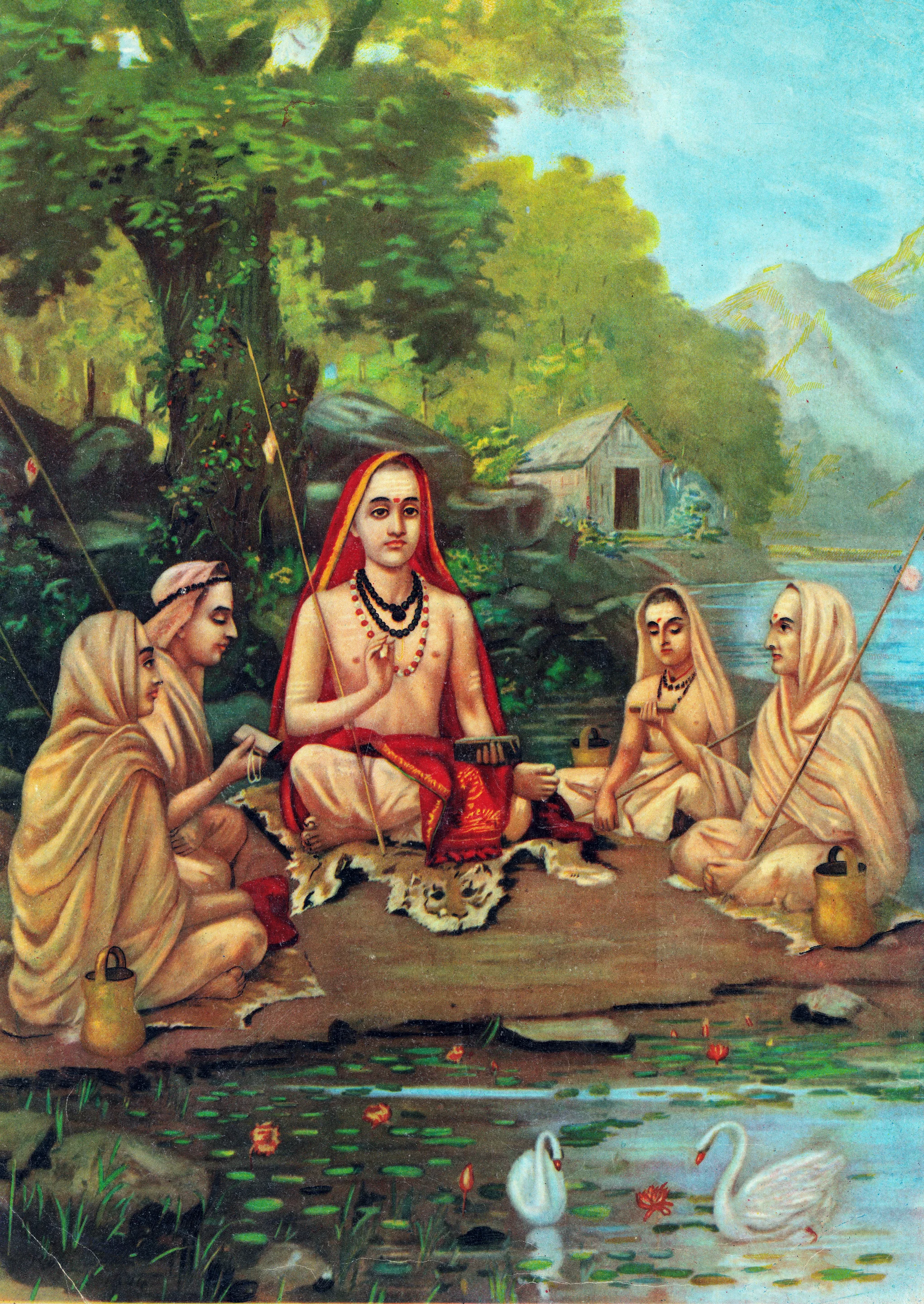
In the words of Pranav Ashar
How we renderContents
Chapter 5: Sutra 1.1.4: but that, because it is their purport
But is scripture not about action?
कथं पुनर्ब्रह्मणः सास्त्रप्रमाणकत्वमुच्यते, यावता, ’ आम्नायस्य क्रियार्थत्वादानर्थक्यमतदर्थानाम्’ । (जै.सू. १.२.१) इति क्रियापरत्वं शास्त्रस्य प्रदर्शितिम् । अतो वेदान्तानामानर्थक्यं, अक्रियार्थत्वात् । कर्तृदेवतादिप्रकाशनार्थत्वेन वा क्रियाविधिशेषत्वं, उपासनादिक्रियान्तविधानार्थत्वं वा । नहि परिनिष्ठितवस्तुप्रतिपादनं संभवति, प्रत्यक्षादिविषयत्वात्परिनिष्ठितवस्तुनः । तत्प्रतिपादने च हेयोपादेयरहिते पुरुषार्थाभावात् । अत एव ‘सो ऽरोदीत्’ इत्येवमादिनामानर्थक्यं मा भूदिति ‘विधिना त्वेकवाक्यत्वात्स्तुत्यर्थेन विधिना स्युः’ । (जै.सू. १.२.७) इति स्तावकत्वेनार्थवत्त्वमुक्तम् । मन्त्राणां च ‘इषे त्वा’ इत्यादीनां क्रियातत्साधनाभिधायित्वेन कर्मसमवायित्वमुक्तम् । न क्वचिदपि वेदवाक्यानां विधिसंस्पर्शमन्तरेणार्थवत्ता दृष्टोपपन्ना वा । न च परिनिष्ठिते वस्तुस्वरूपे विधिः संभवति, क्रियाविषयत्वाद्विधेः । तस्मात्कर्मापेक्षितकर्तृस्वरूपदेवतादिप्रकाशनेन क्रियाविधिशेषत्वं वेदान्तानाम् । अथ प्रकरणान्तरभयान्नैतदभ्युपगम्यते तथापि स्ववाक्यगतोपासनादिकर्मपरत्वम् । तसामान्न ब्रह्मणः शास्त्रयोनित्वमिति प्राप्ते उच्यते-
kathaṃ punarbrahmaṇaḥ sāstrapramāṇakatvamucyate, yāvatā, ' āmnāyasya kriyārthatvādānarthakyamatadarthānām' / (jai.sū. 1.2.1) iti kriyāparatvaṃ śāstrasya pradarśitim / ato vedāntānāmānarthakyaṃ, akriyārthatvāt / kartṛdevatādiprakāśanārthatvena vā kriyāvidhiśeṣatvaṃ, upāsanādikriyāntavidhānārthatvaṃ vā / nahi pariniṣṭhitavastupratipādanaṃ saṃbhavati, pratyakṣādiviṣayatvātpariniṣṭhitavastunaḥ / tatpratipādane ca heyopādeyarahite puruṣārthābhāvāt / ata eva 'so 'rodīt' ityevamādināmānarthakyaṃ mā bhūditi 'vidhinā tvekavākyatvātstutyarthena vidhinā syuḥ' / (jai.sū. 1.2.7) iti stāvakatvenārthavattvamuktam / mantrāṇāṃ ca 'iṣe tvā' ityādīnāṃ kriyātatsādhanābhidhāyitvena karmasamavāyitvamuktam / na kvacidapi vedavākyānāṃ vidhisaṃsparśamantareṇārthavattā dṛṣṭopapannā vā / na ca pariniṣṭhite vastusvarūpe vidhiḥ saṃbhavati, kriyāviṣayatvādvidheḥ / tasmātkarmāpekṣitakartṛsvarūpadevatādiprakāśanena kriyāvidhiśeṣatvaṃ vedāntānām / atha prakaraṇāntarabhayānnaitadabhyupagamyate tathāpi svavākyagatopāsanādikarmaparatvam / tasāmānna brahmaṇaḥ śāstrayonitvamiti prāpte ucyate-
But how can scripture be the means of knowing Brahman? It has been shown that scripture is about action: 'Since the Veda's purpose is action, passages without that purpose are pointless' (Jaimini 1.2.1). So the Upanishads, which are not about action, would be pointless. Or, if they mean anything, they either supplement commands to act, by telling about the doer, the god or the result, or they command some new act, such as meditation. The Veda cannot be about the nature of a thing that already exists, because such things fall under perception and the other means of knowing; and if it did describe one, the description would concern nothing to be sought or avoided and would serve no human purpose. That is why passages like 'he wept', which seem pointless, are shown to have a purpose as praise of an act (Jaimini 1.2.7, 'being one sentence with the command, they serve to praise it'); and mantras like 'for strength, you' are shown to belong to an act by naming the act or its means. Nowhere is a Vedic sentence seen or shown to have meaning except in touch with a command; and a command cannot be about the nature of an existing thing, since a command is about action. So the Upanishads supplement commands by telling about the doer, the god and the rest that action needs. Or, if that is refused because it brings in a subject foreign to them, they are about meditation and similar acts named in their own sentences. Either way, scripture is not the source of knowledge of Brahman. To this the author replies:
Note //
The view answered here is the Mimamsa school's, for which the Veda is essentially a set of commands. Shankara takes it seriously because it is the strongest objection to a teaching that only tells what is.
But that, because it is their purport
तत् तु समन्वयात्
tat tu samanvayāt
But that, because it is what they are all about.
Note //
Samanvaya, 'connection' or 'harmony': all the Upanishads, read rightly, have Brahman as their single purport. The site's own claim that the Upanishads teach the whole rests on this sutra.
All the Upanishads point to it
तु शब्दः पूर्वपक्षव्यावृत्त्यर्थः । तद्ब्रह्म सर्वज्ञं सर्वशक्ति जगदुत्पत्ति स्थितिलयकारणं वेदान्तशास्त्रादेवावगम्यते । कथम्, समन्वयात् । सर्वेषु हि वेदान्तेषु वाक्यानि तात्पर्येणैतस्यार्थस्य प्रतिपादकत्वेन समनुगतानि । ‘सदेव सोम्येदमग्र आसीत्’ । ‘एकमेवाद्वितीयम्’ । (छान्दो. ६.२.१) ‘आत्मावा इदमेक एवाग्र आसीत्’ । (ऐत. २.१.१.१) ‘तदेतद्ब्रह्मापूर्वमनपरमनन्तरमबाह्यम्’ । ‘अयमात्मा ब्रह्म सर्वानुभूः’ । (बृह. २.५.१९) ‘ब्रह्मैवेदममृतं पुरस्तात्’ । (मुण्ड. २.२.११) इत्यादीनि । नच तद्गतानां पदानां ब्रह्मस्वरूपविषये निश्चिते समन्वये ऽवगम्यमाने ऽर्थान्तरकल्पना युक्ता, श्रुतहान्यश्रुतकल्पनाप्रसङ्गात् । नच तेषां कर्तृ⟨देवतादि⟩स्वरूपप्रतिपादनपरतावसीयते, ‘तत्केन कं पश्येत्’ (बृह. २.४.१३) इत्यादि क्रियाकारकफलनिरीकरणश्रुतेः । नच परिनिष्ठितवस्तुस्वरूपत्वे ऽपि प्रत्यक्षादिविषयत्वं ब्रह्मणः, ‘तत्त्वमसि’ (छान्दो. ६.८.७) इति ब्रह्मात्मभावस्य शास्त्रमन्तरेणानवगम्यमानत्वात् । यत्तु हेयोपादेयरहितत्वादुपदेशानर्थक्यमिति, नैष दोषः, हेयोपादेयाशून्यब्रह्मात्मतावगमादेव सर्वक्लेशप्राहाणात्पुरुषार्थसिद्धेः । देवतादिप्रतिपादनस्य तु स्ववाक्यगतोपासनार्थत्वे ऽपि न कश्चिद्विरोधः । नतु तथा ब्रह्मण उपासनाविधिशेषित्वं संभवति, एकत्वे हेयोपादेयाशून्यतया क्रियाकारकादिद्वैतविज्ञानोपमर्दोपपत्तेः । नह्येकत्वविज्ञानेनोन्मथितस्य द्वैतविज्ञानस्य पुनः संभवो ऽस्ति, येनोपासनाविधिशेषित्वं ब्रह्मणः प्रतिपद्येत । यद्यप्यन्यत्र वेदवाक्यानां विधिसंस्पर्शमन्तरेण प्रमाणत्वं न दृष्टं, तथाप्यात्मविज्ञानस्य फलपर्यन्तत्वान्न तद्विषयस्य शास्त्रस्य प्रामाण्यं शक्यं प्रत्याख्यातुम् । न चानुमानगम्यं शास्त्रप्रामाण्यं, येनान्यत्र दृष्टं निदर्शनमपेक्षेत । तस्मात्सिद्धं ब्रह्मणः शास्त्रप्रमाणकत्वम् ।
tu śabdaḥ pūrvapakṣavyāvṛttyarthaḥ / tadbrahma sarvajñaṃ sarvaśakti jagadutpatti sthitilayakāraṇaṃ vedāntaśāstrādevāvagamyate / katham, samanvayāt / sarveṣu hi vedānteṣu vākyāni tātparyeṇaitasyārthasya pratipādakatvena samanugatāni / 'sadeva somyedamagra āsīt' / 'ekamevādvitīyam' / (chāndo. 6.2.1) 'ātmāvā idameka evāgra āsīt' / (aita. 2.1.1.1) 'tadetadbrahmāpūrvamanaparamanantaramabāhyam' / 'ayamātmā brahma sarvānubhūḥ' / (bṛha. 2.5.19) 'brahmaivedamamṛtaṃ purastāt' / (muṇḍa. 2.2.11) ityādīni / naca tadgatānāṃ padānāṃ brahmasvarūpaviṣaye niścite samanvaye 'vagamyamāne 'rthāntarakalpanā yuktā, śrutahānyaśrutakalpanāprasaṅgāt / naca teṣāṃ kartṛ⟨devatādi⟩svarūpapratipādanaparatāvasīyate, 'tatkena kaṃ paśyet' (bṛha. 2.4.13) ityādi kriyākārakaphalanirīkaraṇaśruteḥ / naca pariniṣṭhitavastusvarūpatve 'pi pratyakṣādiviṣayatvaṃ brahmaṇaḥ, 'tattvamasi' (chāndo. 6.8.7) iti brahmātmabhāvasya śāstramantareṇānavagamyamānatvāt / yattu heyopādeyarahitatvādupadeśānarthakyamiti, naiṣa doṣaḥ, heyopādeyāśūnyabrahmātmatāvagamādeva sarvakleśaprāhāṇātpuruṣārthasiddheḥ / devatādipratipādanasya tu svavākyagatopāsanārthatve 'pi na kaścidvirodhaḥ / natu tathā brahmaṇa upāsanāvidhiśeṣitvaṃ saṃbhavati, ekatve heyopādeyāśūnyatayā kriyākārakādidvaitavijñānopamardopapatteḥ / nahyekatvavijñānenonmathitasya dvaitavijñānasya punaḥ saṃbhavo 'sti, yenopāsanāvidhiśeṣitvaṃ brahmaṇaḥ pratipadyeta / yadyapyanyatra vedavākyānāṃ vidhisaṃsparśamantareṇa pramāṇatvaṃ na dṛṣṭaṃ, tathāpyātmavijñānasya phalaparyantatvānna tadviṣayasya śāstrasya prāmāṇyaṃ śakyaṃ pratyākhyātum / na cānumānagamyaṃ śāstraprāmāṇyaṃ, yenānyatra dṛṣṭaṃ nidarśanamapekṣeta / tasmātsiddhaṃ brahmaṇaḥ śāstrapramāṇakatvam /
'But' sets the objection aside. That Brahman, all-knowing, all-powerful, cause of the world's birth, staying and dissolving, is known from the Upanishads alone. How? Because they all point to it. In all the Upanishads the sentences hang together in having this as their meaning: 'In the beginning, dear one, this was being alone, one without a second' (Chandogya 6.2.1); 'In the beginning this was the Self alone, one' (Aitareya 1.1.1); 'This is Brahman, with nothing before and nothing after, nothing inside and nothing outside; this Self is Brahman, knowing all' (Brihadaranyaka 2.5.19); 'This immortal Brahman is in front' (Mundaka 2.2.11), and so on. Once the words of these passages are settled as being about Brahman's nature, it is wrong to imagine another sense: that would give up what the text says for what it does not. Nor are they about the nature of a doer, since some passages rule out action, means and result altogether: 'Then by what, and whom, should one see?' (Brihadaranyaka 2.4.13). And though Brahman is something that already is, it is not an object of perception and the rest: that Brahman is one's own Self cannot be known without scripture, 'You are that' (Chandogya 6.8.7). Nor is teaching pointless because there is nothing to seek or avoid: simply from knowing oneself as Brahman, which is neither to be sought nor avoided, all trouble ends and the human aim is reached. That passages about gods and the like serve meditations in their own chapters, we grant. But Brahman cannot be a supplement to a command to meditate: once oneness is known there is nothing to seek or avoid, and the knowledge of two, of acts, agents and the rest, is crushed. Duality once uprooted by the knowledge of oneness does not rise again to make Brahman part of a command to meditate. Elsewhere Vedic sentences may be valid only in touch with a command; but the teaching about the Self has its result in itself, so its validity cannot be denied. Nor is scripture's validity a matter of inference, needing an example from elsewhere. So it is settled that scripture is the means of knowing Brahman.
Note //
The central argument of the catuhsutri: knowledge of the Self needs no command because its result is itself. 'Duality once uprooted does not rise again' is the site's position 7, read as ending the covering; the world goes on appearing, the confinement does not return.
A second objection: Brahman as the object of a command to meditate
अत्रापरे प्रत्यवतिष्ठन्ते- यद्यपि शास्त्रप्रमाणकं ब्रह्म तथापि प्रतिपत्तिविधिविषयतैव शास्त्रेण ब्रह्म समर्प्यते । यथा यूपाहवहनीयादीन्यलौकिकान्यपि विधिशेषतया शास्त्रेण समर्प्यन्ते तद्वत् । कुत एतत् । प्रवृत्तिनिवृत्तिप्रयोजनत्वाच्छास्त्रस्य । तथाहि शास्त्रतात्पर्यविद आहुः- ‘दृष्टो हि तस्यार्थः कर्मावबोधनम्’ इति । ‘चोदनेति क्रियायाः प्रवर्तकं वचनम्’ । ‘तस्य ज्ञानमुपदेशः’- (जै.सू. १.१.५) ‘तद्भूतानां क्रियार्थेन समाम्नायः’- (जै.सू. १.१.२५) ‘आम्नायस्य क्रियार्थत्वादानर्थक्यमतदर्थानाम्-’ (जै.सू. १.२.१) इतिच । अतः पुरुषं क्वचिद्विषयविशेषे प्रवर्तयत्कुतश्चिद्विषयविशेषान्निवर्तयच्चार्थवच्छास्त्रम् । तच्छेषतया चान्यदुपयुक्तम् । तत्सामान्याद्वेदान्तानामपि तथैवार्थवत्त्वं स्यात् । सति च विधिपरत्वे यथा स्वर्गादिकामस्याग्निहोत्रादिसाधनं विधीयत एवममृतत्वकामस्य ब्रह्मज्ञानं विधीयत इति युक्तम् । नन्विह जिज्ञास्यवैलक्षण्यमुक्तम्- कर्मकाण्डे भव्यो धर्मो जिज्ञास्य इह तु भूतं नित्यनिवृत्तं ब्रह्म जिज्ञास्यमिति । तत्र धर्मज्ञानफलादनुष्ठानापेक्षाद्विलक्षणं ब्रह्मज्ञानफलं भवितुमर्हति । नार्हत्येवं भवितुम् । कार्यविधिप्रयुक्तस्यैव ब्रह्मणः प्रतिपाद्यमानत्वात् । ‘आत्मा वा अरे द्रष्टव्यः’ (बृह. २.४.५) इति । ‘य आत्मापहतपाप्मा-सो ऽन्वेष्टव्यः स विजिज्ञासितव्यः’ (छान्दो. ८.७.१) ‘आत्मेत्येवोपासीत’ (बृह.१.४.७) ‘आत्मानमेव लोकमुपासत’ (बृह. १.४.१५) । ‘ब्रह्म वेद ब्रह्मैव भवति’ (मुण्ड. ३.२.९) इत्यादिविधानेषु सत्सु को ऽसावात्मा किं तद्ब्रह्म इत्याकाङ्क्षायां तत्स्वरूपसमर्पणेन सर्वे वेदान्ता उपयुक्ताः- ‘नित्यः सर्वज्ञः सर्वगतो नित्यतृप्तो नित्यशुद्धबुद्धमुक्तस्वभावो विज्ञानमानन्दं ब्रह्म’ इत्येवमादयः । तदुपासनाच्च शास्त्रदृष्टो ऽपि मोक्षः फलं भविष्यतीति । कर्तव्यविध्यननुप्रवेशे वस्तुमात्रकथने हानोपादानासंभवात्, सप्तद्वीपा वसुमती, राजासौ गच्छतीत्यादिवाक्यवद्वेदान्तवाक्यानामानर्थक्यमेव स्यात् । ननु वस्तुमात्रकथने ऽपि रज्जुरियं नायं सर्प इत्यादौ भ्रान्तिजनितभीतिनिवर्तनेनार्थवत्त्वं दृष्टं तथेहाप्यसंसार्यात्मवस्तुकथनेन संसारित्वभ्रान्तिनिवर्तनेनार्थवत्त्वं स्यात् । स्यादेतदेवं, यदि रज्जुस्वरूपश्रवण इव सर्पभ्रान्तिः, संसारित्वभ्रान्तिर्ब्रह्मस्वरूपश्रवणमात्रेण निवर्तेत । नतु निवर्तते, श्रुतब्रह्मणो ऽपि यथापूर्वं सुखदुःखादिसंसारिधर्मदर्शनात्, ‘श्रोतव्यो मन्तव्यो निदिध्यासितव्यः’ (बृह. २.४.५) इति च श्रवणोत्तरकालयोर्मनननिदिध्यासनयोर्विधिदर्शनात् । तस्मात्प्रतिपत्तिविधिविषयतयैव शास्त्रप्रमाणकं ब्रह्माभ्युपगन्तव्यमिति ।
atrāpare pratyavatiṣṭhante- yadyapi śāstrapramāṇakaṃ brahma tathāpi pratipattividhiviṣayataiva śāstreṇa brahma samarpyate / yathā yūpāhavahanīyādīnyalaukikānyapi vidhiśeṣatayā śāstreṇa samarpyante tadvat / kuta etat / pravṛttinivṛttiprayojanatvācchāstrasya / tathāhi śāstratātparyavida āhuḥ- 'dṛṣṭo hi tasyārthaḥ karmāvabodhanam' iti / 'codaneti kriyāyāḥ pravartakaṃ vacanam' / 'tasya jñānamupadeśaḥ'- (jai.sū. 1.1.5) 'tadbhūtānāṃ kriyārthena samāmnāyaḥ'- (jai.sū. 1.1.25) 'āmnāyasya kriyārthatvādānarthakyamatadarthānām-' (jai.sū. 1.2.1) itica / ataḥ puruṣaṃ kvacidviṣayaviśeṣe pravartayatkutaścidviṣayaviśeṣānnivartayaccārthavacchāstram / taccheṣatayā cānyadupayuktam / tatsāmānyādvedāntānāmapi tathaivārthavattvaṃ syāt / sati ca vidhiparatve yathā svargādikāmasyāgnihotrādisādhanaṃ vidhīyata evamamṛtatvakāmasya brahmajñānaṃ vidhīyata iti yuktam / nanviha jijñāsyavailakṣaṇyamuktam- karmakāṇḍe bhavyo dharmo jijñāsya iha tu bhūtaṃ nityanivṛttaṃ brahma jijñāsyamiti / tatra dharmajñānaphalādanuṣṭhānāpekṣādvilakṣaṇaṃ brahmajñānaphalaṃ bhavitumarhati / nārhatyevaṃ bhavitum / kāryavidhiprayuktasyaiva brahmaṇaḥ pratipādyamānatvāt / 'ātmā vā are draṣṭavyaḥ' (bṛha. 2.4.5) iti / 'ya ātmāpahatapāpmā-so 'nveṣṭavyaḥ sa vijijñāsitavyaḥ' (chāndo. 8.7.1) 'ātmetyevopāsīta' (bṛha.1.4.7) 'ātmānameva lokamupāsata' (bṛha. 1.4.15) / 'brahma veda brahmaiva bhavati' (muṇḍa. 3.2.9) ityādividhāneṣu satsu ko 'sāvātmā kiṃ tadbrahma ityākāṅkṣāyāṃ tatsvarūpasamarpaṇena sarve vedāntā upayuktāḥ- 'nityaḥ sarvajñaḥ sarvagato nityatṛpto nityaśuddhabuddhamuktasvabhāvo vijñānamānandaṃ brahma' ityevamādayaḥ / tadupāsanācca śāstradṛṣṭo 'pi mokṣaḥ phalaṃ bhaviṣyatīti / kartavyavidhyananupraveśe vastumātrakathane hānopādānāsaṃbhavāt, saptadvīpā vasumatī, rājāsau gacchatītyādivākyavadvedāntavākyānāmānarthakyameva syāt / nanu vastumātrakathane 'pi rajjuriyaṃ nāyaṃ sarpa ityādau bhrāntijanitabhītinivartanenārthavattvaṃ dṛṣṭaṃ tathehāpyasaṃsāryātmavastukathanena saṃsāritvabhrāntinivartanenārthavattvaṃ syāt / syādetadevaṃ, yadi rajjusvarūpaśravaṇa iva sarpabhrāntiḥ, saṃsāritvabhrāntirbrahmasvarūpaśravaṇamātreṇa nivarteta / natu nivartate, śrutabrahmaṇo 'pi yathāpūrvaṃ sukhaduḥkhādisaṃsāridharmadarśanāt, 'śrotavyo mantavyo nididhyāsitavyaḥ' (bṛha. 2.4.5) iti ca śravaṇottarakālayormanananididhyāsanayorvidhidarśanāt / tasmātpratipattividhiviṣayatayaiva śāstrapramāṇakaṃ brahmābhyupagantavyamiti /
Here others object. Granted that scripture is the means of knowing Brahman, it gives Brahman only as the object of a command to hold it in mind, just as it gives the sacrificial post, the ahavaniya fire and other things unknown in daily life, only as parts of commands. Why? Because scripture exists to set people to act or to stop them. Those who know its purpose say: 'Its seen purpose is to make action known'; 'a command is a sentence that moves one to act'; 'knowledge of duty comes from instruction' (Jaimini 1.1.5); 'words for existing things are to be joined to a sentence about action' (Jaimini 1.1.25); 'since the Veda is about action, what is not about it is pointless' (Jaimini 1.2.1). So scripture has meaning by moving a person to some things and holding him back from others, and the rest is useful as their supplement. The Upanishads, being scripture, mean in the same way; and if they are commands, then as the fire-offering is commanded for one who wants heaven, knowing Brahman is commanded for one who wants immortality. But it was said that what is inquired into differs: in the part on ritual, duty, which is still to be; here Brahman, which already is, ever complete. So the fruit of knowing Brahman should differ from the fruit of knowing duty, which depends on doing. It cannot differ, says the objector, because the Upanishads present Brahman only as tied to commands to act. There are commands: 'The Self is to be seen' (Brihadaranyaka 2.4.5); 'The Self free from evil is to be sought, to be wished to be known' (Chandogya 8.7.1); 'One should hold it in mind as the Self' (Brihadaranyaka 1.4.7); 'One should hold in mind the Self alone as one's world' (Brihadaranyaka 1.4.15); 'Whoever knows Brahman becomes Brahman' (Mundaka 3.2.9). These make one ask: what is this Self, what is Brahman? All the Upanishads serve to answer, by telling its nature: eternal, all-knowing, everywhere, ever content, ever pure, awake and free, knowing, full of joy. And from meditating on it comes freedom, a result known from scripture though not seen. If the Upanishads were not tied to commands but only described things, like 'the earth has seven continents' or 'there goes the king', they would be pointless, since nothing could be sought or avoided. You may say that describing a thing can have a point by itself: 'this is a rope, not a snake' removes the fear born of a mistake; so the Upanishads, describing the Self that is not caught in the round, would have a point in removing the mistake that one is caught in it. That would be so if, as hearing what the rope is removes the snake, merely hearing what Brahman is removed the mistake of being caught in the round. But it does not: those who have heard about Brahman are seen to feel pleasure and pain as before. And the Brihadaranyaka (2.4.5) commands reflecting and dwelling on it after hearing. So Brahman must be accepted as known from scripture only as the object of a command to hold it in mind.
Note //
The strongest objection in the section, and an honest one: people who have heard 'you are that' still suffer. Shankara's answer comes in the next units and at the end (1.1.4.h): the one who still suffers has not yet understood. The site holds the same (positions 7 and 9).
Freedom is not the result of any action
अत्राभिधीयते- न । कर्मब्रह्मविद्याफलयोर्वैलक्षण्यात् । शारीरं वाचिकं मानसं च कर्म श्रुतिस्मृतिसिद्धं धर्माख्यं, यद्विषया जिज्ञासा ‘अथातो धर्मजिज्ञासा’ (जै.सू. १.१.१) इति सूत्रिता, अधर्मो ऽपि हिंसादिः प्रतिषेधचोदनालक्षणत्वाज्जिज्ञास्यः परिहाराय । तयोश्चोदनालक्षणयोरर्थानर्थयोर्धर्माधर्मयोः फले प्रत्यक्षे सुखदुःखे शरीरवाङ्मनोभिरेवोपभुज्यमाने विषयेन्द्रियसंयोगजन्ये ब्रह्मादिषु स्थावरान्तेषु प्रसिद्धे । मनुष्यत्वादारभ्य ब्रह्मान्तेषु देहवत्सु सुखतारतम्यमनुश्रूयते । ततश्च तद्धेतोर्धर्मस्य तारतम्यं गम्यते । धर्मतारतम्यादधिकारितारतम्यम् । प्रसिद्धं चार्थित्वसामर्थ्यादिकृतमधिकारितारतम्यम् । तथाच यागाद्यनुष्ठायिनामेव विद्यासमाधिविशेषादुत्तरेण पथा गमनं, केवलैरिष्टापूर्तदत्तसाधनैर्धूमादिक्रमेण दक्षिणेन पथा गमनं, तत्रापि सुखतारतम्यं तत्साधनतारतम्यं च शास्त्रात् ‘यावत्संपातमुषित्वा’ (छान्दो. ५.१०.५) इत्यस्माद्गम्यते । तथा मनुष्यादिषु नारकस्थावरान्तेषु सुखलवश्चोदनालक्षणधर्मसाध्य एवेति गम्यते तारतम्येन वर्तमानः । तथोर्ध्वगतेष्वधोगतेषु च देहवत्सु दुःखतारतम्यदर्शनात्तद्धेतोरधर्मस्य प्रतिषेधचोदनालक्षणस्य तदनुष्ठायिनां च तारतम्ये गम्यते । एवमविद्यादिदोषवतां धर्माधर्मतारतम्यनिमित्तं शरीरोपादानपूर्वकं सुखदुःखतारतम्यनिमित्तं संसाररूपं श्रुतिस्मृतिन्यायप्रसिद्धम् । तथाच श्रुतिः- ‘न ह वै सशरीरस्य सतः प्रियाप्रिययोरपहतिरस्ति’ इति यथावर्णितं संसाररूपमनुवदति । अशरीरं वाव सन्तं न प्रियाप्रिये स्पृशतः’ (छान्दो. ८.१२.१) इति प्रियाप्रियस्पर्शनप्रतिषेधाच्चोदनालक्षणधर्मकार्यत्वं मोक्षाख्यस्याशरीरत्वस्य प्रतिषिध्यत इति गम्यते । धर्मकार्यत्वे हि प्रियाप्रियस्पर्शनप्रतिषेधो नोपपद्यते । अशरीरत्वमेव धर्मकार्यमितिचेन्न, तस्य स्वाभाविकत्वात् । ‘अशरीरं शरीरेष्वनवस्थेष्ववस्थितम् । महान्तं विभुमात्मानं मत्वा धीरो न शोचति’ (काठ. १.२.२१) ‘अप्राणो ह्यमनाः शुभ्रः’ (मुण्ड. २.१.२) ‘असङ्गो ह्ययं पुरुषः’ (बृह. ४.३.१५) इत्यादिश्रुतिभ्यः । अत एवानुष्ठेयकर्मफलविलक्षणं मोक्षाख्यमशरीरत्वं नित्यमिति सिद्धम् । तत्र किञ्चित्परिणामि नित्यं यस्मिन्विक्रियमाणे ऽपि तदेवेदमिति बुद्धिर्न विहन्यते । यथा पृथिव्यादिजगन्नित्यत्ववादिनाम् । यथा च सांख्यानां गुणाः । इदं तु पारमार्थिकं, कूटस्थनित्यं, व्योमवत्सर्वव्यापि, सर्वविक्रियारहितं, नित्यतृप्तं, निरवयवं, स्वयञ्ज्योतिःस्वभावम् । यत्र धर्माधर्मौ सह कार्येण कालत्रयं च नोपावर्तेते । तदशरीरत्वं मोक्षाख्यम् । ‘अन्यत्र धर्मादन्यत्राधर्मादन्यत्रास्मात्कृताकृतात् । अन्यत्र भूताच्च भव्याच्च’ (क. २.१४) इत्यादिश्रुतिभ्यः । अतस्तद्ब्रह्म यस्येयं जिज्ञासा प्रस्तुता, तद्यदि कर्तव्यशेषत्वेनोपदिश्येत, तेन च कर्तव्येन साध्यश्चेन्मोक्षो ऽभ्युपगम्येत, अनित्य एव स्यात् । तत्रैवं सति यथोक्तकर्मफलेष्वेव तारतम्यावस्थितेष्वनित्येषु कश्चिदतिशयो मोक्ष इति प्रसज्येत, नित्यश्च मोक्षः सर्वैर्मोक्षवादिभिरभ्युपगम्यते, अतो न कर्तव्यशेषत्वेन ब्रह्मोपदेशो युक्तः ।
atrābhidhīyate- na / karmabrahmavidyāphalayorvailakṣaṇyāt / śārīraṃ vācikaṃ mānasaṃ ca karma śrutismṛtisiddhaṃ dharmākhyaṃ, yadviṣayā jijñāsā 'athāto dharmajijñāsā' (jai.sū. 1.1.1) iti sūtritā, adharmo 'pi hiṃsādiḥ pratiṣedhacodanālakṣaṇatvājjijñāsyaḥ parihārāya / tayoścodanālakṣaṇayorarthānarthayordharmādharmayoḥ phale pratyakṣe sukhaduḥkhe śarīravāṅmanobhirevopabhujyamāne viṣayendriyasaṃyogajanye brahmādiṣu sthāvarānteṣu prasiddhe / manuṣyatvādārabhya brahmānteṣu dehavatsu sukhatāratamyamanuśrūyate / tataśca taddhetordharmasya tāratamyaṃ gamyate / dharmatāratamyādadhikāritāratamyam / prasiddhaṃ cārthitvasāmarthyādikṛtamadhikāritāratamyam / tathāca yāgādyanuṣṭhāyināmeva vidyāsamādhiviśeṣāduttareṇa pathā gamanaṃ, kevalairiṣṭāpūrtadattasādhanairdhūmādikrameṇa dakṣiṇena pathā gamanaṃ, tatrāpi sukhatāratamyaṃ tatsādhanatāratamyaṃ ca śāstrāt 'yāvatsaṃpātamuṣitvā' (chāndo. 5.10.5) ityasmādgamyate / tathā manuṣyādiṣu nārakasthāvarānteṣu sukhalavaścodanālakṣaṇadharmasādhya eveti gamyate tāratamyena vartamānaḥ / tathordhvagateṣvadhogateṣu ca dehavatsu duḥkhatāratamyadarśanāttaddhetoradharmasya pratiṣedhacodanālakṣaṇasya tadanuṣṭhāyināṃ ca tāratamye gamyate / evamavidyādidoṣavatāṃ dharmādharmatāratamyanimittaṃ śarīropādānapūrvakaṃ sukhaduḥkhatāratamyanimittaṃ saṃsārarūpaṃ śrutismṛtinyāyaprasiddham / tathāca śrutiḥ- 'na ha vai saśarīrasya sataḥ priyāpriyayorapahatirasti' iti yathāvarṇitaṃ saṃsārarūpamanuvadati / aśarīraṃ vāva santaṃ na priyāpriye spṛśataḥ' (chāndo. 8.12.1) iti priyāpriyasparśanapratiṣedhāccodanālakṣaṇadharmakāryatvaṃ mokṣākhyasyāśarīratvasya pratiṣidhyata iti gamyate / dharmakāryatve hi priyāpriyasparśanapratiṣedho nopapadyate / aśarīratvameva dharmakāryamiticenna, tasya svābhāvikatvāt / 'aśarīraṃ śarīreṣvanavastheṣvavasthitam / mahāntaṃ vibhumātmānaṃ matvā dhīro na śocati' (kāṭha. 1.2.21) 'aprāṇo hyamanāḥ śubhraḥ' (muṇḍa. 2.1.2) 'asaṅgo hyayaṃ puruṣaḥ' (bṛha. 4.3.15) ityādiśrutibhyaḥ / ata evānuṣṭheyakarmaphalavilakṣaṇaṃ mokṣākhyamaśarīratvaṃ nityamiti siddham / tatra kiñcitpariṇāmi nityaṃ yasminvikriyamāṇe 'pi tadevedamiti buddhirna vihanyate / yathā pṛthivyādijagannityatvavādinām / yathā ca sāṃkhyānāṃ guṇāḥ / idaṃ tu pāramārthikaṃ, kūṭasthanityaṃ, vyomavatsarvavyāpi, sarvavikriyārahitaṃ, nityatṛptaṃ, niravayavaṃ, svayañjyotiḥsvabhāvam / yatra dharmādharmau saha kāryeṇa kālatrayaṃ ca nopāvartete / tadaśarīratvaṃ mokṣākhyam / 'anyatra dharmādanyatrādharmādanyatrāsmātkṛtākṛtāt / anyatra bhūtācca bhavyācca' (ka. 2.14) ityādiśrutibhyaḥ / atastadbrahma yasyeyaṃ jijñāsā prastutā, tadyadi kartavyaśeṣatvenopadiśyeta, tena ca kartavyena sādhyaścenmokṣo 'bhyupagamyeta, anitya eva syāt / tatraivaṃ sati yathoktakarmaphaleṣveva tāratamyāvasthiteṣvanityeṣu kaścidatiśayo mokṣa iti prasajyeta, nityaśca mokṣaḥ sarvairmokṣavādibhirabhyupagamyate, ato na kartavyaśeṣatvena brahmopadeśo yuktaḥ /
We reply: no, because the fruit of action and the fruit of knowing Brahman are different in kind. Action by body, speech and mind, known from scripture and tradition and called dharma, is what Jaimini's sutra 'Then, therefore, the inquiry into duty' inquires into; and its opposite, harming and the like, defined by prohibitions, is inquired into so as to avoid it. The fruits of these two, good and bad as the Veda defines them, are plainly pleasure and pain, felt only through body, speech and mind, born of the senses meeting their objects, and found in all beings from Brahma down to a blade of grass. Scripture tells of degrees of happiness among embodied beings from humans up to Brahma; from that we infer degrees of the merit that causes it, and degrees among those qualified to act, which depend on desire, capacity and the like. Scripture also says that those who sacrifice, by the excellence of their knowledge and meditation, go by the northern path, while those who only make offerings, do public works and give alms go by smoke and the rest along the southern path, and that there too there are degrees of happiness and its means: 'having stayed as long as their merit lasts' (Chandogya 5.10.5). In the same way, the small share of happiness among humans and below, down to beings in hell and plants, comes from merit as the Veda defines it, in degrees; and the degrees of pain among higher and lower beings point to degrees of demerit and of those who do it. So the round of birth and death, which comes from taking on bodies, rests on degrees of merit and demerit in those with faults such as , and brings degrees of pleasure and pain: impermanent, as scripture, tradition and reason all show. 'While embodied, one is not free from the pleasant and the unpleasant' describes it. But 'when bodiless, the pleasant and unpleasant do not touch one' (Chandogya 8.12.1) denies that the bodiless state called freedom is a product of dharma; if it were, being touched by pleasure and pain could not be denied. Is being bodiless itself the product of dharma? No: it is one's nature. 'The wise one who knows the Self as bodiless among bodies, unchanging among the changing, great and everywhere, does not grieve' (Katha 1.2.22); 'without breath, without mind, pure' (Mundaka 2.1.2); 'this person is unattached' (Brihadaranyaka 4.3.15). So freedom, bodilessness, is unlike the fruit of any action, and eternal. Some eternal things change: the idea 'this is the same thing' survives their changes, as with earth and the elements for those who hold the world eternal, or the three gunas for the Samkhyas. This is eternal in the highest sense: , everywhere like space, free of all change, ever content, without parts, shining by itself. Merit and demerit with their results, and the three times, do not touch it. That bodilessness is called freedom, as scripture says: 'other than right and wrong, other than what is done and not done, other than past and future' (Katha 1.2.14). So it is Brahman, the very thing this inquiry is about. If Brahman were taught as part of something to be done, and freedom were the result of that doing, freedom would be impermanent, just the best among the graded, impermanent fruits of action. But everyone who speaks of freedom holds that it is eternal; so Brahman is not taught as part of something to be done.
Note //
The decisive argument against the objection: whatever is produced ends; freedom does not end; so freedom is not produced. 'Changeless as an anvil' renders kutastha, the smith's anvil that stays while everything is hammered on it. The site holds this as position 1: the whole has no act and nothing to gain.
Knowing and freedom are one moment
अपिच ‘ब्रह्म वेद ब्रह्मैव भवति’ (मुण्ड. ३.२.९) ‘क्षीयन्ते चास्य कर्माणि तस्मिन्दृष्टे परावरे’ (मुण्ड. २.२.८) । ‘आनन्दं ब्रह्मणो विद्वान् । न बिभेति कुतश्चन’ (तैत्ति. २.९) । ‘अभयं वै जनक प्राप्तो ऽसि’ (बृह. ४.२.४) ‘तदात्मानमेवावेदहं ब्रह्मास्मीति तस्मात्तत्सर्वमभवत्’ । (वाजसनेयब्राह्मणोप. १.४.१०) ‘तत्र को मोहः कः शोक एकत्वमनुपश्यतः’ (ईशा. ७) इत्येवमाद्याः श्रुतयो ब्रह्मविद्यानन्तरं मोक्षं दर्शयन्त्यो मध्ये कार्यान्तरं वारयन्ति । तथा ‘तद्वैतत्पश्यन्नृषिर्वामदेवः प्रतिपेदे ऽहं मनुरभवं सूर्यश्च’ (बृह. १.४.१०)इति ब्रह्मदर्शनसर्वात्मभावयोर्मध्ये कर्तव्यान्तरवारणायोदाहार्यम् । यथा तिष्ठन्गायतीति तिष्ठतिगायत्योर्मध्ये तत्कर्तृकं कार्यान्तरं नास्तीति गम्यते । ‘त्वं हि नः पिता यो ऽस्माकमविद्यायाः परं पारं तारयसि’ (प्र. ६.८) ‘श्रुतं ह्येव मे भगवद्दृशेभ्यस्तरति शोकमात्मविदिति सो ऽहं भगवः शोचामि तं मा भगवाञ्छोकस्य पारं तारयतु’ (छान्दो. ७.१.३) ‘तस्मै मृदितकषायाय तमसः पारं दर्शयति भगवान्सनत्कुमारः’ (छान्दो. ७.२६.२) इति चैवमाद्याः श्रुतयो मोक्षप्रतिबन्धनिवृत्तिमात्रमेवात्मज्ञानस्य फलं दर्शयन्ति । तथाचार्यप्रणीतं न्यायोपबृंहितं सूत्रम्- ‘दुःखजन्मप्रवृत्तिदोषमिथ्याज्ञानानामुत्तरोत्तरापाये तदनन्तरापायादपवर्गः’ (न्या. सू. १.१.२) इति । मिथ्याज्ञानापायश्च ब्रह्मात्मैकत्वविज्ञानाद्भवति ।
apica 'brahma veda brahmaiva bhavati' (muṇḍa. 3.2.9) 'kṣīyante cāsya karmāṇi tasmindṛṣṭe parāvare' (muṇḍa. 2.2.8) / 'ānandaṃ brahmaṇo vidvān / na bibheti kutaścana' (taitti. 2.9) / 'abhayaṃ vai janaka prāpto 'si' (bṛha. 4.2.4) 'tadātmānamevāvedahaṃ brahmāsmīti tasmāttatsarvamabhavat' / (vājasaneyabrāhmaṇopa. 1.4.10) 'tatra ko mohaḥ kaḥ śoka ekatvamanupaśyataḥ' (īśā. 7) ityevamādyāḥ śrutayo brahmavidyānantaraṃ mokṣaṃ darśayantyo madhye kāryāntaraṃ vārayanti / tathā 'tadvaitatpaśyannṛṣirvāmadevaḥ pratipede 'haṃ manurabhavaṃ sūryaśca' (bṛha. 1.4.10)iti brahmadarśanasarvātmabhāvayormadhye kartavyāntaravāraṇāyodāhāryam / yathā tiṣṭhangāyatīti tiṣṭhatigāyatyormadhye tatkartṛkaṃ kāryāntaraṃ nāstīti gamyate / 'tvaṃ hi naḥ pitā yo 'smākamavidyāyāḥ paraṃ pāraṃ tārayasi' (pra. 6.8) 'śrutaṃ hyeva me bhagavaddṛśebhyastarati śokamātmaviditi so 'haṃ bhagavaḥ śocāmi taṃ mā bhagavāñchokasya pāraṃ tārayatu' (chāndo. 7.1.3) 'tasmai mṛditakaṣāyāya tamasaḥ pāraṃ darśayati bhagavānsanatkumāraḥ' (chāndo. 7.26.2) iti caivamādyāḥ śrutayo mokṣapratibandhanivṛttimātramevātmajñānasya phalaṃ darśayanti / tathācāryapraṇītaṃ nyāyopabṛṃhitaṃ sūtram- 'duḥkhajanmapravṛttidoṣamithyājñānānāmuttarottarāpāye tadanantarāpāyādapavargaḥ' (nyā. sū. 1.1.2) iti / mithyājñānāpāyaśca brahmātmaikatvavijñānādbhavati /
Many passages show freedom coming right upon knowing Brahman, leaving no room for any further act between: 'Whoever knows Brahman becomes Brahman' (Mundaka 3.2.9); 'his works dwindle when he sees the higher and the lower' (Mundaka 2.2.8); 'knowing the joy of Brahman, one fears nothing' (Taittiriya 2.9); 'Janaka, you have reached fearlessness' (Brihadaranyaka 4.2.4); 'It knew itself: I am Brahman; so it became all this' (Brihadaranyaka 1.4.10); 'what delusion, what sorrow, for one who sees oneness?' (Isha 7). And this should be quoted too, to rule out any act between seeing Brahman and being the Self of all: 'seeing this, the seer Vamadeva knew: I was Manu, and the sun' (Brihadaranyaka 1.4.10), just as 'standing, he sings' tells us that the same person does nothing else between standing and singing. Other passages show that the only fruit of knowing the Self is the removal of what blocks freedom: 'You are our father, who carry us across our to the far shore' (Prashna 6.8); 'I have heard from such as you, sir, that one who knows the Self crosses over sorrow; I am in sorrow; take me, sir, across it' (Chandogya 7.1.3); 'to him, whose stains were wiped away, the revered Sanatkumara showed the far side of darkness' (Chandogya 7.26.2). The teacher's sutra, supported by reasoning, says the same: 'freedom comes from the removal of each in turn: pain, birth, activity, fault and false knowledge, each removed when the next is removed' (Nyaya Sutra 1.1.2). And false knowledge is removed by knowing that one's Self and Brahman are one.
Note //
'Standing, he sings' is Shankara's grammatical example: nothing intervenes. Knowing is not a step toward freedom; it is freedom, since what it removes was only a block. The site reads this as positions 6 and 7: the claim falls, and what remains was always so.
Not an imagined likeness, but the fact
नचेदं ब्रह्मात्मैकत्वविज्ञानं संपद्रूपम् । यथा ‘अनन्तं वै मनो ऽनन्ता विश्वेदेवा अनन्तमेव स तेन लोकं जयति’ (बृह. ३.१.९) इति । न चाध्यासरूपम् । यथा ‘मनो ब्रह्मेत्युपासीत’ (छान्दो. ३.१८.१) ‘आदित्यो ब्रह्मेत्यादेशः’ (छान्दो. ३.१९.१) इति च मन आदित्यादिषु ब्रह्मदृष्ट्यध्यासः । नापि विशिष्टक्रियायोगनिमित्तं ‘वायुर्वाव संवर्गः’ ‘प्राणो वाव संवर्गः’ (छान्दो. ४.३.१) इतिवत् । नाप्याज्यावेक्षणादिकर्मवत्कर्माङ्गसंस्काररूपम् । संपदादिरूपे हि ब्रह्मात्मैकत्वविज्ञाने ऽभ्युपगम्यमाने ऽतत्वमसि’ (छान्दो. ६.८.७) ‘अहं ब्रह्मास्मि’ (बृह. १.४.१०) ‘अयमात्मा ब्रह्म’ (बृह. २.५.१९) इत्येवमादीनां वाक्यानां ब्रह्मात्मैकत्ववस्तुप्रतिपादनपरः पदसमन्वयः पीड्येत । ‘भिद्यते हृदयग्रन्थिश्छिद्यन्ते सर्वसंशयाः’ (मुण्ड. २.२.८) इति चैवमादीन्यविद्यानिवृत्तिफलश्रवणान्युपरुध्येरन् । ‘ब्रह्म वेद ब्रह्मैव भवति’ (मुण्ड. ३.२.९) इति चैवमादीनि तद्भावापत्तिवचनानि संपदादिपक्षे न सामञ्जस्येनोपपद्येरन् । तस्मान्न संपदादिरूपं ब्रह्मात्मैकत्वविज्ञानम् । अतो न पुरुषव्यापारतन्त्रा ब्रह्मविद्या । किं तर्हि प्रत्यक्षादिप्रमाणविषयवस्तुज्ञानवद्वस्तुतन्त्रा । एवंभूतस्य ब्रह्मणस्तज् ज्ञानस्य च न कयाचिद्युक्त्या शक्यः कार्यानुप्रवेशः कल्पयितुम् ।
nacedaṃ brahmātmaikatvavijñānaṃ saṃpadrūpam / yathā 'anantaṃ vai mano 'nantā viśvedevā anantameva sa tena lokaṃ jayati' (bṛha. 3.1.9) iti / na cādhyāsarūpam / yathā 'mano brahmetyupāsīta' (chāndo. 3.18.1) 'ādityo brahmetyādeśaḥ' (chāndo. 3.19.1) iti ca mana ādityādiṣu brahmadṛṣṭyadhyāsaḥ / nāpi viśiṣṭakriyāyoganimittaṃ 'vāyurvāva saṃvargaḥ' 'prāṇo vāva saṃvargaḥ' (chāndo. 4.3.1) itivat / nāpyājyāvekṣaṇādikarmavatkarmāṅgasaṃskārarūpam / saṃpadādirūpe hi brahmātmaikatvavijñāne 'bhyupagamyamāne 'tatvamasi' (chāndo. 6.8.7) 'ahaṃ brahmāsmi' (bṛha. 1.4.10) 'ayamātmā brahma' (bṛha. 2.5.19) ityevamādīnāṃ vākyānāṃ brahmātmaikatvavastupratipādanaparaḥ padasamanvayaḥ pīḍyeta / 'bhidyate hṛdayagranthiśchidyante sarvasaṃśayāḥ' (muṇḍa. 2.2.8) iti caivamādīnyavidyānivṛttiphalaśravaṇānyuparudhyeran / 'brahma veda brahmaiva bhavati' (muṇḍa. 3.2.9) iti caivamādīni tadbhāvāpattivacanāni saṃpadādipakṣe na sāmañjasyenopapadyeran / tasmānna saṃpadādirūpaṃ brahmātmaikatvavijñānam / ato na puruṣavyāpāratantrā brahmavidyā / kiṃ tarhi pratyakṣādipramāṇaviṣayavastujñānavadvastutantrā / evaṃbhūtasya brahmaṇastaj jñānasya ca na kayācidyuktyā śakyaḥ kāryānupraveśaḥ kalpayitum /
Nor is this knowing of the Self as one with Brahman a likeness imagined for meditation, as in 'the mind is endless, the Vishvedevas are endless; by it one wins an endless world' (Brihadaranyaka 3.1.9). Nor is it a laying-on, as when 'hold in mind: the mind is Brahman' and 'the sun is Brahman, this is the teaching' (Chandogya 3.18.1, 3.19.1) lay the vision of Brahman on the mind or the sun. Nor is it a name given from a shared action, as in 'the wind is the swallower; breath is the swallower' (Chandogya 4.3.1). Nor is it a rite that prepares a part of an action, like looking at the sacrificial butter. If the knowing of the oneness of Brahman and the Self were any of these, the words of 'You are that' (Chandogya 6.8.7), 'I am Brahman' (Brihadaranyaka 1.4.10) and 'this Self is Brahman' (Brihadaranyaka 2.5.19), whose whole point is to tell the fact of that oneness, would be forced. So would the passages that give the end of as the fruit: 'the knot of the heart is cut, all doubts are resolved' (Mundaka 2.2.8). And passages about becoming Brahman, like 'whoever knows Brahman becomes Brahman' (Mundaka 3.2.9), could not be fairly explained. So the knowing of the oneness of Brahman and the Self is not of that kind. So knowing Brahman does not depend on human effort. Like the knowledge of what perception and the other means of knowing show, it depends on the thing alone. With a Brahman like this, and a knowledge like this, no reasoning can make room for any action.
Note //
Shankara sorts the Upanishads' sentences: some are meditations that imagine one thing as another; 'you are that' is not one of them, it is a statement of fact. The site's 'you-are-that' rests on this distinction.
Never an object, so never lost
नच विदिक्रियाकर्मत्वेन कार्यानुप्रवेशो ब्रह्मणः, ‘अन्यदेव तद्विदितादथो अविदितादधि’ (केन. १.३) इति विदिक्रियाकर्मत्वप्रतिषेधात्, ‘येनेदं सर्वं विजानाति तं केन विजानीयात्’ (बृह. २.४.१३) इति च । तथोपास्तिक्रियाकर्मत्वप्रतिषेधो ऽपि भवति- यद्वाचानभ्युदितं येन वागभ्युद्यते इत्यविषयत्वं ब्रह्मण उपन्यस्य, ‘तदेव ब्रह्म त्वं विद्धि नेदं यदिदमुपासते’ (केन. १.४) इति । अविषयत्वे ब्रह्मणः शास्त्रयोनित्वानुपपत्तिरितिचेत् । न । अविद्याकल्पितभेदनिवृत्तिपरत्वाच्छास्त्रस्य । नहि शास्त्रमिदन्तया विषयभूतं ब्रह्म प्रतिपिपादयिषति । किं तर्हि, प्रत्यगात्मत्वेनाविषयतया प्रतिपादयदविद्याकल्पितं वेद्य-वेदितृ-वेदनादिभेदमपनयति । तथाच शास्त्रम्- ‘यस्यामतं तस्य मतं, मतं यस्य न वेद सः । अविज्ञातं विजानतां विज्ञातमविजानताम्’ (केन. २.३) ‘न दृष्टेर्द्रष्टारं पश्येः’, ‘न विज्ञातेर्विज्ञातारं विजानीयाः’ (बृह. ३.४.२) इति चैवमादि । अतो ऽविद्याकल्पितसंसारित्वनिवर्तनेन नित्यमुक्तात्मस्वरूपसमर्पणान्न मोक्षस्यानित्यत्वदोषः ।
naca vidikriyākarmatvena kāryānupraveśo brahmaṇaḥ, 'anyadeva tadviditādatho aviditādadhi' (kena. 1.3) iti vidikriyākarmatvapratiṣedhāt, 'yenedaṃ sarvaṃ vijānāti taṃ kena vijānīyāt' (bṛha. 2.4.13) iti ca / tathopāstikriyākarmatvapratiṣedho 'pi bhavati- yadvācānabhyuditaṃ yena vāgabhyudyate ityaviṣayatvaṃ brahmaṇa upanyasya, 'tadeva brahma tvaṃ viddhi nedaṃ yadidamupāsate' (kena. 1.4) iti / aviṣayatve brahmaṇaḥ śāstrayonitvānupapattiriticet / na / avidyākalpitabhedanivṛttiparatvācchāstrasya / nahi śāstramidantayā viṣayabhūtaṃ brahma pratipipādayiṣati / kiṃ tarhi, pratyagātmatvenāviṣayatayā pratipādayadavidyākalpitaṃ vedya-veditṛ-vedanādibhedamapanayati / tathāca śāstram- 'yasyāmataṃ tasya mataṃ, mataṃ yasya na veda saḥ / avijñātaṃ vijānatāṃ vijñātamavijānatām' (kena. 2.3) 'na dṛṣṭerdraṣṭāraṃ paśyeḥ', 'na vijñātervijñātāraṃ vijānīyāḥ' (bṛha. 3.4.2) iti caivamādi / ato 'vidyākalpitasaṃsāritvanivartanena nityamuktātmasvarūpasamarpaṇānna mokṣasyānityatvadoṣaḥ /
Nor can Brahman be drawn into action as the object of knowing, since scripture says it is not: 'It is other than the known, and above the unknown' (Kena 1.3), and 'by what should one know that by which one knows all this?' (Brihadaranyaka 2.4.13). Scripture also denies that it is the object of meditation. Having said it is no object, 'what speech does not reveal, by which speech is revealed', it goes on: 'that alone know as Brahman, not this that people hold in mind' (Kena 1.4). If Brahman is no object, you say, scripture cannot be the means of knowing it. Not so: scripture aims to end the differences that has imagined. It does not try to show Brahman as an object, 'this'. It shows Brahman as , , and so removes the division into known, knower and knowing that invents. So scripture says: 'It is known to the one to whom it is unknown; the one who knows it does not know. Not understood by those who understand, understood by those who do not' (Kena 2.3); and 'you cannot see the seer of seeing, you cannot know the knower of knowing' (Brihadaranyaka 3.4.2). Since it removes the imagined round of birth and death and gives the nature of the ever-free Self, freedom is not open to the fault of being impermanent.
Note //
The site's position 8 in Shankara's words: the witness is never an object, so it cannot be found as one; scripture works by removing the division of knower and known, not by adding a new object. 'You cannot see the seer of seeing' is the line the site most often quotes.
Not produced, not reached, not polished
यस्य तूत्पाद्यो मोक्षस्तस्य मानसं, वाचिकं, कायिकं वा कार्यमपेक्षत इति युक्तम् । तथा विकार्यत्वे च तयोः पक्षयोर्मोक्षस्य ध्रुवमनित्यत्वम् । नहि दध्यादि विकार्यं, उत्पाद्यं वा घटादि, नित्यं दृष्टं लोके । नाप्याप्यत्वेनापि कार्यापेक्षा, स्वात्मस्वरूपत्वे सत्यनाप्यत्वात् । स्वरूपव्यतिरिक्तत्वे ऽपि ब्रह्मणो नाप्यत्वं, सर्वगतत्वेन नित्याप्तस्वरूपत्वात्सर्वेण ब्रह्मणः, आकाशस्येव । नापि संस्कार्यो मोक्षः, येन व्यापारमपेक्षेत । संस्कारो हि नाम संस्कार्यस्य गुणाधानेन वा स्याद्दोषापनयनेन वा । न तावद्गुणाधानेन संभवति, अनाधेयातिशयब्रह्मस्वरूपत्वान्मोक्षस्य । नापि दोषापनयनेन, नित्यशुद्धब्रह्मस्वरूपत्वान्मोक्षस्य । स्वात्मधर्म एव संस्तिरोभूतो मोक्षः क्रिययात्मनि संस्क्रियमाणे ऽभिव्यज्यते, यथादर्शे निघर्षणक्रियया संस्क्रियमाणे भास्वरत्वं धर्म इतिचेत् । न । क्रियाश्रयत्वानुपपत्तेरात्मनः । यदाश्रया क्रिया तमविकुर्वती नैवात्मानं लभते । यद्यात्मा क्रियया विक्रियेतानित्यत्वमात्मनः प्रसज्येत । ‘अविकार्यो ऽयमुच्यते’ इति चैवमादीनि वाक्यानि बाध्येरन् । तच्चानिष्टम् । तस्मान्न स्वाश्रया क्रियात्मनः संभवति । अन्याश्रयायास्तु क्रियाया अविषयत्वान्न तयात्मा संस्क्रियते । ननु देहाश्रयया स्नानाचमनयज्ञोपवीतादिकया क्रियया देही संस्क्रियमाणो दृष्टः । न । देहादिसंहतस्यैवाविद्यागृहीतस्यात्मनः संस्क्रियमाणत्वात् । प्रत्यक्षं हि स्नानाचमनादेर्देहसमवायित्वम् । तया देहाश्रयया तत्संहत एव कश्चिदविद्ययात्मत्वेन परिगृहीतः संस्क्रियत इति युक्तम् । यथा देहाश्रयचिकित्सानिमित्तेन धातुसाम्येन तत्संहतस्य तदभिमानिन आरोग्यफलं, अहमरोग इति यत्र बुद्धिरुत्पद्यते । एवं स्नानाचमनयज्ञोपवीतादिना अहं शुद्धः संस्कृत इति यत्र बुद्धिरुत्पद्यते स संस्क्रियते । स च देहेन संहत एव । तेनैव ह्यहङ्कर्त्राहंप्रत्ययविषयेण प्रत्ययिना सर्वाः क्रिया निर्वर्त्यन्ते । तत्फलं च स एवाश्नाति, ‘तयोरन्यः पिप्पलं स्वाद्वत्त्यनाश्नन्नन्यो अभिचाकाशीति’ (मुण्ड. ३.१.१) इति मन्त्रवर्णात् । ‘आत्मेन्द्रियमनोयुक्तं भोक्तेत्याहुर्मनीषिणः’ (काठ. १.३.४) इति च । तथाच ‘एको देवः सर्वभूतेषु गूढः सर्वव्यापी सर्वभूतान्तरात्मा । कर्माध्यक्षः सर्वभूताधिवासः साक्षी चेता केवलो निर्गुणश्च’ (श्वेता. ६.११) इति । स पर्यगाच्छुक्रमकायमव्रणमस्नाविरंशुद्धमपापविद्धम् । (ईशा. ८) इति च । एतौ मन्त्रावनाधेयातिशयतां नित्यशुद्धतां च ब्रह्मणो दर्शयतः । ब्रह्मभावश्च मोक्षः । तस्मान्न संस्कार्यो ऽपि मोक्षः । अतो ऽन्यन्मोक्षं प्रति क्रियानुप्रवेशद्वारं न शक्यं केनचिद्दर्शयितुम् । तस्मात् ज्ञानमेकं मुक्त्वा क्रियाया गन्धमात्रस्याप्यनुप्रवेश इह नोपपद्यते ।
yasya tūtpādyo mokṣastasya mānasaṃ, vācikaṃ, kāyikaṃ vā kāryamapekṣata iti yuktam / tathā vikāryatve ca tayoḥ pakṣayormokṣasya dhruvamanityatvam / nahi dadhyādi vikāryaṃ, utpādyaṃ vā ghaṭādi, nityaṃ dṛṣṭaṃ loke / nāpyāpyatvenāpi kāryāpekṣā, svātmasvarūpatve satyanāpyatvāt / svarūpavyatiriktatve 'pi brahmaṇo nāpyatvaṃ, sarvagatatvena nityāptasvarūpatvātsarveṇa brahmaṇaḥ, ākāśasyeva / nāpi saṃskāryo mokṣaḥ, yena vyāpāramapekṣeta / saṃskāro hi nāma saṃskāryasya guṇādhānena vā syāddoṣāpanayanena vā / na tāvadguṇādhānena saṃbhavati, anādheyātiśayabrahmasvarūpatvānmokṣasya / nāpi doṣāpanayanena, nityaśuddhabrahmasvarūpatvānmokṣasya / svātmadharma eva saṃstirobhūto mokṣaḥ kriyayātmani saṃskriyamāṇe 'bhivyajyate, yathādarśe nigharṣaṇakriyayā saṃskriyamāṇe bhāsvaratvaṃ dharma iticet / na / kriyāśrayatvānupapatterātmanaḥ / yadāśrayā kriyā tamavikurvatī naivātmānaṃ labhate / yadyātmā kriyayā vikriyetānityatvamātmanaḥ prasajyeta / 'avikāryo 'yamucyate' iti caivamādīni vākyāni bādhyeran / taccāniṣṭam / tasmānna svāśrayā kriyātmanaḥ saṃbhavati / anyāśrayāyāstu kriyāyā aviṣayatvānna tayātmā saṃskriyate / nanu dehāśrayayā snānācamanayajñopavītādikayā kriyayā dehī saṃskriyamāṇo dṛṣṭaḥ / na / dehādisaṃhatasyaivāvidyāgṛhītasyātmanaḥ saṃskriyamāṇatvāt / pratyakṣaṃ hi snānācamanāderdehasamavāyitvam / tayā dehāśrayayā tatsaṃhata eva kaścidavidyayātmatvena parigṛhītaḥ saṃskriyata iti yuktam / yathā dehāśrayacikitsānimittena dhātusāmyena tatsaṃhatasya tadabhimānina ārogyaphalaṃ, ahamaroga iti yatra buddhirutpadyate / evaṃ snānācamanayajñopavītādinā ahaṃ śuddhaḥ saṃskṛta iti yatra buddhirutpadyate sa saṃskriyate / sa ca dehena saṃhata eva / tenaiva hyahaṅkartrāhaṃpratyayaviṣayeṇa pratyayinā sarvāḥ kriyā nirvartyante / tatphalaṃ ca sa evāśnāti, 'tayoranyaḥ pippalaṃ svādvattyanāśnannanyo abhicākāśīti' (muṇḍa. 3.1.1) iti mantravarṇāt / 'ātmendriyamanoyuktaṃ bhoktetyāhurmanīṣiṇaḥ' (kāṭha. 1.3.4) iti ca / tathāca 'eko devaḥ sarvabhūteṣu gūḍhaḥ sarvavyāpī sarvabhūtāntarātmā / karmādhyakṣaḥ sarvabhūtādhivāsaḥ sākṣī cetā kevalo nirguṇaśca' (śvetā. 6.11) iti / sa paryagācchukramakāyamavraṇamasnāviraṃśuddhamapāpaviddham / (īśā. 8) iti ca / etau mantrāvanādheyātiśayatāṃ nityaśuddhatāṃ ca brahmaṇo darśayataḥ / brahmabhāvaśca mokṣaḥ / tasmānna saṃskāryo 'pi mokṣaḥ / ato 'nyanmokṣaṃ prati kriyānupraveśadvāraṃ na śakyaṃ kenaciddarśayitum / tasmāt jñānamekaṃ muktvā kriyāyā gandhamātrasyāpyanupraveśa iha nopapadyate /
For those who think freedom is produced, it does need action of mind, speech or body; and so for those who think it is a change in something. On both views freedom must be impermanent: in ordinary life nothing changed, like curds, and nothing produced, like a pot, is seen to last. Nor does freedom need action because it is to be reached. Brahman is one's own Self, so it is not to be reached. And even if Brahman were other than one's Self, it would not need reaching: being everywhere, like space, it is by nature always already reached by everyone. Nor is freedom something to be refined, needing an act. Refining means adding a quality or removing a fault. Not adding a quality: freedom is Brahman, to which nothing can be added. Not removing a fault: freedom is Brahman, ever pure. But perhaps freedom is the Self's own quality, hidden, and shows when the Self is refined by an act, as brightness shows when a mirror is rubbed? No. The Self cannot be the seat of an act. An act does not happen without changing what it happens in; if the Self were changed by an act it would be impermanent, and sayings like 'this is called unchanging' would be contradicted, which no one wants. So no act can rest in the Self; and an act resting in something else cannot refine the Self, which is not its object. But we see the embodied one refined by acts resting in the body: bathing, sipping water, wearing the ritual thread. No: what is refined is only the Self joined to the body and taken hold of by . Bathing and the like plainly belong to the body; so what they refine is something joined to the body and taken by as oneself. When treatment of the body brings its elements into balance, the one who thinks 'I am well' is the one joined to the body and identified with it; in the same way, the one who thinks 'I am pure, I am refined' after bathing is the one joined to the body. It is this I-maker, the object of the notion 'I' and the subject of every notion, who performs all acts and enjoys their fruits: 'one of them eats the sweet fruit; the other looks on without eating' (Mundaka 3.1.1); 'joined with body, senses and mind, the wise call it the enjoyer' (Katha 1.3.4). Of Brahman two verses show that nothing can be added and that it is ever pure: 'One god hidden in all beings, everywhere, the inner Self of all, overseer of actions, dwelling in all beings, the witness, aware, alone, without qualities' (Shvetashvatara 6.11); and 'it has gone everywhere, bright, bodiless, unwounded, without sinews, pure, untouched by evil' (Isha 8). And freedom is being Brahman. So freedom is not to be refined either. No one can show any other way for action to enter into freedom. So, apart from knowing, not even a trace of action can enter here.
Note //
Four ways action might produce freedom (producing, changing, reaching, refining) and each is closed. 'One eats the fruit, the other looks on' is the image of the two birds that the site uses for the I-claim and the witness (positions 6 and 8).
Knowing is not doing
ननु ज्ञानं नाम मानसी क्रिया । न । वैलक्षण्यात् । क्रिया हि नाम सा यत्र वस्तुस्वरूपनिरपेक्षैव चोद्यते, पुरुषचित्तव्यापाराधीना च । यथा यस्यै देवतायै हविर्गृहीतं स्यात्तां मनसा ध्यायेद्वषट्करिष्यन् इति । ‘संध्यां मनसा ध्यायेत्’ (ऐ.ब्रा. ३.८.१) इति चैवमादिषु । ध्यानं चिन्तनं यद्यपि मानसं तथापि पुरुषेण कर्तुमकर्तुमन्यथा वा कर्तुं शक्यं, पुरुषतन्त्रत्वात् । ज्ञानं तु प्रमाणजन्यम् । प्रमाणं च यथाभूतवस्तुविषयमतो ज्ञानं कर्तुमकर्तुमन्यथा वा कर्तुमशक्यं, केवलं वस्तुतन्त्रमेव तत् । न चोदनातन्त्रम् ॥ नापि पुरुषतन्त्रम् । तस्मान्मानसत्वे ऽपि ज्ञानस्य महद्वैलक्षण्यम् । यथाच ‘पुरुषो वाव गौतमाग्निः’, ‘योषा वाव गौतमाग्निः (छान्दो. ५.७.१, ५.८.१) इत्यत्र योषित्पुरुषयोरग्निबुद्धिर्मानसी भवति । केवलचोदनाजन्यत्वात्क्रियैव सा पुरुषतन्त्रा च । या तु प्रसिद्धे ऽग्नावग्निबुद्धिर्न सा चोदनातन्त्रा । नापि पुरुषतन्त्रा । किं तर्हि प्रत्यक्षवस्तुतन्त्रैवेति ज्ञानमेवैतन्न क्रिया । एवं सर्वप्रमाणविषयवस्तुषु वेदितव्यम् । तत्रैवं सति यथाभूतब्रह्मात्मविषयमपि ज्ञानं न चोदनातन्त्रम् । तद्विषये लिङादयः श्रूयमाणा अप्यनियोज्यविषयत्वात्कुण्ठीभवन्त्युपलादिषु प्रयुक्तक्षुरतैक्ष्ण्यादिवत्, अहेयानुपादेयवस्तुविषयत्वात् । किमर्थानि तर्हि ‘आत्मा वारे द्रष्टव्यः श्रोतव्यः’ इत्यादीनि विधिच्छायानि वचनानि । स्वाभाविकप्रवृत्तिविषयविमुखीकरणार्थानीति ब्रूमः । यो हि बहिर्मुखः प्रवर्तते पुरुषः इष्टं मे भूयादनिष्टं माभूदिति, नच तत्रात्यन्तिकं पुरुषार्थं लभते, तमात्यन्तिकपुरुषार्थवाञ्छिनं स्वाभाविककार्यकरणसंघातप्रवृत्तिगोचराद्विमुखीकृत्य प्रत्यगात्मस्रोतस्तया प्रवर्तयन्ति ‘आत्मा वा अरे द्रष्टव्यः’ इत्यादीनि । तस्यात्मान्वेषणाय प्रवृत्तस्याहेयमनुपादेयं चात्मतत्त्वमुपदिश्यते । ‘इदं सर्वं यदयमात्मा’ (बृह. २.४.६) ‘यत्र त्वस्य सर्वमात्मैवाभूत्तत्केन कं पश्येत् केन कं विजानीयात् विज्ञातारमरे केन विजानीयात्’ (बृह. ४.५.१५) ‘अयमात्मा ब्रह्म’ (बृह. २.५.१९) इत्यादिभिः । यदप्यकर्तव्यप्रधानमात्मज्ञानं हानायोपादानाय वा न भवतीति, तत्तथैवेत्यभ्युपगम्यते । अलङ्कारो ह्ययमस्माकं यद्ब्रह्मात्मावगतौ सत्यां सर्वकर्तव्यताहानिः कृतकृत्यता चेति । तथाच श्रुतिः- ‘आत्मानं चेद्विजानीयादयमस्तीति पूरुषः । किमिच्छन्कस्य कामाय शरीरमनुसंज्वरेत्’ ॥ (बृह. ४.४.१२) इति । ‘एतद्बुद्ध्वा बुद्धिमान्स्यात्कृतकृत्यश्च भारत’ । (भ.गी. १५.२०) इति स्मृतिः । तस्मान्न प्रतिपत्तिविधिविषयतया ब्रह्मणः समर्पणम् ।
nanu jñānaṃ nāma mānasī kriyā / na / vailakṣaṇyāt / kriyā hi nāma sā yatra vastusvarūpanirapekṣaiva codyate, puruṣacittavyāpārādhīnā ca / yathā yasyai devatāyai havirgṛhītaṃ syāttāṃ manasā dhyāyedvaṣaṭkariṣyan iti / 'saṃdhyāṃ manasā dhyāyet' (ai.brā. 3.8.1) iti caivamādiṣu / dhyānaṃ cintanaṃ yadyapi mānasaṃ tathāpi puruṣeṇa kartumakartumanyathā vā kartuṃ śakyaṃ, puruṣatantratvāt / jñānaṃ tu pramāṇajanyam / pramāṇaṃ ca yathābhūtavastuviṣayamato jñānaṃ kartumakartumanyathā vā kartumaśakyaṃ, kevalaṃ vastutantrameva tat / na codanātantram // nāpi puruṣatantram / tasmānmānasatve 'pi jñānasya mahadvailakṣaṇyam / yathāca 'puruṣo vāva gautamāgniḥ', 'yoṣā vāva gautamāgniḥ (chāndo. 5.7.1, 5.8.1) ityatra yoṣitpuruṣayoragnibuddhirmānasī bhavati / kevalacodanājanyatvātkriyaiva sā puruṣatantrā ca / yā tu prasiddhe 'gnāvagnibuddhirna sā codanātantrā / nāpi puruṣatantrā / kiṃ tarhi pratyakṣavastutantraiveti jñānamevaitanna kriyā / evaṃ sarvapramāṇaviṣayavastuṣu veditavyam / tatraivaṃ sati yathābhūtabrahmātmaviṣayamapi jñānaṃ na codanātantram / tadviṣaye liṅādayaḥ śrūyamāṇā apyaniyojyaviṣayatvātkuṇṭhībhavantyupalādiṣu prayuktakṣurataikṣṇyādivat, aheyānupādeyavastuviṣayatvāt / kimarthāni tarhi 'ātmā vāre draṣṭavyaḥ śrotavyaḥ' ityādīni vidhicchāyāni vacanāni / svābhāvikapravṛttiviṣayavimukhīkaraṇārthānīti brūmaḥ / yo hi bahirmukhaḥ pravartate puruṣaḥ iṣṭaṃ me bhūyādaniṣṭaṃ mābhūditi, naca tatrātyantikaṃ puruṣārthaṃ labhate, tamātyantikapuruṣārthavāñchinaṃ svābhāvikakāryakaraṇasaṃghātapravṛttigocarādvimukhīkṛtya pratyagātmasrotastayā pravartayanti 'ātmā vā are draṣṭavyaḥ' ityādīni / tasyātmānveṣaṇāya pravṛttasyāheyamanupādeyaṃ cātmatattvamupadiśyate / 'idaṃ sarvaṃ yadayamātmā' (bṛha. 2.4.6) 'yatra tvasya sarvamātmaivābhūttatkena kaṃ paśyet kena kaṃ vijānīyāt vijñātāramare kena vijānīyāt' (bṛha. 4.5.15) 'ayamātmā brahma' (bṛha. 2.5.19) ityādibhiḥ / yadapyakartavyapradhānamātmajñānaṃ hānāyopādānāya vā na bhavatīti, tattathaivetyabhyupagamyate / alaṅkāro hyayamasmākaṃ yadbrahmātmāvagatau satyāṃ sarvakartavyatāhāniḥ kṛtakṛtyatā ceti / tathāca śrutiḥ- 'ātmānaṃ cedvijānīyādayamastīti pūruṣaḥ / kimicchankasya kāmāya śarīramanusaṃjvaret' // (bṛha. 4.4.12) iti / 'etadbuddhvā buddhimānsyātkṛtakṛtyaśca bhārata' / (bha.gī. 15.20) iti smṛtiḥ / tasmānna pratipattividhiviṣayatayā brahmaṇaḥ samarpaṇam /
But knowing is an act of the mind. No, they are different in kind. An act is what is commanded without regard to the nature of the thing, and depends on what a person's mind does: 'to whatever god the offering is taken, on that one let him meditate as he is about to say vashat' (Aitareya Brahmana 3.8.1), and 'let him meditate on the twilight in his mind'. Meditating and thinking are mental, but a person can do them, not do them, or do them otherwise, because they depend on the person. Knowing is born of a means of knowing, and a means of knowing has as its object the thing as it is; so knowing cannot be done, not done, or done otherwise. It depends only on the thing, not on a command and not on the person. So though it is mental, it is very different. When the Chandogya says 'the man is fire, Gautama; the woman is fire, Gautama' (5.7.1, 5.8.1), the notion of fire in man and woman is mental and is an act, depending on the person, because it comes only from the command. But the notion of fire in fire as we know it depends neither on a command nor on a person; it depends on the thing in front of us, and so it is knowing, not an act. The same holds for everything the means of knowing show. So knowing Brahman as it is does not depend on a command. Command forms about it, though heard, fall flat, since there is no one to be commanded and nothing to seek or avoid, as a razor's edge is blunted on stone. What, then, are sentences that look like commands, such as 'the Self, dear one, is to be seen, to be heard'? They serve to turn a person away from the things toward which he naturally goes. A person turned outward, acting so that what he likes may come and what he dislikes may not, does not find the final good he longs for. These sentences turn him away from the natural round of body and senses and set the stream of his mind flowing toward the inner Self. To one who has turned to look for the Self, the Self is taught as nothing to seek or avoid: 'all this is this Self' (Brihadaranyaka 2.4.6); 'when everything has become one's own Self, by what and whom should one see, by what and whom should one know? By what should one know the knower?' (Brihadaranyaka 4.5.15); 'this Self is Brahman' (Brihadaranyaka 2.5.19). That knowing the Self, which is not about anything to be done, leads neither to seeking nor to avoiding, we grant gladly. It is our very ornament: when Brahman is known as the Self, all duties fall away and everything is done. So scripture: 'If a person knows the Self, I am this, wanting what, for whose sake, would he suffer along with the body?' (Brihadaranyaka 4.4.12). And tradition: 'knowing this, Bharata, one is wise and has done all there is to do' (Gita 15.20). So Brahman is not given as the object of a command to hold it in mind.
Note //
The site's position 6 and its practice line together: knowledge is not an act, so there is nothing to do to be what one is; and the 'commands' of the Upanishads are a turning of attention inward. 'It is our very ornament' (alankara) is one of Shankara's rare personal flourishes.
The person of the Upanishads
यदपि केचिदाहुः- ‘प्रवृत्तिनिवृत्तिविधितच्छेषव्यतिरेकेण केवलवस्तुवादी वेदभागो नास्ति’ इति तन्न, औपनिषदस्य पुरुषस्यानन्यशेषत्वात् । यो ऽसावुपनिषत्स्वेवाधिगतः पुरुषो ऽसंसारी ब्रह्म उत्पाद्यादिचतुर्विधद्रव्यविलक्षणः स्वप्रकरणस्थो ऽनन्यशेषः, नासौ नास्ति नाधिगम्यत इति वा शक्यं वदितुम्, ‘स एष नेति नेत्यात्मा’ (बृह. ३.९.२६) इत्यात्मशब्दात्, आत्मनश्च प्रत्याख्यातुमशक्यत्वात्, य एव निराकर्ता तस्यैवात्मत्वात् । नन्वात्माहंप्रत्ययविषयत्वादुपनिषत्स्वेव विज्ञायत इत्यनुपपन्नम् । न । तत्साक्षित्वेन प्रत्युक्तत्वात् । नह्यहंप्रत्ययविषयकर्तृव्यतिरेकेण तत्साक्षी सर्वभूतस्थः सम एकः कूटस्थनित्यः पुरुषो विधिकाण्डे तर्कसमये वा केनचिदधिगतः सर्वस्यात्मा, अतः स न केनचित्प्रत्याख्यातुं शक्यो विधिशेषत्वं वा नेतुम् । आत्मत्वादेव च सर्वेषां न हेयो नाप्युपादेयः । सर्वं हि विनश्यद्विकारजातं पुरुषान्तं विनश्यति । पुरुषो विनाशहेत्वभावादविनाशी, विक्रियाहेत्वभावाच्च, कूटस्थनित्यः, अत एव नित्यशुद्धबुद्धमुक्तस्वभावः । तस्मात् ‘पुरुषान्न परं किञ्चित्सा काष्टा सा परा गतिः’ (काठ. १.३.११) ‘तं त्वौपनिषदं पुरुषं पृच्छामि’ (बृह. ३.९.२३) इति चौपनिषदत्वविशेषणं पुरुषस्योपनिषत्सु प्राधान्येन प्रकाश्यमानत्व उपपद्यते । अतो भूतवस्तुपरो वेदभागो नास्तीति वचनं साहसमात्रम् ।
yadapi kecidāhuḥ- 'pravṛttinivṛttividhitaccheṣavyatirekeṇa kevalavastuvādī vedabhāgo nāsti' iti tanna, aupaniṣadasya puruṣasyānanyaśeṣatvāt / yo 'sāvupaniṣatsvevādhigataḥ puruṣo 'saṃsārī brahma utpādyādicaturvidhadravyavilakṣaṇaḥ svaprakaraṇastho 'nanyaśeṣaḥ, nāsau nāsti nādhigamyata iti vā śakyaṃ vaditum, 'sa eṣa neti netyātmā' (bṛha. 3.9.26) ityātmaśabdāt, ātmanaśca pratyākhyātumaśakyatvāt, ya eva nirākartā tasyaivātmatvāt / nanvātmāhaṃpratyayaviṣayatvādupaniṣatsveva vijñāyata ityanupapannam / na / tatsākṣitvena pratyuktatvāt / nahyahaṃpratyayaviṣayakartṛvyatirekeṇa tatsākṣī sarvabhūtasthaḥ sama ekaḥ kūṭasthanityaḥ puruṣo vidhikāṇḍe tarkasamaye vā kenacidadhigataḥ sarvasyātmā, ataḥ sa na kenacitpratyākhyātuṃ śakyo vidhiśeṣatvaṃ vā netum / ātmatvādeva ca sarveṣāṃ na heyo nāpyupādeyaḥ / sarvaṃ hi vinaśyadvikārajātaṃ puruṣāntaṃ vinaśyati / puruṣo vināśahetvabhāvādavināśī, vikriyāhetvabhāvācca, kūṭasthanityaḥ, ata eva nityaśuddhabuddhamuktasvabhāvaḥ / tasmāt 'puruṣānna paraṃ kiñcitsā kāṣṭā sā parā gatiḥ' (kāṭha. 1.3.11) 'taṃ tvaupaniṣadaṃ puruṣaṃ pṛcchāmi' (bṛha. 3.9.23) iti caupaniṣadatvaviśeṣaṇaṃ puruṣasyopaniṣatsu prādhānyena prakāśyamānatva upapadyate / ato bhūtavastuparo vedabhāgo nāstīti vacanaṃ sāhasamātram /
Some say that no part of the Veda simply tells what is, apart from commands to act or refrain and what supplements them. That is wrong, because the person taught in the Upanishads supplements nothing. That person, known from the Upanishads alone, not caught in the round, Brahman, unlike the four kinds of thing that can be produced, changed, reached or refined, standing in a subject of its own and supplementing nothing: of it one cannot say it does not exist or is not known. 'This Self is not this, not this' (Brihadaranyaka 3.9.26) calls it the Self, and the Self cannot be denied, since whoever denies it is that very Self. But the Self is the object of the notion 'I', so it is wrong to say it is known only from the Upanishads? No: it has been answered that the Upanishads' person is the witness of that. Neither the ritual part of the Veda nor any school of reasoning has found the person who is other than the doer that is the object of the notion 'I', and who is its witness: present in all beings, the same, one, , the Self of all. So no one can deny it or make it part of a command. And since it is everyone's Self, it is nothing to be sought or avoided. Everything that changes perishes, all the way up to the person; the person, having no cause to perish, does not perish, and having no cause to change, is , so it is by nature ever pure, awake and free. That is why 'beyond the person there is nothing; that is the end, the highest goal' (Katha 1.3.11) and 'I ask you about the person of the Upanishads' (Brihadaranyaka 3.9.26) fit, since the Upanishads above all reveal this person. So to say that no part of the Veda is about what already is, is sheer rashness.
Note //
The witness (sakshi) is distinguished from the 'I' that does and enjoys: the I-claim is the object of the notion 'I'; the witness is not. This is the site's positions 6 and 8 almost word for word, and 'whoever denies it is that very Self' is its answer to doubt about awareness.
Statements of what is, and the meaning of "not"
यदपि शास्त्रतात्पर्यविदामनुक्रमणम्- ‘दृष्टो हि तस्यार्थः कर्मावबोधनम्’ इत्येवमादि, तद्धर्मजिज्ञासाविषयत्वाद्विधिप्रतिषेधशास्त्राभिप्रायं द्रष्टव्यम् । अपिच ‘आम्नायस्य क्रियार्थत्वादानर्थक्यमतदर्थानाम्’ इत्येतदेकान्तेनाभ्युपगच्छतां भूतोपदेशानार्थक्यप्रसङ्गः । प्रवृत्तिनिवृत्तिविधितच्छेषव्यतिरेकेण भूतं चेद्वस्तूपदिशति भव्यार्थत्वेन, कूटस्थनित्यं भूतं नोपदिशतीति को हेतुः । नहि भूतमुपदिश्यमानं क्रिया भवति । अक्रियात्वे ऽपि भूतस्य क्रियासाधनत्वात्क्रियार्थ एव भूतोपदेश इति चेत् । नैष दोषः । क्रियार्थत्वे ऽपि क्रियातिवर्तनशक्तिमद्वस्तूपदिष्टमेव । क्रियार्थत्वं तु प्रयोजनं तस्य । न चैतावता वस्त्वनुपदिष्टं भवति । यदि नामोपदिष्टं किं तव तेन स्यादिति । उच्यते- अनवगतात्मवस्तूपदेशश्च तथैव भवितुमर्हति । तदवगत्या मिथ्याज्ञानस्य संसारहेतोर्निवृत्तिः प्रयोजनं क्रियत इत्यविशिष्टमर्थवत्त्वं क्रियासाधनवस्तूपदेशेन । अपिच ‘ब्राह्मणो न हन्तव्यः’ इति चैवमाद्या निवृत्तिरुपदिश्यते । नच सा क्रिया । नापि क्रियासाधनम् । अक्रियार्थानामुपदेशो ऽनर्थकश्चेत् ‘ब्राह्मणो न हन्तव्यः’ इत्यादिनिवृत्त्युपदेशानामानर्थक्यं प्राप्तम् । तच्चानिष्टम् । नच स्वभावप्राप्तहन्त्यर्थानुरागेण नञः शक्यमप्राप्तक्रियार्थत्वं कल्पयितुं, हननक्रियानिवृत्त्यौदासीन्यव्यतिरेकेण । नञश्चैष स्वभावो यत्स्वसंबन्धिनो ऽभावं बोधयतीति । अभावबुद्धिश्चौदासीन्यकारणम् । सा च दग्धेन्धनाग्निवत्स्वयमेवोपाशाम्यति । तस्मात्प्रसक्तक्रियानिवृत्त्यौदासीन्यमेव ‘ब्राह्मणो न हन्तव्यः’ इत्यादिषु प्रतिषेधार्थं मन्यामहे, अन्यत्र प्रजापतिव्रतादिभ्यः । तस्मात्पुरुषार्थानुपयोग्युपाख्यानादिभूतार्थवादविषयमानर्थक्याभिधानं द्रष्टव्यम् ।
yadapi śāstratātparyavidāmanukramaṇam- 'dṛṣṭo hi tasyārthaḥ karmāvabodhanam' ityevamādi, taddharmajijñāsāviṣayatvādvidhipratiṣedhaśāstrābhiprāyaṃ draṣṭavyam / apica 'āmnāyasya kriyārthatvādānarthakyamatadarthānām' ityetadekāntenābhyupagacchatāṃ bhūtopadeśānārthakyaprasaṅgaḥ / pravṛttinivṛttividhitaccheṣavyatirekeṇa bhūtaṃ cedvastūpadiśati bhavyārthatvena, kūṭasthanityaṃ bhūtaṃ nopadiśatīti ko hetuḥ / nahi bhūtamupadiśyamānaṃ kriyā bhavati / akriyātve 'pi bhūtasya kriyāsādhanatvātkriyārtha eva bhūtopadeśa iti cet / naiṣa doṣaḥ / kriyārthatve 'pi kriyātivartanaśaktimadvastūpadiṣṭameva / kriyārthatvaṃ tu prayojanaṃ tasya / na caitāvatā vastvanupadiṣṭaṃ bhavati / yadi nāmopadiṣṭaṃ kiṃ tava tena syāditi / ucyate- anavagatātmavastūpadeśaśca tathaiva bhavitumarhati / tadavagatyā mithyājñānasya saṃsārahetornivṛttiḥ prayojanaṃ kriyata ityaviśiṣṭamarthavattvaṃ kriyāsādhanavastūpadeśena / apica 'brāhmaṇo na hantavyaḥ' iti caivamādyā nivṛttirupadiśyate / naca sā kriyā / nāpi kriyāsādhanam / akriyārthānāmupadeśo 'narthakaścet 'brāhmaṇo na hantavyaḥ' ityādinivṛttyupadeśānāmānarthakyaṃ prāptam / taccāniṣṭam / naca svabhāvaprāptahantyarthānurāgeṇa nañaḥ śakyamaprāptakriyārthatvaṃ kalpayituṃ, hananakriyānivṛttyaudāsīnyavyatirekeṇa / nañaścaiṣa svabhāvo yatsvasaṃbandhino 'bhāvaṃ bodhayatīti / abhāvabuddhiścaudāsīnyakāraṇam / sā ca dagdhendhanāgnivatsvayamevopāśāmyati / tasmātprasaktakriyānivṛttyaudāsīnyameva 'brāhmaṇo na hantavyaḥ' ityādiṣu pratiṣedhārthaṃ manyāmahe, anyatra prajāpativratādibhyaḥ / tasmātpuruṣārthānupayogyupākhyānādibhūtārthavādaviṣayamānarthakyābhidhānaṃ draṣṭavyam /
As for the sayings of those who know scripture's purpose ('its seen purpose is to make action known' and so on), they belong to the inquiry into duty and should be taken as about the part of scripture that commands and forbids. And whoever takes 'since the Veda is about action, what is not about it is pointless' quite strictly makes every statement about what exists pointless. If, apart from commands to act and refrain and their supplements, the Veda does tell of existing things as serving some act, why should it not tell of what exists and never changes? A thing that is told of does not become an act. Though existing things are not acts, telling of them serves action, since they are means to it, you say. No matter: even if the telling serves action, the thing told of is told as able to bring about the act; serving action is its purpose, but it is told of all the same. And if it is told of, what do you gain? This: telling of the Self, which is not known otherwise, is of the same kind; by knowing it, false knowledge, the cause of the round of birth and death, ends, and that purpose puts it on a level with telling of things that serve action. Moreover, the Veda teaches refraining too, as in 'a Brahmin is not to be killed'. Refraining is neither an act nor a means to one. If whatever does not express action were pointless, all such teachings of refraining would be pointless, which no one accepts. Nor can 'not', because it is joined to the naturally present act of killing, be made to mean some new act other than the stillness of not killing. The nature of 'not' is to make known the absence of what it is joined to, and the notion of absence is the cause of stillness; and that notion, like a fire that has burned its fuel, dies down only after it has done its work. So we hold that prohibitions such as 'a Brahmin is not to be killed' mean simply the stillness of refraining from an act that was possible, except in special cases like the Prajapati vows. So the charge of pointlessness applies only to stories and the like that tell of what exists but serve no human purpose.
Note //
A technical stretch against the Mimamsa: if only commands mean anything, prohibitions would mean nothing. The image of the fire that dies down after burning its fuel recurs in Advaita for the last thought that removes the others.
Bodiless while living
यदप्युक्तं- कर्तव्यविध्यनुप्रवेशमन्तरेण वस्तुमात्रमुच्यमानमानर्थकं स्यात् ‘सप्तद्वीपा वसुमती’ त्यादिवदिति, तत्परिहृतम् । रज्जुरियं नायं सर्प इति वस्तुमात्रकथने ऽपि प्रयोजनस्य दृष्टत्वात् । ननु श्रुतब्रह्मणो ऽपि यथापूर्वं संसारित्वदर्शनान्न रज्जुस्वरूपकथनवदर्थवत्त्वमित्युक्तम् । अत्रोच्यते- नावगतब्रह्मात्मभावस्य यथापूर्वं संसारित्वं शक्यं दर्शयितुं, वेदप्रमाणजनितब्रह्मात्मभावविरोधात् । नहि शरीराद्यात्माभिमानिनो दुःखभयादिमत्त्वं दृष्टमिति तस्यैव वेदप्रमाणजनितब्रह्मात्मावगमे तदभिमाननिवृत्तौ तदेव मिथ्याज्ञाननिमित्तं दुःखभयादिमत्त्वं भवतीति शक्यं कल्पयितुम् । नहि धनिनो गृहस्थस्य धनाभिमानिनो धनापहारनिमित्तं दुःखं दृष्टमिति तस्यैव प्रव्रजितस्य धनाभिमानरहितस्य तदेव धनापहारनिमित्तं दुःखं भवति । नच कुण्डलिनः कुण्डलित्वाभिमाननिमित्तं सुखं दृष्टमिति तस्यैव कुण्डलवियुक्तस्य कुण्डलित्वाभिमाननिमित्तं सुखं भवति । तदुक्तं श्रुत्या- ‘अशरीरं वाव सन्तं न प्रियाप्रिये स्पृशतः’ (छान्दो. ८.१२.१) इति । शरीरे पतिते ऽशरीरत्वं स्यात्, न जीवत इति चेन्न, सशरीरत्वस्य मिथ्याज्ञाननिमित्तत्वात् । न ह्यात्मनः शरीरात्माभिमानलक्षणं मिथ्याज्ञानं मुक्त्वान्यतः सशरीरत्वं शक्यं कल्पयितुम् । नित्यमशरीरत्वमकर्मनिमित्तत्वादित्यवोचाम । तत्कृतधर्माधर्मनिमित्तं सशरीरत्वमिति चेन्न, शरीरसंबन्धस्यासिद्धत्वाद्धर्माधर्मयोरात्मकृतत्वासिद्धेः । शरीरसंबन्धस्य धर्माधर्मयोस्तत्कृतत्वस्य चेतरेतराश्रयत्वप्रसङ्गादन्धपरम्परैषानादित्वकल्पना । क्रियासमवायाभावाच्चात्मनः कर्तृत्वानुपपत्तेः । संनिधानमात्रेण राजप्रभृतीनां दृष्टं कर्तृत्वमिति चेन्न, धनदानाद्युपार्जितभृत्यसंबन्धत्वात्तेषां कर्तृत्वोपपत्तेः । न त्वात्मनो धनदानादिवच्छरीरादिभिः स्वस्वामिसंबन्धनिमित्तं किञ्चिच्छक्यं कल्पयितुम् । मिथ्याभिमानस्तु प्रत्यक्षः संबन्धहेतुः । एतेन यजमानत्वमात्मनो व्याख्यातम् । अत्राहुः- देहादिव्यतिरिक्तस्यात्मन आत्मीये देहादावभिमानो गौणो न मिथ्येति चेन्न, प्रसिद्धवस्तुभेदस्य गौणत्वमुख्यत्वप्रसिद्धेः । यस्य हि प्रसिद्धो वस्तुभेदः, यथा केसरादिमानाकृतिविशेषो ऽन्वयव्यतिरेकाभ्यां सिंहशब्दप्रत्ययभाङ्मुख्यो ऽन्यः प्रसिद्धः ततश्चान्यः पुरुषः प्रायिकैः क्रौर्यशौर्यादिभिः सिंहगुणैः संपन्नः सिद्धः, तस्य पुरुषे सिंहशब्दप्रत्ययौ गौणौ भवतो नाप्रसिद्धवस्तुभेदस्य । तस्य त्वन्यत्रान्यशब्दप्रत्ययौ भ्रान्तिनिमित्तावेव भवतो न गौणौ । यथा मन्दान्धकारे स्थाणुरयमित्यगृह्यमाणविशेषे पुरुषशब्दप्रत्ययौ स्थाणुविषयौ, यथावा शुक्तिकायामकस्माद्रजतमिति निश्चितौ शब्दप्रत्ययौ, तद्वद्देहादिसंघाते ऽहमिति निरुपचारेण शब्दप्रत्ययावात्मानात्माविवेकेनोत्पद्यमानौ कथं गौणौ शक्यौ वदितुम् । आत्मानात्मविवेकिनामपि पण्डितानामजाविपालानामिवाविविक्तौ शब्दप्रत्ययौ भवतः । तस्माद्देहादिव्यतिरिक्तात्मास्तित्ववादिनां देहादावहंप्रत्ययो मिथ्यैव न गौणः । तस्मान्मिथ्याप्रत्ययनिमित्तत्वात्सशरीरत्वस्य, सिद्धं जीवतो ऽपि विदुषो ऽशरीरत्वम् । तथाच ब्रह्मविद्विषया श्रुतिः- ’ तद्यथाहिनिर्ल्वयनी वल्मीके मृता प्रत्यस्ता शयीतैवमेवेदं शरीरं शेते । अथायमशरीरो ऽमृतः प्राणो ब्रह्मैव तेज एव’ (बृह. ४.४.७) इति । ‘सचक्षुरचक्षुरिव सकर्णो ऽकर्ण इव सवागवागिव समना अमना इव सप्राणो ऽप्राण इव’ इति च । स्मृतिरपि च- ‘स्थितप्रज्ञस्य का भाषा’ (भ.गी. २.५४) इत्याद्या स्थितप्रज्ञलक्षणान्याचक्षाणा विदुषः सर्वप्रवृत्त्यसंबन्धं दर्शयति । तस्मान्नावगतब्रह्मात्मभावस्य यथापूर्वं संसारित्वम् । यस्य तु यथापूर्वं संसारित्वं नासाववगतब्रह्मात्मभाव इत्यनवद्यम् ।
yadapyuktaṃ- kartavyavidhyanupraveśamantareṇa vastumātramucyamānamānarthakaṃ syāt 'saptadvīpā vasumatī' tyādivaditi, tatparihṛtam / rajjuriyaṃ nāyaṃ sarpa iti vastumātrakathane 'pi prayojanasya dṛṣṭatvāt / nanu śrutabrahmaṇo 'pi yathāpūrvaṃ saṃsāritvadarśanānna rajjusvarūpakathanavadarthavattvamityuktam / atrocyate- nāvagatabrahmātmabhāvasya yathāpūrvaṃ saṃsāritvaṃ śakyaṃ darśayituṃ, vedapramāṇajanitabrahmātmabhāvavirodhāt / nahi śarīrādyātmābhimānino duḥkhabhayādimattvaṃ dṛṣṭamiti tasyaiva vedapramāṇajanitabrahmātmāvagame tadabhimānanivṛttau tadeva mithyājñānanimittaṃ duḥkhabhayādimattvaṃ bhavatīti śakyaṃ kalpayitum / nahi dhanino gṛhasthasya dhanābhimānino dhanāpahāranimittaṃ duḥkhaṃ dṛṣṭamiti tasyaiva pravrajitasya dhanābhimānarahitasya tadeva dhanāpahāranimittaṃ duḥkhaṃ bhavati / naca kuṇḍalinaḥ kuṇḍalitvābhimānanimittaṃ sukhaṃ dṛṣṭamiti tasyaiva kuṇḍalaviyuktasya kuṇḍalitvābhimānanimittaṃ sukhaṃ bhavati / taduktaṃ śrutyā- 'aśarīraṃ vāva santaṃ na priyāpriye spṛśataḥ' (chāndo. 8.12.1) iti / śarīre patite 'śarīratvaṃ syāt, na jīvata iti cenna, saśarīratvasya mithyājñānanimittatvāt / na hyātmanaḥ śarīrātmābhimānalakṣaṇaṃ mithyājñānaṃ muktvānyataḥ saśarīratvaṃ śakyaṃ kalpayitum / nityamaśarīratvamakarmanimittatvādityavocāma / tatkṛtadharmādharmanimittaṃ saśarīratvamiti cenna, śarīrasaṃbandhasyāsiddhatvāddharmādharmayorātmakṛtatvāsiddheḥ / śarīrasaṃbandhasya dharmādharmayostatkṛtatvasya cetaretarāśrayatvaprasaṅgādandhaparamparaiṣānāditvakalpanā / kriyāsamavāyābhāvāccātmanaḥ kartṛtvānupapatteḥ / saṃnidhānamātreṇa rājaprabhṛtīnāṃ dṛṣṭaṃ kartṛtvamiti cenna, dhanadānādyupārjitabhṛtyasaṃbandhatvātteṣāṃ kartṛtvopapatteḥ / na tvātmano dhanadānādivaccharīrādibhiḥ svasvāmisaṃbandhanimittaṃ kiñcicchakyaṃ kalpayitum / mithyābhimānastu pratyakṣaḥ saṃbandhahetuḥ / etena yajamānatvamātmano vyākhyātam / atrāhuḥ- dehādivyatiriktasyātmana ātmīye dehādāvabhimāno gauṇo na mithyeti cenna, prasiddhavastubhedasya gauṇatvamukhyatvaprasiddheḥ / yasya hi prasiddho vastubhedaḥ, yathā kesarādimānākṛtiviśeṣo 'nvayavyatirekābhyāṃ siṃhaśabdapratyayabhāṅmukhyo 'nyaḥ prasiddhaḥ tataścānyaḥ puruṣaḥ prāyikaiḥ krauryaśauryādibhiḥ siṃhaguṇaiḥ saṃpannaḥ siddhaḥ, tasya puruṣe siṃhaśabdapratyayau gauṇau bhavato nāprasiddhavastubhedasya / tasya tvanyatrānyaśabdapratyayau bhrāntinimittāveva bhavato na gauṇau / yathā mandāndhakāre sthāṇurayamityagṛhyamāṇaviśeṣe puruṣaśabdapratyayau sthāṇuviṣayau, yathāvā śuktikāyāmakasmādrajatamiti niścitau śabdapratyayau, tadvaddehādisaṃghāte 'hamiti nirupacāreṇa śabdapratyayāvātmānātmāvivekenotpadyamānau kathaṃ gauṇau śakyau vaditum / ātmānātmavivekināmapi paṇḍitānāmajāvipālānāmivāviviktau śabdapratyayau bhavataḥ / tasmāddehādivyatiriktātmāstitvavādināṃ dehādāvahaṃpratyayo mithyaiva na gauṇaḥ / tasmānmithyāpratyayanimittatvātsaśarīratvasya, siddhaṃ jīvato 'pi viduṣo 'śarīratvam / tathāca brahmavidviṣayā śrutiḥ- ' tadyathāhinirlvayanī valmīke mṛtā pratyastā śayītaivamevedaṃ śarīraṃ śete / athāyamaśarīro 'mṛtaḥ prāṇo brahmaiva teja eva' (bṛha. 4.4.7) iti / 'sacakṣuracakṣuriva sakarṇo 'karṇa iva savāgavāgiva samanā amanā iva saprāṇo 'prāṇa iva' iti ca / smṛtirapi ca- 'sthitaprajñasya kā bhāṣā' (bha.gī. 2.54) ityādyā sthitaprajñalakṣaṇānyācakṣāṇā viduṣaḥ sarvapravṛttyasaṃbandhaṃ darśayati / tasmānnāvagatabrahmātmabhāvasya yathāpūrvaṃ saṃsāritvam / yasya tu yathāpūrvaṃ saṃsāritvaṃ nāsāvavagatabrahmātmabhāva ityanavadyam /
It was said that merely telling of a thing, apart from a command, is pointless, like 'the earth has seven continents'. That has been answered: 'this is a rope, not a snake' tells only of a thing, and its point is plain. But it was said that telling of Brahman does not have a point as telling of the rope does, because one who has heard of Brahman is still seen in the round of birth and death as before. We reply: it cannot be shown that one who has understood that Brahman is the Self remains in the round as before, because that contradicts his being Brahman, as known through the Veda. We see that one who takes the body and the rest as the Self feels pain and fear. We cannot suppose that the same person, once he has understood through the Veda that Brahman is the Self and has dropped that notion, still feels the pain and fear that came from the false knowledge. A rich householder suffers when it is stolen; once he has renounced and dropped that pride, the same theft does not hurt him. A man with earrings enjoys being their owner; once the earrings and the pride in them are gone, so is that pleasure. Scripture says: 'pleasant and unpleasant do not touch one who is bodiless' (Chandogya 8.12.1). Bodiless only when the body falls, you say, not while living? No, because being embodied comes from false knowledge. No cause for being embodied can be found other than the false knowledge that takes the body as the Self. And we have said that bodilessness is eternal, since it is not caused by action. Is embodiedness caused by merit and demerit that the Self has made? No: the Self's connection with a body is not established, so neither is its having made merit and demerit. To make embodiedness depend on merit and demerit, and merit and demerit on embodiedness, is arguing in a circle; and making the chain beginningless is a line of the blind leading the blind. Besides, the Self cannot be a doer, since it cannot be joined with action. Kings and the like are doers by mere presence, you say? No: they have servants bought with wages and gifts; nothing like wages can be imagined that would make the Self owner of the body and the rest. The plain cause of the connection is the false notion. That also explains how the Self is called the sacrificer. Some say the Self, which is other than the body, takes the body as its own in a figurative sense, not falsely. No. A figurative use requires that the difference of the two things be known. Where one knows the animal with a mane, the true referent of the word and notion 'lion', and knows also a man with a lion's fierceness and courage, the word 'lion' is used of the man figuratively. Where the difference is not known, using one thing's word and notion for another is simply error: as when, in dim light, one does not see that it is a post and calls it a man; or when, all at once, one is sure that the shell is silver. How can 'I' said of the body, which arises from not telling Self and not-Self apart, be called figurative? Even learned people who know the difference use these words and notions as undiscerningly as shepherds and goatherds. So for those who hold that the Self is other than the body, 'I' said of the body is simply false, not figurative. Since embodiedness comes from a false notion, it is established that the one who knows is bodiless even while living. Scripture says of the knower of Brahman: 'As the slough of a snake lies dead and cast off on an anthill, so this body lies; and this bodiless, immortal life is Brahman, is light' (Brihadaranyaka 4.4.7); and 'with eyes as if without eyes, with ears as if without ears, with speech as if without speech, with mind as if without mind, with breath as if without breath'. Tradition too, in describing the one of steady wisdom ('what is the mark of one of steady wisdom?', Gita 2.54), shows that the knower is untouched by any activity. So one who has understood Brahman as the Self is not in the round as before. And one who is still in the round as before has not understood Brahman as the Self. There is no contradiction.
Note //
The answer to the objection of 1.1.4.b, and the origin of the teaching of jivanmukti, freedom while living: embodiedness is a notion, so its end does not wait for death. 'One who is still in the round as before has not understood' is the test the site sets in its practice line: whether it holds under pressure (positions 7 and 9).
Reflection serves knowing; the end of the means
यत्पुनरुक्तं श्रवणात्पराचीनयोर्मनननिदिध्यासनयोर्दर्शनाद्विधिशेषत्वं ब्रह्मणो न स्वरूपपर्यवसायित्वमिति । न । अवगत्यर्थत्वान्मनननिदिध्यासनयोः । यदि ह्यवगतं ब्रह्मान्यत्र विनियुज्येत भवेत्तदा विधिशेषित्वम् । नतु तदस्ति, मनननिदिध्यासनयोरपि श्रवणवदवगत्यर्थत्वात् । तस्मान्न प्रतिपत्तिविधिविषयतया शास्त्रप्रमाणकत्वं ब्रह्मणः संभवतीत्यतः स्वतन्त्रमेव ब्रह्म शास्त्रप्रमाणकं वेदान्तवाक्यसमन्वयादिति सिद्धम् । एवञ्च सति ‘अथातो ब्रह्मजिज्ञासा’ इति तद्विषयः पृथक्शास्त्रमारम्भ उपपद्यते । प्रतिपत्तिविधिपरत्वे हि ‘अथातो धर्मजिज्ञासेत्येवारब्धत्वान्न पृथक्शास्त्रमारभ्येत । आरभ्यमाणं चैवमारभ्येत - ‘अथातः परिशिष्टधर्मजिज्ञासेति’ ’ अथातः क्रत्वर्थपुरुषार्थयोर्जिज्ञासा’ (जै. ४.१.१) इतिवत् । ब्रह्मात्मैक्यावगतिस्त्वप्रतिज्ञातेति तदर्थो युक्तः शास्त्रारम्भः- ‘अथातो ब्रह्मजिज्ञासा’ इति । तस्मादहं ब्रह्मास्मीत्येतदवसाना एव सर्वे विधयः सर्वाणि चेतराणि प्रमाणानि । नह्यहेयानुपादेयाद्वैतात्मावगतौ निर्विषयाण्यप्रमातृकाणि च प्रमाणानि भवितुमर्हन्तीति । अपिचाहुः- ‘गौणमिथ्यात्मनो ऽसत्त्वे पुत्रदेहादिबाधनात् । सद्ब्रह्मात्माहमित्येवं बोधे कार्यं कथं भवेत् ॥ अन्वेष्टव्यात्मविज्ञानात्प्राक्प्रमातृत्वमात्मनः । अन्विष्टः स्यात्प्रमातैव पाप्मदोषादिवर्जितः ॥ देहात्मप्रत्ययो यद्वत्प्रमाणत्वेन कल्पितः । लौकिकं तद्वदेवेदं प्रमाणं त्वात्मनिश्चयात्’ इति ॥ ४ ॥
yatpunaruktaṃ śravaṇātparācīnayormanananididhyāsanayordarśanādvidhiśeṣatvaṃ brahmaṇo na svarūpaparyavasāyitvamiti / na / avagatyarthatvānmanananididhyāsanayoḥ / yadi hyavagataṃ brahmānyatra viniyujyeta bhavettadā vidhiśeṣitvam / natu tadasti, manananididhyāsanayorapi śravaṇavadavagatyarthatvāt / tasmānna pratipattividhiviṣayatayā śāstrapramāṇakatvaṃ brahmaṇaḥ saṃbhavatītyataḥ svatantrameva brahma śāstrapramāṇakaṃ vedāntavākyasamanvayāditi siddham / evañca sati 'athāto brahmajijñāsā' iti tadviṣayaḥ pṛthakśāstramārambha upapadyate / pratipattividhiparatve hi 'athāto dharmajijñāsetyevārabdhatvānna pṛthakśāstramārabhyeta / ārabhyamāṇaṃ caivamārabhyeta - 'athātaḥ pariśiṣṭadharmajijñāseti' ' athātaḥ kratvarthapuruṣārthayorjijñāsā' (jai. 4.1.1) itivat / brahmātmaikyāvagatistvapratijñāteti tadartho yuktaḥ śāstrārambhaḥ- 'athāto brahmajijñāsā' iti / tasmādahaṃ brahmāsmītyetadavasānā eva sarve vidhayaḥ sarvāṇi cetarāṇi pramāṇāni / nahyaheyānupādeyādvaitātmāvagatau nirviṣayāṇyapramātṛkāṇi ca pramāṇāni bhavitumarhantīti / apicāhuḥ- 'gauṇamithyātmano 'sattve putradehādibādhanāt / sadbrahmātmāhamityevaṃ bodhe kāryaṃ kathaṃ bhavet // anveṣṭavyātmavijñānātprākpramātṛtvamātmanaḥ / anviṣṭaḥ syātpramātaiva pāpmadoṣādivarjitaḥ // dehātmapratyayo yadvatpramāṇatvena kalpitaḥ / laukikaṃ tadvadevedaṃ pramāṇaṃ tvātmaniścayāt' iti // 4 //
It was also said that because reflecting and dwelling come after hearing, Brahman is part of a command, not complete in itself. No: reflecting and dwelling serve understanding. If Brahman, once understood, were put to some other use, it would be part of a command; but that is not so, since reflecting and dwelling, like hearing, serve understanding. So Brahman cannot be known from scripture as the object of a command to hold it in mind; it is settled that Brahman stands by itself, known from scripture, because all the Upanishad passages point to it. That is why a separate teaching, beginning 'then, therefore, the wish to know Brahman', makes sense. If it were about a command to hold something in mind, no separate teaching would be begun, since 'then, therefore, the inquiry into duty' had already begun one; or it would begin 'then, therefore, the inquiry into the remaining duties', as Jaimini begins 'then, therefore, the inquiry into what serves the rite and what serves the person' (4.1.1). But the oneness of Brahman and the Self had not been taught, so a teaching for it rightly begins: 'then, therefore, the wish to know Brahman'. So all commands and all the other means of knowing end in 'I am Brahman'. When the Self that is not two, nothing to drop and nothing to take, has been understood, the means of knowing have no object and no knower, and cannot remain means of knowing. And they have said: 'When the figurative self and the false self are gone, because son, body and the rest are seen through, and one knows: I am being, Brahman, the Self, how could anything remain to be done? Before the Self that is to be searched for is known, the Self is the knower; once searched for, that same knower is free of evil, fault and the rest. As the notion that the body is the Self is taken as valid, so ordinary means of knowing are valid until the Self is known.' Here ends the section of the four sutras.
Note //
The closing verses are quoted from an earlier teacher (traditionally Sundara Pandya); they are the site's position 7 in miniature: the knower that searched turns out to be what was searched for, and the ordinary means of knowing keep their validity until then, and their use after. The 'four sutras' (chatuhsutri) are the foundation of all Advaita commentary.
Touch an underlined word to see the Sanskrit behind it. The lighter lines are how the tradition read the verse; the rest is the verse.
The renderings on this page are shared under CC BY-NC 4.0, in the words of Pranav Ashar.