Ashtavakra Gita
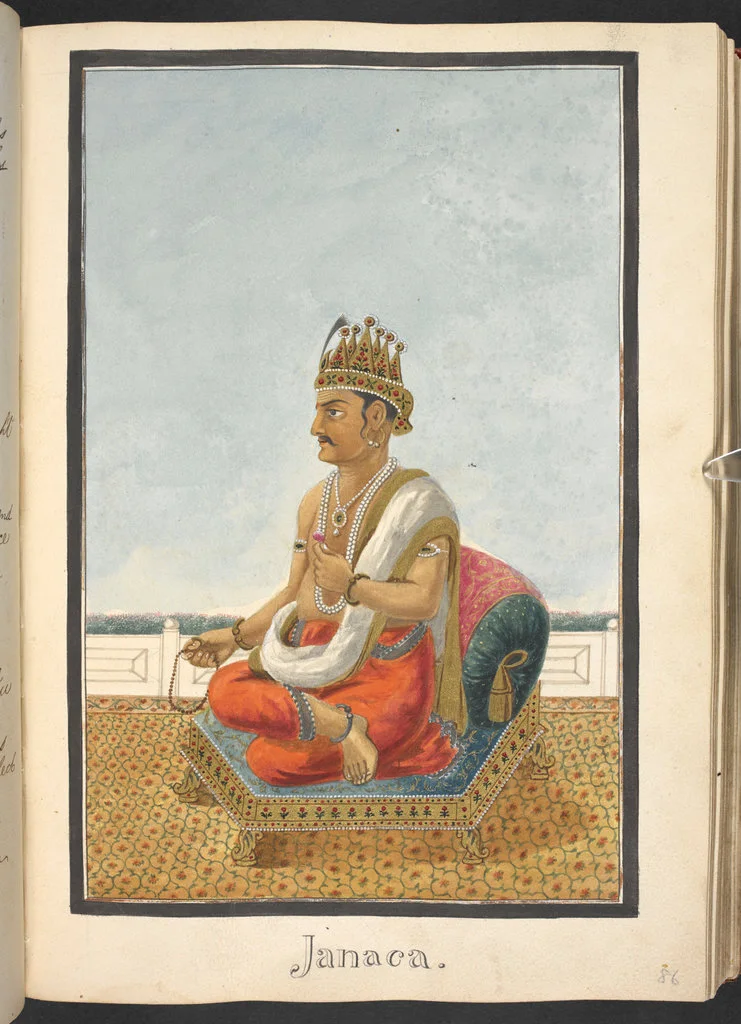
In the words of Pranav Ashar
How we renderChapter 20: Nothing rises from me
क्व भूतानि क्व देहो वा क्वेन्द्रियाणि क्व वा मनः । क्व शून्यं क्व च नैराश्यं मत्स्वरूपे निरञ्जने ॥
kva bhūtāni kva deho vā kvendriyāṇi kva vā manaḥ | kva śūnyaṃ kva ca nairāśyaṃ matsvarūpe nirañjane ||
Where are the elements, where the body, where the senses, where the mind, where emptiness, where despair, in my own stainless nature?
क्व शास्त्रं क्वात्मविज्ञानं क्व वा निर्विषयं मनः । क्व तृप्तिः क्व वितृष्णात्वं गतद्वन्द्वस्य मे सदा ॥
kva śāstraṃ kvātmavijñānaṃ kva vā nirviṣayaṃ manaḥ | kva tṛptiḥ kva vitṛṣṇātvaṃ gatadvandvasya me sadā ||
Where is scripture, where knowledge of the Self, where a mind without objects, where contentment, where freedom from thirst, for me, always beyond the pairs?
क्व विद्या क्व च वाविद्या क्वाहं क्वेदं मम क्व वा । क्व बन्धः क्व च वा मोक्षः स्वरूपस्य क्व रूपिता ॥
kva vidyā kva ca vāvidyā kvāhaṃ kvedaṃ mama kva vā | kva bandhaḥ kva ca vā mokṣaḥ svarūpasya kva rūpitā ||
Where is knowledge, where not-knowing, where 'I', where 'this', where 'mine', where bondage, where freedom? Where is form for what is my own nature?
क्व प्रारब्धानि कर्माणि जीवन्मुक्तिरपि क्व वा । क्व तद् विदेहकैवल्यं निर्विशेषस्य सर्वदा ॥
kva prārabdhāni karmāṇi jīvanmuktirapi kva vā | kva tad videhakaivalyaṃ nirviśeṣasya sarvadā ||
Where are the actions already set going, where even freedom while living, where that aloneness after the body, for the one always without distinctions?
Note //
Prarabdha karma is past action already bearing fruit as this life; videha-kaivalya is freedom when the body falls.
क्व कर्ता क्व च वा भोक्ता निष्क्रियं स्फुरणं क्व वा । क्वापरोक्षं फलं वा क्व निःस्वभावस्य मे सदा ॥
kva kartā kva ca vā bhoktā niṣkriyaṃ sphuraṇaṃ kva vā | kvāparokṣaṃ phalaṃ vā kva niḥsvabhāvasya me sadā ||
Where is the doer, where the enjoyer, where actionless shining, where direct knowing, where its fruit, for me, always without a nature of my own?
क्व लोकं क्व मुमुक्षुर्वा क्व योगी ज्ञानवान् क्व वा । क्व बद्धः क्व च वा मुक्तः स्वस्वरूपेऽहमद्वये ॥
kva lokaṃ kva mumukṣurvā kva yogī jñānavān kva vā | kva baddhaḥ kva ca vā muktaḥ svasvarūpe'hamadvaye ||
Where is the world, where the one who longs for freedom, where the yogi, where the knower, where the bound, where the free? I am in my own nature, not two.
क्व सृष्टिः क्व च संहारः क्व साध्यं क्व च साधनम् । क्व साधकः क्व सिद्धिर्वा स्वस्वरूपेऽहमद्वये ॥
kva sṛṣṭiḥ kva ca saṃhāraḥ kva sādhyaṃ kva ca sādhanam | kva sādhakaḥ kva siddhirvā svasvarūpe'hamadvaye ||
Where is making, where unmaking, where the goal, where the means, where the one who strives, where success? I am in my own nature, not two.
क्व प्रमाता प्रमाणं वा क्व प्रमेयं क्व च प्रमा । क्व किञ्चित् क्व न किञ्चिद् वा सर्वदा विमलस्य मे ॥
kva pramātā pramāṇaṃ vā kva prameyaṃ kva ca pramā | kva kiñcit kva na kiñcid vā sarvadā vimalasya me ||
Where is the knower, where the means of knowing, where the known, where knowledge, where something, where nothing, for me, always stainless?
क्व विक्षेपः क्व चैकाग्र्यं क्व निर्बोधः क्व मूढता । क्व हर्षः क्व विषादो वा सर्वदा निष्क्रियस्य मे ॥
kva vikṣepaḥ kva caikāgryaṃ kva nirbodhaḥ kva mūḍhatā | kva harṣaḥ kva viṣādo vā sarvadā niṣkriyasya me ||
Where is scattering, where one-pointedness, where not-understanding, where dullness, where joy, where grief, for me, always without action?
क्व चैष व्यवहारो वा क्व च सा परमार्थता । क्व सुखं क्व च वा दुःखं निर्विमर्शस्य मे सदा ॥
kva caiṣa vyavahāro vā kva ca sā paramārthatā | kva sukhaṃ kva ca vā duḥkhaṃ nirvimarśasya me sadā ||
Where is this everyday dealing, where that highest truth, where happiness, where sorrow, for me, always beyond deliberating?
Note //
The everyday (vyavahara) and the highest (paramartha) standpoints are both distinctions the mind makes.
क्व माया क्व च संसारः क्व प्रीतिर्विरतिः क्व वा । क्व जीवः क्व च तद्ब्रह्म सर्वदा विमलस्य मे ॥
kva māyā kva ca saṃsāraḥ kva prītirviratiḥ kva vā | kva jīvaḥ kva ca tadbrahma sarvadā vimalasya me ||
Where is , where , where liking, where dislike, where the person, where even that whole, for me, always stainless?
Note //
Maya is rendered 'appearance', as throughout.
क्व प्रवृत्तिर्निर्वृत्तिर्वा क्व मुक्तिः क्व च बन्धनम् । कूटस्थनिर्विभागस्य स्वस्थस्य मम सर्वदा ॥
kva pravṛttirnirvṛttirvā kva muktiḥ kva ca bandhanam | kūṭasthanirvibhāgasya svasthasya mama sarvadā ||
Where is doing, where stopping, where freedom, where bondage, for me, unmoving, undivided, always at ease in myself?
क्वोपदेशः क्व वा शास्त्रं क्व शिष्यः क्व च वा गुरुः । क्व चास्ति पुरुषार्थो वा निरुपाधेः शिवस्य मे ॥
kvopadeśaḥ kva vā śāstraṃ kva śiṣyaḥ kva ca vā guruḥ | kva cāsti puruṣārtho vā nirupādheḥ śivasya me ||
Where is instruction, where scripture, where the pupil, where the teacher, where any aim of life, for me, without a frame, the auspicious?
Note //
'Without a frame' (nirupadhi): nothing even seems to limit the Self here; shiva, 'the auspicious', names it.
क्व चास्ति क्व च वा नास्ति क्वास्ति चैकं क्व च द्वयम् । बहुनात्र किमुक्तेन किञ्चिन्नोत्तिष्ठते मम ॥
kva cāsti kva ca vā nāsti kvāsti caikaṃ kva ca dvayam | bahunātra kimuktena kiñcinnottiṣṭhate mama ||
Where is 'is', where 'is not', where one, where two? What use is saying more? Nothing rises from me.
Note //
'Nothing rises from me': nothing comes out of the Self as a second. The text ends in the silence it points to.
The renderings on this page are shared under CC BY-NC 4.0, in the words of Pranav Ashar.