Upadesha Sahasri
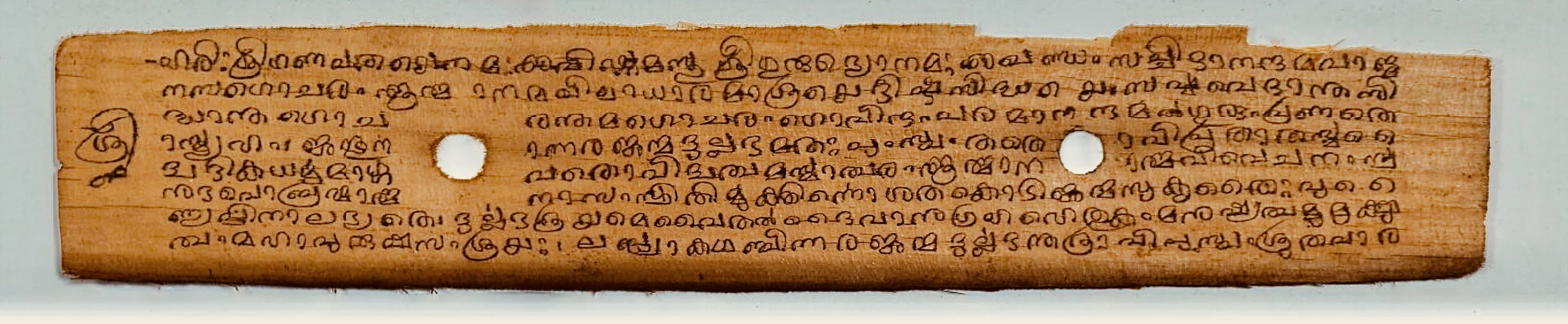
In the words of Pranav Ashar
How we renderContents
Chapter 1: How to wake a student (Shishya-pratibodhana-vidhi)
अथ मोक्षसाधनोपदेशविधिं व्याख्यास्यामो मुमुक्षूणां श्रद्दधानानामर्थिनामर्थाय
atha mokṣasādhanopadeśavidhiṃ vyākhyāsyāmo mumukṣūṇāṃ śraddadhānānāmarthināmarthāya
Now we will explain the method of teaching the means to freedom, for the sake of those who want freedom, who trust, and who ask.
Note //
The prose part of the Upadesha Sahasri opens as a teacher's manual: how to teach, and to whom. 'Trust' is shraddha.
तदिदं मोक्षसाधनं ज्ञानं साधनसाध्यादनित्यात्सर्वस्माद्विरक्ताय त्यक्तपुत्रवित्तलोकैषणाय प्रतिपन्नपरमहंसपारिव्राज्याय शमदमदयादियुक्ताय शास्त्रप्रसिद्धशिष्यगुणसम्पन्नाय शुचये ब्राह्मणाय विधिवदुपसन्नाय शिष्याय जातिकर्मवृत्तविद्याभिजनैः परीक्षिताय ब्रूयात्पुनःपुनः यावद्ग्रहणं दृढीभवति
tadidaṃ mokṣasādhanaṃ jñānaṃ sādhanasādhyādanityātsarvasmādviraktāya tyaktaputravittalokaiṣaṇāya pratipannaparamahaṃsapārivrājyāya śamadamadayādiyuktāya śāstraprasiddhaśiṣyaguṇasampannāya śucaye brāhmaṇāya vidhivadupasannāya śiṣyāya jātikarmavṛttavidyābhijanaiḥ parīkṣitāya brūyātpunaḥpunaḥ yāvadgrahaṇaṃ dṛḍhībhavati
This knowledge, the means to freedom, should be told again and again, until it is firmly grasped, to a student who has turned away from everything passing, from all that is gained by means, who has given up the wish for sons, wealth and worlds, who has taken up the wandering life of the highest renouncers, who has calm, restraint, kindness and the rest, who has the qualities of a student that the texts describe, who is clean, a brahmin, who has come in the proper way, and who has been tested in birth, conduct, learning and family.
Note //
The list of qualifications is the tradition's, including caste: Shankara is writing for brahmin renouncers of his own time, and his words are kept as he wrote them. Section 44 ends by saying the knower must leave caste and stage of life behind, and the site reads the whole chapter toward that end. The Vajrasuchi Upanishad asks who a brahmin is and answers that it is not birth, body, learning or rites but one who has known the Self directly; Narayana Guru (1855-1928) carried the same point into Kerala's life, consecrating temples and founding schools open to every caste.
श्रुतिश्च — “परीक्ष्य लोकान् ...तत्त्वतो ब्रह्मविद्याम्” इति। दृढगृहीता हि विद्या आत्मनः श्रेयसे सन्तत्यै च भवति। विद्यासन्ततिश्च प्राण्यनुग्रहाय भवति नौरिव नदीं तितीर्षोः। शास्त्रं च — “यद्यप्यस्मा इमामद्भिः परिगृहीतां धनस्य पूर्णां दद्यादेतदेव ततो भूयः” इति। अन्यथा च ज्ञानप्राप्त्यभावात् — “आचार्यवान् पुरुषो वेद”, “आचार्याद्धैव विद्या विदिता”, “आचार्यः प्लावयिता”, “सम्यग्ज्ञानं प्लव इहोच्यते” इत्यादिश्रुतिभ्यः, “उपदेक्ष्यन्ति ते ज्ञानं,” इत्यादिस्मृतेश्च
śrutiśca — “parīkṣya lokān ...tattvato brahmavidyām” iti| dṛḍhagṛhītā hi vidyā ātmanaḥ śreyase santatyai ca bhavati| vidyāsantatiśca prāṇyanugrahāya bhavati nauriva nadīṃ titīrṣoḥ| śāstraṃ ca — “yadyapyasmā imāmadbhiḥ parigṛhītāṃ dhanasya pūrṇāṃ dadyādetadeva tato bhūyaḥ” iti| anyathā ca jñānaprāptyabhāvāt — “ācāryavān puruṣo veda”, “ācāryāddhaiva vidyā viditā”, “ācāryaḥ plāvayitā”, “samyagjñānaṃ plava ihocyate” ityādiśrutibhyaḥ, “upadekṣyanti te jñānaṃ,” ityādismṛteśca
And the Veda says: 'having tested the worlds ... the knowledge of Brahman, in truth'. Knowledge firmly grasped is for one's own good and for its handing-on; and the handing-on of knowledge is for the help of living beings, as a boat is for one who wants to cross a river. And the text: 'even if one were to give him this whole earth, girdled by the sea and full of wealth, this would be more than that'. And otherwise there is no gaining of knowledge: 'one who has a teacher knows', 'knowledge learnt from a teacher', 'the teacher is the ferryman', 'right knowledge is called the boat here', and so on in the Veda; and in the tradition, 'they will teach you knowledge'.
Note //
Mundaka 1.2.12; Chandogya 4.9.3 and 6.14.2; Gita 4.34.
शिष्यस्य ज्ञानाग्रहणं च लिङ्गैर्बुद्ध्वा अग्रहणे हेतूनधर्मलौकिक-प्रमाद-नित्यानित्यविवेकविषया- सञ्जातदृढपूर्वश्रुतत्वलोकचिन्तावेक्षण-जात्याद्यभिमानादीन् तत्प्रतिपक्षैः श्रुतिस्मृतिविहितैः अपनयेत्, अक्रोधादिभिरहिंसादिभिश्च यमैः, ज्ञानाविरुद्धैश्च नियमैः
śiṣyasya jñānāgrahaṇaṃ ca liṅgairbuddhvā agrahaṇe hetūnadharmalaukika-pramāda-nityānityavivekaviṣayā- sañjātadṛḍhapūrvaśrutatvalokacintāvekṣaṇa-jātyādyabhimānādīn tatpratipakṣaiḥ śrutismṛtivihitaiḥ apanayet, akrodhādibhirahiṃsādibhiśca yamaiḥ, jñānāviruddhaiśca niyamaiḥ
And having seen by the signs that the student has not grasped the knowledge, he should remove the causes of not grasping: wrong done in the past, worldly carelessness, no firm earlier hearing on the difference between the lasting and the passing, attention to what people think, pride of birth and the rest; by their opposites, as the Veda and tradition prescribe: by not being angry and the rest, by the restraints, not harming and the rest, and by the observances that do not go against knowledge.
अमानित्वादिगुणं च ज्ञानोपायं सम्यक् ग्राहयेत्
amānitvādiguṇaṃ ca jñānopāyaṃ samyak grāhayet
And he should make him take up fully the qualities, humility and the rest, which are the means to knowledge.
Note //
Gita 13.7.
आचार्यस्तूहापोहग्रहणधारणशमदमदयानुग्रहादिसम्पन्नो लब्धागमो दृष्टादृष्टभोगेष्वनासक्तः त्यक्तसर्वकर्मसाधनो ब्रह्मविद्ब्रह्मणि स्थितोऽभिन्नवृत्तो दंभदर्पकुहकशाठ्यमायामात्सर्यानृताहङ्कारममत्वादिदोषवर्जितः केवलपरानुग्रहप्रयोजनो विद्योपयोगार्थी पूर्वमुपदिशेत् — “सदेव सोम्येदमग्र आसीदेकमेवाद्वितीयम्”, “यत्र नान्यत्पश्यति”, “आत्मैवेदं सर्वम्”, “आत्मा वा इदमेक एवाग्र आसीत्”, “सर्वं खल्विदं ब्रह्म” इत्याद्याः आत्मैक्यप्रतिपादनपराः श्रुतीः
ācāryastūhāpohagrahaṇadhāraṇaśamadamadayānugrahādisampanno labdhāgamo dṛṣṭādṛṣṭabhogeṣvanāsaktaḥ tyaktasarvakarmasādhano brahmavidbrahmaṇi sthito'bhinnavṛtto daṃbhadarpakuhakaśāṭhyamāyāmātsaryānṛtāhaṅkāramamatvādidoṣavarjitaḥ kevalaparānugrahaprayojano vidyopayogārthī pūrvamupadiśet — “sadeva somyedamagra āsīdekamevādvitīyam”, “yatra nānyatpaśyati”, “ātmaivedaṃ sarvam”, “ātmā vā idameka evāgra āsīt”, “sarvaṃ khalvidaṃ brahma” ityādyāḥ ātmaikyapratipādanaparāḥ śrutīḥ
The teacher is one who can argue for and against, grasp, hold, who has calm, restraint, kindness, favour and the rest, who has received the tradition, is unattached to enjoyments seen and unseen, has given up all actions and their means, knows Brahman and stands in Brahman, whose conduct is unbroken, free of the faults of pretence, pride, trickery, cunning, deceit, envy, lying, the I-claim, the sense of 'mine' and the rest, whose one purpose is to help others, who wants knowledge to be used. He should first teach the Veda texts whose point is the oneness of the Self: 'In the beginning, dear one, this was being alone, one only, without a second'; 'where one sees nothing else'; 'all this is the Self'; 'in the beginning this was the Self alone, one'; 'all this is Brahman'; and the rest.
Note //
Chandogya 6.2.1, 7.24.1, 7.25.2, 3.14.1; Aitareya 1.1.1.
उपदिश्य च ग्राहयेद्ब्रह्मणो लक्षणम् — “य आत्माऽपहतपाप्मा”, “यत्साक्षादपरोक्षाद्ब्रह्म”, “योऽशनायापिपासे”, “नेति नेति”, “अस्थूलमनणु”, “स एष नेति”, “अदृष्टं द्रष्टृ”, “विज्ञानमानन्दम्”, “सत्यं ज्ञानमनन्तम्”, अदृश्येऽनात्म्ये “,”स वा एष महानज आत्मा “, अप्राणो ह्यमनाः”, “सबाह्याभ्यन्तरो ह्यजः”, “विज्ञानघन एव”, “अनन्तरमबाह्यम्”, “अन्यदेव तद्विदितादथो अविदितात्”, “आकाशो वै नाम” इत्यादिश्रुतिभिः
upadiśya ca grāhayedbrahmaṇo lakṣaṇam — “ya ātmā'pahatapāpmā”, “yatsākṣādaparokṣādbrahma”, “yo'śanāyāpipāse”, “neti neti”, “asthūlamanaṇu”, “sa eṣa neti”, “adṛṣṭaṃ draṣṭṛ”, “vijñānamānandam”, “satyaṃ jñānamanantam”, adṛśye'nātmye “,”sa vā eṣa mahānaja ātmā “, aprāṇo hyamanāḥ”, “sabāhyābhyantaro hyajaḥ”, “vijñānaghana eva”, “anantaramabāhyam”, “anyadeva tadviditādatho aviditāt”, “ākāśo vai nāma” ityādiśrutibhiḥ
Having taught these, he should make him grasp the marks of Brahman: 'the Self that is free of wrong'; 'the Brahman that is immediate and direct'; 'which has gone beyond hunger and thirst'; 'not this, not this'; 'not gross, not minute'; 'this Self is not this'; 'the unseen seer'; 'knowing, fullness'; 'truth, knowing, endless'; 'unseen, without a self'; 'this great unborn Self'; 'without breath, without mind'; 'unborn, with nothing outside or inside'; 'a mass of knowing alone'; 'with nothing inside or outside'; 'other than the known, and beyond the unknown'; 'called space'; and the rest of the Veda texts.
Note //
Chandogya 8.7.1; Brihadaranyaka 3.4.1, 3.5.1, 2.3.6, 3.8.8, 3.9.26, 3.7.23, 3.9.28, 4.4.22, 2.5.19, 4.5.13; Taittiriya 2.1.1, 2.7.1; Mundaka 2.1.2; Kena 1.3; Chandogya 8.14.1.
स्मृतिभिश्च — “न जायते म्रियते वा”, “नादत्ते कस्यचित्पापम्”, “यथाकाशस्थितो नित्यम्”, क्षेत्रज्ञं चापि मां विद्धि “,”न सत्तन्नासदुच्यते“,”अनादित्वान्निर्गुणत्वात्“,”समं सर्वेषु भूतेषु“,”उत्तमः पुरुषस्त्वन्यः ' इत्यादिभिः श्रुत्युक्तलक्षणाविरुद्धाभिः परमात्मासंसारित्वप्रतिपादनपराभिः तस्य सर्वेणानन्यत्वप्रतिपादनपराभिश्च
smṛtibhiśca — “na jāyate mriyate vā”, “nādatte kasyacitpāpam”, “yathākāśasthito nityam”, kṣetrajñaṃ cāpi māṃ viddhi “,”na sattannāsaducyate“,”anāditvānnirguṇatvāt“,”samaṃ sarveṣu bhūteṣu“,”uttamaḥ puruṣastvanyaḥ ' ityādibhiḥ śrutyuktalakṣaṇāviruddhābhiḥ paramātmāsaṃsāritvapratipādanaparābhiḥ tasya sarveṇānanyatvapratipādanaparābhiśca
And by the texts of tradition: 'it is not born and does not die'; 'it takes on no one's wrong'; 'as space, standing everywhere, is always'; 'know me also as the knower of the field'; 'it is called neither being nor non-being'; 'because it is without beginning and without qualities'; 'the same in all beings'; 'but the highest person is another'; and the rest, which do not go against the marks the Veda gives, which teach that the highest Self is not , and which teach that it is not other than everything.
Note //
Gita 2.20, 5.15, 13.32, 13.2, 13.12, 13.31, 13.27, 15.17.
एवं श्रुतिस्मृतिभिः गृहीतपरमात्मलक्षणं शिष्यं संसारसागरादुत्तितीर्षुं पृच्छेत् — कस्त्वमसि सोम्येति
evaṃ śrutismṛtibhiḥ gṛhītaparamātmalakṣaṇaṃ śiṣyaṃ saṃsārasāgarāduttitīrṣuṃ pṛcchet — kastvamasi somyeti
When the student has grasped the marks of the highest Self from the Veda and tradition in this way, and wants to cross the sea , he should ask him: 'Who are you, ?'
Note //
The question of the whole chapter, and the site's 'who am I?'.
स यदि ब्रूयात् — ब्राह्मणपुत्रः अदोन्वयः ब्रह्मचार्यासम्, गृहस्थो वा, इदानीमस्मि परमहंसपरिव्राट् संसारसागरात् जन्ममृत्युमहाग्राहात् उत्तितीर्षुरिति
sa yadi brūyāt — brāhmaṇaputraḥ adonvayaḥ brahmacāryāsam, gṛhastho vā, idānīmasmi paramahaṃsaparivrāṭ saṃsārasāgarāt janmamṛtyumahāgrāhāt uttitīrṣuriti
If he says: 'I am a brahmin's son, of such and such a line; I was a student, or a householder; now I am a wandering renouncer of the highest order, and I want to cross the sea with its great crocodiles, birth and death':
आचार्यो ब्रूयात् — इहैव तव सोम्य मृतस्य शरीरं वयोभिरद्यते मृद्भावं वापद्यते, तत्र कथं संसारादुद्धर्तुमिच्छसीति। नहि नद्याः अवरे कूले भस्मीभूते नद्याः पारं तरिष्यसीति
ācāryo brūyāt — ihaiva tava somya mṛtasya śarīraṃ vayobhiradyate mṛdbhāvaṃ vāpadyate, tatra kathaṃ saṃsārāduddhartumicchasīti| nahi nadyāḥ avare kūle bhasmībhūte nadyāḥ pāraṃ tariṣyasīti
the teacher should say: 'Dear one, right here, when you are dead, your body will be eaten by birds or turn to earth; how then do you want to be lifted out ? When you have been burnt to ash on this bank of the river, you will not cross to the other.'
स यदि ब्रूयात् — अन्योऽहं शरीरात्। शरीरं तु जायते, म्रियते, वयोभिरद्यते, शस्त्राग्न्यादिभिश्च विनाश्यते, व्याध्यादिभिश्च प्रयुज्यते। तस्मिन्नहं स्वकृतधर्माधर्मवशात् पक्षी नीडमिव प्रविष्टः पुनः पुनः शरीरविनाशे धर्माधर्मवशात् शरीरान्तरं यास्यामि, पूर्वनीडविनाशे पक्षीव नीडान्तरम्। एवमेवाहमनादौ संसारे देवमनुष्यतिर्यङ्निरयस्थानेषु स्वकर्मवशादुपात्तमुपात्तं शरीरं त्यजन्, नवं नवं च अन्यदुपाददानो, जन्ममरणप्रबन्धचक्रे घटीयन्त्रवत् स्वकर्मणा भ्राम्यमाणः क्रमेणेदं शरीरमासाद्य संसारचक्रभ्रमणात् अस्मान्निर्विण्णो भगवन्तमुपसन्नोऽस्मि संसारचक्रभ्रमणप्रशमाय। तस्मान्नित्य एवाहं शरीरादन्यः। शरीराणि आगच्छन्त्यपगच्छन्ति च वासांसीव पुरुषस्येति
sa yadi brūyāt — anyo'haṃ śarīrāt| śarīraṃ tu jāyate, mriyate, vayobhiradyate, śastrāgnyādibhiśca vināśyate, vyādhyādibhiśca prayujyate| tasminnahaṃ svakṛtadharmādharmavaśāt pakṣī nīḍamiva praviṣṭaḥ punaḥ punaḥ śarīravināśe dharmādharmavaśāt śarīrāntaraṃ yāsyāmi, pūrvanīḍavināśe pakṣīva nīḍāntaram| evamevāhamanādau saṃsāre devamanuṣyatiryaṅnirayasthāneṣu svakarmavaśādupāttamupāttaṃ śarīraṃ tyajan, navaṃ navaṃ ca anyadupādadāno, janmamaraṇaprabandhacakre ghaṭīyantravat svakarmaṇā bhrāmyamāṇaḥ krameṇedaṃ śarīramāsādya saṃsāracakrabhramaṇāt asmānnirviṇṇo bhagavantamupasanno'smi saṃsāracakrabhramaṇapraśamāya| tasmānnitya evāhaṃ śarīrādanyaḥ| śarīrāṇi āgacchantyapagacchanti ca vāsāṃsīva puruṣasyeti
If he says: 'I am other than the body. The body is born, dies, is eaten by birds, is destroyed by weapons, fire and the rest, is seized by disease and the rest. I have entered it as a bird enters a nest, by the force of the right and wrong I have done; again and again, when the body is destroyed, I will go to another body by the force of right and wrong, as a bird goes to another nest when the old one is destroyed. So, in this beginningless round, in the places of gods, men, animals and hells, leaving each body I have taken up by my own actions and taking up a new one, and another, turned by my own actions on the wheel of births and deaths like a water-wheel, I have come in course of time to this body; sick of being turned on the wheel , I have come to you, sir, to put an end to the turning. So I am always other than the body; bodies come and go, like a man's clothes':
आचार्यो ब्रूयात् — साध्ववादीः, सम्यक्पश्यसि। कथं मृषाऽवादीः ब्राह्मणपुत्रोऽदोन्वयो ब्रह्मचार्यासम्, गृहस्थो वा, इदानीमस्मि परमहंसपरिव्राडिति
ācāryo brūyāt — sādhvavādīḥ, samyakpaśyasi| kathaṃ mṛṣā'vādīḥ brāhmaṇaputro'donvayo brahmacāryāsam, gṛhastho vā, idānīmasmi paramahaṃsaparivrāḍiti
the teacher should say: 'Well said; you see rightly. Then why did you say falsely, "I am a brahmin's son, of such and such a line; I was a student, or a householder; now I am a wandering renouncer of the highest order"?'
तं प्रति ब्रूयादाचार्यः — स यदि ब्रूयात् भगवन्, कथमहं मृषाऽवादिषमिति
taṃ prati brūyādācāryaḥ — sa yadi brūyāt bhagavan, kathamahaṃ mṛṣā'vādiṣamiti
The teacher should say to him, if he asks: 'Sir, how did I speak falsely?'
यतस्त्वं भिन्नजात्यन्वयसंस्कारं शरीरं जात्यन्वयवर्जितस्यात्मनः प्रत्यभ्यज्ञासीः ब्राह्मणपुत्रोऽदोन्वय इत्यादिना वाक्येनेति
yatastvaṃ bhinnajātyanvayasaṃskāraṃ śarīraṃ jātyanvayavarjitasyātmanaḥ pratyabhyajñāsīḥ brāhmaṇaputro'donvaya ityādinā vākyeneti
'Because, with the sentence "I am a brahmin's son, of such and such a line" and the rest, you recognised the body, which has a different kind, line and rites, as the Self, which has no kind and no line.'
स यदि पृच्छेत् कथं भिन्नजात्यन्वयसंस्कारं शरीरं, कथं वा अहं जात्यन्वयसंस्कारवर्जित इति
sa yadi pṛcchet kathaṃ bhinnajātyanvayasaṃskāraṃ śarīraṃ, kathaṃ vā ahaṃ jātyanvayasaṃskāravarjita iti
If he asks: 'How does the body have a different kind, line and rites, and how am I free of kind, line and rites?'
आचार्यो ब्रूयात् — शृणु सोम्य यथेदं शरीरं त्वत्तो भिन्नं भिन्नजात्यन्वयसंस्कारं, त्वं च जात्यन्वयसंस्कारवर्जितः, इत्युक्त्वा तं स्मारयेत् — स्मर्तुमर्हसि सोम्य, परमात्मानं सर्वात्मानं यथोक्तलक्षणं श्रावितोऽसि “सदेव सोम्येदम्” इत्यादिभिः श्रुतिभिः स्मृतिभिश्च। लक्षणं च तस्य श्रुतिभिः स्मृतिभिश्च
ācāryo brūyāt — śṛṇu somya yathedaṃ śarīraṃ tvatto bhinnaṃ bhinnajātyanvayasaṃskāraṃ, tvaṃ ca jātyanvayasaṃskāravarjitaḥ, ityuktvā taṃ smārayet — smartumarhasi somya, paramātmānaṃ sarvātmānaṃ yathoktalakṣaṇaṃ śrāvito'si “sadeva somyedam” ityādibhiḥ śrutibhiḥ smṛtibhiśca| lakṣaṇaṃ ca tasya śrutibhiḥ smṛtibhiśca
the teacher should say: 'Listen, dear one, to how this body is other than you, with a kind, line and rites that differ, and how you are free of kind, line and rites.' And having said this he should remind him: 'You should remember, dear one, that you were told of the highest Self, the Self of all, with the marks described, by the Veda texts "In the beginning, dear one, this was being" and the rest, and by the texts of tradition; and of its marks, by the Veda and tradition.'
लब्धपरमात्मलक्षणस्मृतये ब्रूयात् — योऽसावाकाशनामा नामरूपाभ्यामर्थान्तरभूतः अशरीरः अस्थूलादिलक्षणः अपहतपाप्मादिलक्षणश्च सर्वैः संसारधर्मैः अनागन्धितः “यत्साक्षादपरोक्षाद्ब्रह्म”, “य आत्मा सर्वान्तरः”, “अदृष्टो द्रष्टा अश्रुतः श्रोता अमतो मन्ता अविज्ञातो विज्ञाता”, “नित्यविज्ञानस्वरूपः अनन्तरः अबाह्यः विज्ञानघन एव”, “परिपूर्णः आकाशवत्”, “अनन्तशक्तिः”, 'आत्मा सर्वस्य, अशनायादिवर्जितः, आविर्भावतिरोभाववर्जितश्च, स्वात्मविलक्षणयोः नामरूपयोः जगद्बीजभूतयोः स्वात्मस्थयोः तत्त्वान्यत्वाभ्यामनिर्वचनीययोः स्वयंवेद्ययोः सद्भावमात्रेणाचिन्त्यशक्तित्वाद् व्याकर्ता अव्याकृतयोः
labdhaparamātmalakṣaṇasmṛtaye brūyāt — yo'sāvākāśanāmā nāmarūpābhyāmarthāntarabhūtaḥ aśarīraḥ asthūlādilakṣaṇaḥ apahatapāpmādilakṣaṇaśca sarvaiḥ saṃsāradharmaiḥ anāgandhitaḥ “yatsākṣādaparokṣādbrahma”, “ya ātmā sarvāntaraḥ”, “adṛṣṭo draṣṭā aśrutaḥ śrotā amato mantā avijñāto vijñātā”, “nityavijñānasvarūpaḥ anantaraḥ abāhyaḥ vijñānaghana eva”, “paripūrṇaḥ ākāśavat”, “anantaśaktiḥ”, 'ātmā sarvasya, aśanāyādivarjitaḥ, āvirbhāvatirobhāvavarjitaśca, svātmavilakṣaṇayoḥ nāmarūpayoḥ jagadbījabhūtayoḥ svātmasthayoḥ tattvānyatvābhyāmanirvacanīyayoḥ svayaṃvedyayoḥ sadbhāvamātreṇācintyaśaktitvād vyākartā avyākṛtayoḥ
To one who has got back the memory of the marks of the highest Self he should say: 'That which is called space, which is a thing other than , bodiless, with the marks "not gross" and the rest, and the marks "free of wrong" and the rest, untouched by any quality ; "the Brahman that is immediate and direct", "the Self that is within all", "the unseen seer, the unheard hearer, the unthought thinker, the unknown knower", "whose nature is lasting knowing, with nothing inside, nothing outside, a mass of knowing alone", "complete, like space", "of endless power", the Self of all, free of hunger and the rest, free of appearing and disappearing; which, by its mere being, through a power past thinking, is the unfolder of the not yet unfolded , which are other than its own self, the seed of the world, which stand in its own self, which cannot be called either the same as it or other than it, and which are known by itself alone.'
Note //
The long sentence is one in the Sanskrit. 'Name and form' (nama-rupa) are the site's appearance; 'which cannot be called the same or other' is its 'dependent'.
ते नामरूपे अव्याकृते सती व्याक्रियमाणे तस्मादेतस्मादात्मन आकाशनामाकृती संवृत्ते। तच्चाकाशाख्यं भूतमनेन प्रकारेण परमात्मनः सम्भूतं प्रसन्नादिव सलिलान्मलमिव फेनम्। न सलिलं न च सलिलादत्यन्तभिन्नं फेनम्। सलिलव्यतिरेकेणादर्शनात्। सलिलं तु स्वच्छं अन्यत् फेनान्मलरूपात्। एवं परमात्मा नामरूपाभ्यामन्यः फेनस्थानीयाभ्यां शुद्धः प्रसन्नः तद्विलक्षणः। ते नामरूपे अव्याकृते सती व्याक्रियमाणे फेनस्थानीये आकाशनामाकृती संवृत्ते
te nāmarūpe avyākṛte satī vyākriyamāṇe tasmādetasmādātmana ākāśanāmākṛtī saṃvṛtte| taccākāśākhyaṃ bhūtamanena prakāreṇa paramātmanaḥ sambhūtaṃ prasannādiva salilānmalamiva phenam| na salilaṃ na ca salilādatyantabhinnaṃ phenam| salilavyatirekeṇādarśanāt| salilaṃ tu svacchaṃ anyat phenānmalarūpāt| evaṃ paramātmā nāmarūpābhyāmanyaḥ phenasthānīyābhyāṃ śuddhaḥ prasannaḥ tadvilakṣaṇaḥ| te nāmarūpe avyākṛte satī vyākriyamāṇe phenasthānīye ākāśanāmākṛtī saṃvṛtte
'That , not yet unfolded, as they were unfolded, became, from this Self, the name and shape called space. And this element called space came forth from the highest Self in this way, as dirty foam from . Foam is not water, nor is it wholly other than water, since it is not seen apart from water; but water is clear, and other than the foam, which is dirt. So the highest Self is other than , which stand where the foam stands; it is pure, clear, unlike them. That , not yet unfolded, as they were unfolded, standing where the foam stands, became the name and shape called space.'
Note //
The foam on water: the site's clay and pot. Position 2 is this paragraph.
ततोऽपि स्थूलभावमापद्यमाने नामरूपे व्याक्रियमाणे वायुभावमापद्येते, ततोऽग्निभावं, अग्नेरब्भावं, ततः पृथ्वीभावं इत्येवंक्रमेण पूर्वपूर्वानुप्रवेशेन पञ्चमहाभूतानि पृथिव्यन्तान्युत्पन्नानि। ततः पञ्चमहाभूतगुणविशिष्टा पृथ्वी। पृथ्व्याश्च पञ्चात्मिक्यो व्रीहियवाद्या ओषधयो जायन्ते। ताभ्यो भक्षिताभ्यो लोहितं च शुक्रं च स्त्रीपुंसशरीरसंबन्धि जायते। तदुभयमृतुकाले अविद्याप्रयुक्तकामखजनिर्मथनोद्भूतं मन्त्रसंस्कृतं गर्भाशये निषिच्यते। तत्स्वयोनिरसानुप्रवेशेन विवर्धमानं गर्भीभूतं नवमे दशमे वा मासि सञ्जायते
tato'pi sthūlabhāvamāpadyamāne nāmarūpe vyākriyamāṇe vāyubhāvamāpadyete, tato'gnibhāvaṃ, agnerabbhāvaṃ, tataḥ pṛthvībhāvaṃ ityevaṃkrameṇa pūrvapūrvānupraveśena pañcamahābhūtāni pṛthivyantānyutpannāni| tataḥ pañcamahābhūtaguṇaviśiṣṭā pṛthvī| pṛthvyāśca pañcātmikyo vrīhiyavādyā oṣadhayo jāyante| tābhyo bhakṣitābhyo lohitaṃ ca śukraṃ ca strīpuṃsaśarīrasaṃbandhi jāyate| tadubhayamṛtukāle avidyāprayuktakāmakhajanirmathanodbhūtaṃ mantrasaṃskṛtaṃ garbhāśaye niṣicyate| tatsvayonirasānupraveśena vivardhamānaṃ garbhībhūtaṃ navame daśame vā māsi sañjāyate
'Then , unfolding and growing grosser still, became wind; then fire; from fire, water; then earth. In this order, each entering the one before it, the five great elements down to earth came forth. Then earth, marked by the qualities of all five; and from earth the plants made of the five, rice, barley and the rest; and from these, when eaten, blood and seed, belonging to the bodies of woman and man. Both of these, at the proper time, drawn out by the churning of desire set going by , prepared with ritual verses, are poured into the womb. By the entering of the juices of its own source it grows, becomes an embryo, and in the ninth or tenth month is born.'
तज्जातं लब्धनामाकृतिकं जातकर्मादिभिः मन्त्रसंस्कृतं पुनः उपनयनसंस्कारयोगेन ब्रह्मचारिसंज्ञं भवति। तदेव शरीरं पत्नीयोगसंस्कारयोगेन गृहस्थसंज्ञं भवति। तदेव वनस्थसंस्कारेण तापससंज्ञं भवति। तदेव क्रियाविनिवृत्तिनिमित्तसंस्कारेण परिव्राट्संज्ञं भवति। इत्येवं त्वत्तो भिन्नं भिन्नजात्यन्वयसंस्कारं शरीरम्
tajjātaṃ labdhanāmākṛtikaṃ jātakarmādibhiḥ mantrasaṃskṛtaṃ punaḥ upanayanasaṃskārayogena brahmacārisaṃjñaṃ bhavati| tadeva śarīraṃ patnīyogasaṃskārayogena gṛhasthasaṃjñaṃ bhavati| tadeva vanasthasaṃskāreṇa tāpasasaṃjñaṃ bhavati| tadeva kriyāvinivṛttinimittasaṃskāreṇa parivrāṭsaṃjñaṃ bhavati| ityevaṃ tvatto bhinnaṃ bhinnajātyanvayasaṃskāraṃ śarīram
'When it is born and has got a name and a shape, prepared with ritual verses at the birth rite and the rest, and again by the rite of the sacred thread, it is called a student. The same body, by the rite of joining with a wife, is called a householder; the same, by the rite of going to the forest, is called a hermit; the same, by the rite that marks the ceasing of ritual acts, is called a renouncer. So the body is other than you, with a kind, line and rites that differ.'
मनश्चेन्द्रियाणि च नामरूपात्मकान्येव “अन्नमयं हि सोम्य मनः” इत्यादिश्रुतिभ्यः
manaścendriyāṇi ca nāmarūpātmakānyeva “annamayaṃ hi somya manaḥ” ityādiśrutibhyaḥ
'And the mind and the senses are made of only, by the Veda texts "the mind, dear one, is made of food" and the rest.'
Note //
Chandogya 6.5.4.
कथं चाहं भिन्नजात्यन्वयसंस्कारवर्जित इत्येतच्छृणु। योऽसौ नामरूपयोर्व्याकर्ता नामरूपधर्मविलक्षणः स एव नामरूपे व्याकुर्वन् सृष्ट्वेदं शरीरं स्वयं संस्कारधर्मवर्जितो नामरूपे इह प्रविष्टः अन्यैरदृष्टः स्वयं पश्यन्, तथाऽश्रुतः श्रुण्वन्, अमतो मन्वानो, अविज्ञातो विजानन् — “सर्वाणि रूपाणि विचित्य धीरो नामानि कृत्वाऽभिवदन् यदास्ते” इति। अस्मिन्नर्थे श्रुतयः सहस्रशः “तत्सृष्ट्वा तदेवानुप्राविशत्”, “अन्तः प्रविष्टः शास्ता जनानाम्”, “स एष इह प्रविष्टः”, “एष त आत्मा”, “स एतमेव सीमानं विदार्यैतया द्वारा प्रापद्यत”, “एष सर्वेषु भूतेषु गूढोऽऽत्मा”, “सेयं देवतैक्षत हन्ताहमिमास्तिस्रो देवताः” इत्याद्याः
kathaṃ cāhaṃ bhinnajātyanvayasaṃskāravarjita ityetacchṛṇu| yo'sau nāmarūpayorvyākartā nāmarūpadharmavilakṣaṇaḥ sa eva nāmarūpe vyākurvan sṛṣṭvedaṃ śarīraṃ svayaṃ saṃskāradharmavarjito nāmarūpe iha praviṣṭaḥ anyairadṛṣṭaḥ svayaṃ paśyan, tathā'śrutaḥ śruṇvan, amato manvāno, avijñāto vijānan — “sarvāṇi rūpāṇi vicitya dhīro nāmāni kṛtvā'bhivadan yadāste” iti| asminnarthe śrutayaḥ sahasraśaḥ “tatsṛṣṭvā tadevānuprāviśat”, “antaḥ praviṣṭaḥ śāstā janānām”, “sa eṣa iha praviṣṭaḥ”, “eṣa ta ātmā”, “sa etameva sīmānaṃ vidāryaitayā dvārā prāpadyata”, “eṣa sarveṣu bhūteṣu gūḍho''tmā”, “seyaṃ devataikṣata hantāhamimāstisro devatāḥ” ityādyāḥ
'And how you are free of kind, line and rites, hear this. That unfolder of , unlike any quality of , is the very one who, unfolding , made this body, and itself free of rites and qualities, entered into here, unseen by others and itself seeing, likewise unheard and hearing, unthought and thinking, unknown and knowing: "the wise one who, having shaped all forms and given them names, sits speaking them". On this point there are Veda texts by the thousand: "having made it, it entered that very thing"; "the ruler of people, entered within"; "it is this one, entered here"; "this is your Self"; "it split this very parting and entered by that door"; "this is the Self hidden in all beings"; "that deity thought: let me now enter these three deities"; and the rest.'
Note //
Taittiriya 2.6.1; Taittiriya Aranyaka 3.11.1; Brihadaranyaka 1.4.7, 3.4.1; Aitareya 1.3.12; Katha 3.12; Chandogya 6.3.2. The Self 'enters' what it unfolds: awareness appearing through one body-mind, position 4.
स्मृतयोऽपि “आत्मैव देवताः सर्वाः”, “नवद्वारे पुरे देही”, “क्षेत्रज्ञं चापि मां विद्धि”, “समः सर्वेषु भूतेषु”, “उपद्रष्टानुमन्ता च”, “उत्तमः पुरुषस्त्वन्यः”, अशरीरं शरीरेषु 'इत्याद्याः। तस्मात् जात्यन्वयसंस्कारवर्जितस्त्वमिति सिद्धम्
smṛtayo'pi “ātmaiva devatāḥ sarvāḥ”, “navadvāre pure dehī”, “kṣetrajñaṃ cāpi māṃ viddhi”, “samaḥ sarveṣu bhūteṣu”, “upadraṣṭānumantā ca”, “uttamaḥ puruṣastvanyaḥ”, aśarīraṃ śarīreṣu 'ityādyāḥ| tasmāt jātyanvayasaṃskāravarjitastvamiti siddham
'And texts of tradition too: "the Self alone is all the gods"; "the embodied one in the city of nine gates"; "know me also as the knower of the field"; "the same in all beings"; "the onlooker and consenter"; "but the highest person is another"; "bodiless in bodies"; and the rest. So it is settled that you are free of kind, line and rites.'
Note //
Manu 12.119; Gita 5.13, 13.2, 13.27, 13.22, 15.17; Katha 2.22.
स यदि ब्रूयात् — अन्य एवाहमज्ञः सुखी दुःखी बद्धः संसारी, अन्योऽसौ मद्विलक्षणः असंसारी देवः। तमहं बल्युपहारनमस्कारादिभिः वर्णाश्रमकर्मभिश्चाराध्य संसारसागरादुत्तितीर्षुरस्मि। कथमहं स एवेति
sa yadi brūyāt — anya evāhamajñaḥ sukhī duḥkhī baddhaḥ saṃsārī, anyo'sau madvilakṣaṇaḥ asaṃsārī devaḥ| tamahaṃ balyupahāranamaskārādibhiḥ varṇāśramakarmabhiścārādhya saṃsārasāgarāduttitīrṣurasmi| kathamahaṃ sa eveti
If he says: 'I am one thing: not knowing, happy, unhappy, bound, ; and that one is another, unlike me, not , a god. Worshipping him with offerings, gifts, bowing and the rest, and with the acts of caste and stage of life, I want to cross the sea . How am I that very one?'
Note //
The dualist's objection, in the student's mouth; the next sections answer it from the texts.
आचार्यो ब्रूयात् — नैवं सोम्य प्रतिपत्तुमर्हसि, प्रतिषिद्धत्वाद्भेदप्रतिपत्तेः। कथं प्रतिषिद्धा भेदप्रतिपत्तिरित्यत आह — “अन्योऽसावन्योऽहमस्मीति न स वेद”, “ब्रह्म तं परादाद्योऽन्यत्रात्मनो ब्रह्म वेद”, “मृत्योः स मृत्युमाप्नोति य इह नानेव पश्यति” इत्येवमाद्याः
ācāryo brūyāt — naivaṃ somya pratipattumarhasi, pratiṣiddhatvādbhedapratipatteḥ| kathaṃ pratiṣiddhā bhedapratipattirityata āha — “anyo'sāvanyo'hamasmīti na sa veda”, “brahma taṃ parādādyo'nyatrātmano brahma veda”, “mṛtyoḥ sa mṛtyumāpnoti ya iha nāneva paśyati” ityevamādyāḥ
the teacher should say: 'Dear one, you should not take it so, because taking it as difference is forbidden. How is taking it as difference forbidden? From these: "he who thinks 'that is one, I am another' does not know"; "Brahman casts out one who knows Brahman as other than the Self"; "from death to death he goes who sees here as if it were many"; and the rest.'
Note //
Brihadaranyaka 1.4.10, 2.4.6, 4.4.19.
एता एव श्रुतयो भेदप्रतिपत्तेः संसारगमनं दर्शयन्ति
etā eva śrutayo bhedapratipatteḥ saṃsāragamanaṃ darśayanti
'These same Veda texts show that from taking it as difference one goes to the round.'
अभेदप्रतिपत्तेश्च मोक्षं दर्शयन्ति सहस्रशः — “स आत्मा तत्त्वमसि” इति परमात्मभावं विधाय “आचार्यवान् पुरुषो वेद” इत्युक्त्वा “तस्य तावदेव चिरम्” इति मोक्षं दर्शयन्त्यभेदविज्ञानादेव। सत्याभिसन्धस्य अतस्करस्येव दाहाद्यभाववत् संसाराभावं दर्शयन्ति दृष्टान्तेन, भेददर्शनादसत्याभिसन्धस्य संसारगमनं दर्शयन्ति तस्करस्येव दाहादिदृष्टान्तेन
abhedapratipatteśca mokṣaṃ darśayanti sahasraśaḥ — “sa ātmā tattvamasi” iti paramātmabhāvaṃ vidhāya “ācāryavān puruṣo veda” ityuktvā “tasya tāvadeva ciram” iti mokṣaṃ darśayantyabhedavijñānādeva| satyābhisandhasya ataskarasyeva dāhādyabhāvavat saṃsārābhāvaṃ darśayanti dṛṣṭāntena, bhedadarśanādasatyābhisandhasya saṃsāragamanaṃ darśayanti taskarasyeva dāhādidṛṣṭāntena
'And they show, by the thousand, that from taking it as not-different comes freedom. Having laid down the state of the highest Self with "that is the Self; you are that", and said "one who has a teacher knows", they show freedom with "for him the delay is only so long", from the knowledge of not-difference alone. They show, by the example of one who holds to the truth and is not burnt, like the man who is no thief, that there is no round for him; and by the example of the thief who is burnt, that one who holds to the untruth, from , goes to the round.'
Note //
Chandogya 6.8.7, 6.14.2, 6.16: the ordeal of the heated axe.
“त इह व्याघ्रो वा” इत्यादिना च अभेददर्शनात् “स स्वराट् भवति” इत्युक्त्वा तद्विपरीतेन भेददर्शनेन संसारगमनं दर्शयन्ति — “अथ येऽन्यथाऽतो विदुरन्यराजानस्ते क्षय्यलोका भवन्ति” इति प्रतिशाखम्। तस्मात् मृषैवैवमवादीः — ब्राह्मणपुत्रोऽदोन्वयः संसारी परमात्मविलक्षण इति
“ta iha vyāghro vā” ityādinā ca abhedadarśanāt “sa svarāṭ bhavati” ityuktvā tadviparītena bhedadarśanena saṃsāragamanaṃ darśayanti — “atha ye'nyathā'to viduranyarājānaste kṣayyalokā bhavanti” iti pratiśākham| tasmāt mṛṣaivaivamavādīḥ — brāhmaṇaputro'donvayaḥ saṃsārī paramātmavilakṣaṇa iti
'And with "they, here, a tiger or ..." and the rest they say that from seeing not-difference "he becomes his own ruler", and then, by the opposite, that from one goes to the round: "but those who know it otherwise than this have another for their ruler; their worlds are perishable"; so in every branch of the Veda. So you spoke falsely when you said: "I am a brahmin's son, of such and such a line, , unlike the highest Self."'
Note //
Chandogya 6.9.3, 7.25.2.
तस्मात् प्रतिषिद्धत्वाद्भेददर्शनस्य, भेदविषयत्वाच्च कर्मोपादानस्य, कर्मसाधनत्वाच्च यज्ञोपवीतादेः कर्मसाधनोपादानस्य परमात्माभेदप्रतिपत्त्या प्रतिषेधः कृतो वेदितव्यः। कर्मणां तत्साधनानां च यज्ञोपवीतादीनां परमात्माभेदप्रतिपत्तिविरुद्धत्वात्। संसारिणो हि कर्माणि विधीयन्ते तत्साधनानि च यज्ञोपवीतादीनि, न परमात्मनोऽभेददर्शिनः। भेददर्शनमात्रेण च ततोऽन्यत्वम्
tasmāt pratiṣiddhatvādbhedadarśanasya, bhedaviṣayatvācca karmopādānasya, karmasādhanatvācca yajñopavītādeḥ karmasādhanopādānasya paramātmābhedapratipattyā pratiṣedhaḥ kṛto veditavyaḥ| karmaṇāṃ tatsādhanānāṃ ca yajñopavītādīnāṃ paramātmābhedapratipattiviruddhatvāt| saṃsāriṇo hi karmāṇi vidhīyante tatsādhanāni ca yajñopavītādīni, na paramātmano'bhedadarśinaḥ| bhedadarśanamātreṇa ca tato'nyatvam
'Therefore, since is forbidden, and since taking up action has difference for its object, and since the sacred thread and the rest are means to action, it should be understood that taking up the means to action is forbidden by the taking of non-difference from the highest Self; for actions, and their means, the sacred thread and the rest, go against the taking of non-difference from the highest Self. Actions and their means are laid down for one , not for one who sees non-difference from the highest Self; and he is other than that by the mere seeing of difference.'
Note //
The hardest section of the chapter: ritual and its marks belong to the person who takes himself to be separate. The site reads this with position 7, that the knower lives the same life without confinement, and with the Gita's action without attachment, and notes that Shankara here speaks to a renouncer.
यदि कर्माणि कर्तव्यानि, न निवर्तयिषितानि, कर्मसाधनासम्बन्धिनः कर्मनिमित्तजात्याश्रमाद्यसम्बन्धिनश्च परमात्मनश्च आत्मनैवाभेदप्रतिपत्तिं नावक्ष्यत् “स आत्मा तत्त्वमसि” इत्येवमादिभिर्निश्चितरूपैर्वाक्यैः। भेदप्रतिपत्तिनिन्दां च नाभ्यधास्यत् “एष नित्यो महिमा ब्राह्मणस्य”, “अनन्वागतं पुण्येनानन्वागतं पापेन अत्र स्तेनोऽस्तेनः” इत्यादिना
yadi karmāṇi kartavyāni, na nivartayiṣitāni, karmasādhanāsambandhinaḥ karmanimittajātyāśramādyasambandhinaśca paramātmanaśca ātmanaivābhedapratipattiṃ nāvakṣyat “sa ātmā tattvamasi” ityevamādibhirniścitarūpairvākyaiḥ| bhedapratipattinindāṃ ca nābhyadhāsyat “eṣa nityo mahimā brāhmaṇasya”, “ananvāgataṃ puṇyenānanvāgataṃ pāpena atra steno'stenaḥ” ityādinā
'If actions were to be done, and not left off, the Veda would not have said, with settled sentences such as "that is the Self; you are that", that the highest Self, which has no tie to the means of action and no tie to kind, stage of life and the rest that occasion action, is not different from one's own self; nor would it have condemned the taking of difference with "this is the lasting greatness of the knower of Brahman", "not followed by merit, not followed by wrong; here a thief is no thief", and the rest.'
Note //
Brihadaranyaka 4.4.23, 4.3.22.
कर्मासम्बन्धिस्वरूपत्वं कर्मनिमित्तवर्णाद्यसम्बन्धरूपतां च नाभ्यधास्यत्, कर्माणि च कर्मसाधनानि च यज्ञोपवीतादीनि यद्यपरितित्याजयिषितानि। तस्मात् ससाधनं कर्म परित्यक्तव्यं मुमुक्षुणा, परमात्माऽभेददर्शनविरोधात्। आत्मा च पर एवेति प्रतिपत्तव्यो यथाश्रुत्युक्तलक्षणः
karmāsambandhisvarūpatvaṃ karmanimittavarṇādyasambandharūpatāṃ ca nābhyadhāsyat, karmāṇi ca karmasādhanāni ca yajñopavītādīni yadyaparitityājayiṣitāni| tasmāt sasādhanaṃ karma parityaktavyaṃ mumukṣuṇā, paramātmā'bhedadarśanavirodhāt| ātmā ca para eveti pratipattavyo yathāśrutyuktalakṣaṇaḥ
'It would not have said that its nature has no tie to action and no tie to caste and the rest that occasion action, if actions and the means to action, the sacred thread and the rest, were not to be given up. Therefore action with its means should be given up by one who wants freedom, because it goes against the seeing of non-difference from the highest Self; and the Self should be taken to be the highest alone, with the marks the Veda describes.'
स यदि ब्रूयात् — भगवन्, दह्यमाने छिद्यमाने वा देहे प्रत्यक्षा वेदना, अशनायादिनिमित्तं च प्रत्यक्षं दुःखं मम। परश्चायमात्मा, “अयमात्माऽपहतपाप्मा विजरो विमृत्युर्विशोको विजिघत्सोऽपिपासः सर्वगन्धरसवर्जितः” इति श्रूयते सर्वश्रुतिषु स्मृतिषु च। कथं तद्विलक्षणः अनेकसंसारधर्मसंयुक्तः परमात्मानमात्मत्वेन च मां संसारिणं परमात्मत्वेन अग्निमिव शीतत्वेन प्रतिपद्येयम्? संसारी च सन् सर्वाभ्युदयनिःश्रेयससाधने अधिकृतः अभ्युदयनिःश्रेयससाधनानि कर्माणि तत्साधनानि च यज्ञोपवीतादीनि कथं परित्यजेयमिति
sa yadi brūyāt — bhagavan, dahyamāne chidyamāne vā dehe pratyakṣā vedanā, aśanāyādinimittaṃ ca pratyakṣaṃ duḥkhaṃ mama| paraścāyamātmā, “ayamātmā'pahatapāpmā vijaro vimṛtyurviśoko vijighatso'pipāsaḥ sarvagandharasavarjitaḥ” iti śrūyate sarvaśrutiṣu smṛtiṣu ca| kathaṃ tadvilakṣaṇaḥ anekasaṃsāradharmasaṃyuktaḥ paramātmānamātmatvena ca māṃ saṃsāriṇaṃ paramātmatvena agnimiva śītatvena pratipadyeyam? saṃsārī ca san sarvābhyudayaniḥśreyasasādhane adhikṛtaḥ abhyudayaniḥśreyasasādhanāni karmāṇi tatsādhanāni ca yajñopavītādīni kathaṃ parityajeyamiti
If he says: 'Sir, when the body is burnt or cut there is pain plainly felt, and from hunger and the rest there is plain suffering, mine. And this highest Self is other: "this Self is free of wrong, free of age, free of death, free of sorrow, free of hunger, free of thirst, free of all smell and taste", so it is heard in all the Veda and tradition. How am I to take the highest Self, so unlike me, as my self, and myself, , joined to so many qualities , as the highest Self, as if I took fire as cold? And being , and entitled to all the means of prosperity and the highest good, how am I to give up the actions that bring prosperity and the highest good, and their means, the sacred thread and the rest?'
Note //
Chandogya 8.7.1. The objection from pain, which the site counts the most honest in the chapter.
तं प्रति ब्रूयात् — यदवोचो दह्यमाने छिद्यमाने वा देहे प्रत्यक्षा वेदनोपलभ्यते ममेति तदसत्। कस्मात्? दह्यमाने छिद्यमान इव वृक्षे उपलब्धुरुपलभ्यमाने कर्मणि शरीरे दाहच्छेदवेदनाया उपलभ्यमानत्वात् दाहादिसमानाश्रयैव वेदना। यत्र हि दाहः छेदो वा क्रियते तत्रैव व्यपदिशति दाहादिवेदनां लोकः, न वेदनां दाहाद्युपलब्धरीति। कथं? क्व ते वेदनेति पृष्टः शिरसि मे वेदना उरसि उदरे इति वा यत्र दाहादिस्तत्रैव व्यपदिशति, न तूपलब्धरीति। यदुपलब्धरि वेदना स्यात्, वेदनानिमित्तं वा दाहच्छेदादि, वेदनाश्रयत्वेनोपदिशेद्दाहाद्याश्रयवत्
taṃ prati brūyāt — yadavoco dahyamāne chidyamāne vā dehe pratyakṣā vedanopalabhyate mameti tadasat| kasmāt? dahyamāne chidyamāna iva vṛkṣe upalabdhurupalabhyamāne karmaṇi śarīre dāhacchedavedanāyā upalabhyamānatvāt dāhādisamānāśrayaiva vedanā| yatra hi dāhaḥ chedo vā kriyate tatraiva vyapadiśati dāhādivedanāṃ lokaḥ, na vedanāṃ dāhādyupalabdharīti| kathaṃ? kva te vedaneti pṛṣṭaḥ śirasi me vedanā urasi udare iti vā yatra dāhādistatraiva vyapadiśati, na tūpalabdharīti| yadupalabdhari vedanā syāt, vedanānimittaṃ vā dāhacchedādi, vedanāśrayatvenopadiśeddāhādyāśrayavat
he should say to him: 'What you said, that when the body is burnt or cut is plainly felt as yours, is not so. Why? Because the of burning and cutting is felt in the body, the object, which is being burnt or cut, as in a tree that is being burnt or cut, by the one who feels it; so the has the same seat as the burning. Where the burning or cutting is done, there people place the of it, not in the one who feels the burning. How? Asked "where is your ?", one says "in my head", "in my chest", "in my belly": one places it where the burning is, not in the feeler. If the were in the feeler, or the burning and cutting that occasion it, one would point to the feeler as the seat of the , as one points to the seat of the burning.'
स्वयं च नोपलभ्येत चक्षुर्गतरूपवत्। तस्मात् दाहच्छेदादिसमानाश्रयत्वेन उपलभ्यमानत्वाद्दाहादिवत् कर्मभूतैव वेदना। भावरूपत्वाच्च साश्रया तण्डुलपाकवत्। वेदनासमानाश्रय एव तत्संस्कारः। स्मृतिसमानकाल एवोपलभ्यमानत्वात् वेदनाविषयः। तन्निमित्तविषयश्च द्वेषोऽपि संस्कारसमानाश्रय एव। तथा चोक्तम् — “रूपसंस्कारतुल्याऽऽधी रागद्वेषौ भयं च यत्। गृह्यते धीश्रयं तस्माज्ज्ञाता शुद्धोऽभयः सदा”
svayaṃ ca nopalabhyeta cakṣurgatarūpavat| tasmāt dāhacchedādisamānāśrayatvena upalabhyamānatvāddāhādivat karmabhūtaiva vedanā| bhāvarūpatvācca sāśrayā taṇḍulapākavat| vedanāsamānāśraya eva tatsaṃskāraḥ| smṛtisamānakāla evopalabhyamānatvāt vedanāviṣayaḥ| tannimittaviṣayaśca dveṣo'pi saṃskārasamānāśraya eva| tathā coktam — “rūpasaṃskāratulyā''dhī rāgadveṣau bhayaṃ ca yat| gṛhyate dhīśrayaṃ tasmājjñātā śuddho'bhayaḥ sadā”
'And it would not itself be felt, as a colour in the eye is not. So, because it is felt as having the same seat as the burning and cutting, pain is an object only, like the burning; and being positive in form it has a seat, like the cooking of rice. The impression it leaves has the same seat as the pain, since it is felt at the same time as the memory, and the pain is its object; and the hatred whose object is what occasioned it has the same seat as the impression. So it has been said: "form, the impression, and what is like them, liking, hating and fear, are grasped as resting on the understanding; therefore the knower is pure, and always without fear."'
Note //
The verse is from the metrical part, 15.13. Here the site's position 9 ends: pain may stay, suffering ends.
किमाश्रयाः पुना रूपादिसंस्कारादय इति। उच्यते। यत्र कामादयः। क्व पुनस्ते कामादयः? “कामः सङ्कल्पो विचिकित्सा” इत्यादिश्रुतेः बुद्धावेव। तत्रैव रूपादिसंस्कारादयोऽपि, “कस्मिन्नु रूपाणि प्रतिष्ठितानीति हृदये” इति श्रुतेः। “कामा येऽस्य हृदि श्रिताः”, “तीर्णो हि तदा सर्वान् शोकान् हृदयस्य”, “असङ्गो ह्ययम्”, “तद्वा अस्यैतदतिच्छन्दाः” इत्यादिश्रुतिभ्यः। “अविकार्योऽयमुच्यते”, “अनादित्वान्निर्गुणत्वात्” इत्यादिभ्यः। इच्छाद्वेषादि च क्षेत्रस्यैव विषयस्य धर्मो नात्मन इति स्मृतिभ्यश्च कर्मस्थैवाशुद्धिः नात्मस्था इति
kimāśrayāḥ punā rūpādisaṃskārādaya iti| ucyate| yatra kāmādayaḥ| kva punaste kāmādayaḥ? “kāmaḥ saṅkalpo vicikitsā” ityādiśruteḥ buddhāveva| tatraiva rūpādisaṃskārādayo'pi, “kasminnu rūpāṇi pratiṣṭhitānīti hṛdaye” iti śruteḥ| “kāmā ye'sya hṛdi śritāḥ”, “tīrṇo hi tadā sarvān śokān hṛdayasya”, “asaṅgo hyayam”, “tadvā asyaitadaticchandāḥ” ityādiśrutibhyaḥ| “avikāryo'yamucyate”, “anāditvānnirguṇatvāt” ityādibhyaḥ| icchādveṣādi ca kṣetrasyaiva viṣayasya dharmo nātmana iti smṛtibhyaśca karmasthaivāśuddhiḥ nātmasthā iti
'Where then do the impressions of form and the rest rest? We answer: where wanting and the rest are. And where are wanting and the rest? In the understanding alone, from the Veda text "wanting, resolve, doubt" and the rest. There too are the impressions of form and the rest, from the text "in what are forms fixed? in the heart"; and from "the wants that rest in his heart", "then he has crossed all the sorrows of the heart", "for this one is without ties", "this is his form beyond wanting", and the rest; and from "this is called unchangeable", "because it is without beginning and without qualities", and the rest; and from the texts of tradition that wanting, hating and the rest are the property of the field, the object, and not of the Self. So impurity rests in the object, not in the Self.'
Note //
Brihadaranyaka 1.5.3, 3.9.20, 4.4.7, 3.9.26, 4.3.21; Chandogya 7.26.2; Gita 2.25, 13.31, 13.6.
अतो रूपादिसंस्काराद्यशुद्धिसम्बन्धाभावात् न परस्मादात्मनो विलक्षणस्त्वमिति प्रत्यक्षादिविरोधाभावात् युक्तं पर एवात्माऽहमिति प्रतिपत्तुम् — “तदात्मानमेवावेदहं ब्रह्मास्मि”, “एकधैवानुद्रष्टव्यम्”, “अहमेवाऽधस्तात्”, “आत्मैवाऽधस्तात्”, “सर्वमात्मानं पश्येत्”, “यत्रत्वस्य सर्वमात्मैव”, “इदं सर्वं यदयमात्मा”, “स एषोऽकलः”, “अनन्तरमबाह्यम्”, “सबाह्याभ्यन्तरो ह्यजः”, “ब्रह्मैवेदम्”, “एतया द्वारा प्रापद्यत”, “प्रज्ञानस्य नामधेयानि”, “सत्यं ज्ञानमनन्तं ब्रह्म”, “तस्माद्वा”, “तत्सृष्ट्वा तदेवानुप्राविशत्”, “एको देवः सर्वभूतेषु गूढः सर्वव्यापी”, “अशरीरं शरीरेषु”, “न जायते म्रियते”, “स्वप्नान्तं जागरितान्तम्”, “स म आत्मेति विद्यात्”, “यस्तु सर्वाणि भूतानि”, तदेजति तन्नैजति“,”वेनस्तत्पश्यन्“,”तदेवाग्निः “,”अहं मनुरभवं सूर्यश्च“,”अन्तः प्रविष्टः शास्ता जनानाम् “,”सदेव सोम्य“,”तत्सत्यं स आत्मा तत्त्वमसि ' इत्यादिश्रुतिभ्यः
ato rūpādisaṃskārādyaśuddhisambandhābhāvāt na parasmādātmano vilakṣaṇastvamiti pratyakṣādivirodhābhāvāt yuktaṃ para evātmā'hamiti pratipattum — “tadātmānamevāvedahaṃ brahmāsmi”, “ekadhaivānudraṣṭavyam”, “ahamevā'dhastāt”, “ātmaivā'dhastāt”, “sarvamātmānaṃ paśyet”, “yatratvasya sarvamātmaiva”, “idaṃ sarvaṃ yadayamātmā”, “sa eṣo'kalaḥ”, “anantaramabāhyam”, “sabāhyābhyantaro hyajaḥ”, “brahmaivedam”, “etayā dvārā prāpadyata”, “prajñānasya nāmadheyāni”, “satyaṃ jñānamanantaṃ brahma”, “tasmādvā”, “tatsṛṣṭvā tadevānuprāviśat”, “eko devaḥ sarvabhūteṣu gūḍhaḥ sarvavyāpī”, “aśarīraṃ śarīreṣu”, “na jāyate mriyate”, “svapnāntaṃ jāgaritāntam”, “sa ma ātmeti vidyāt”, “yastu sarvāṇi bhūtāni”, tadejati tannaijati“,”venastatpaśyan“,”tadevāgniḥ “,”ahaṃ manurabhavaṃ sūryaśca“,”antaḥ praviṣṭaḥ śāstā janānām “,”sadeva somya“,”tatsatyaṃ sa ātmā tattvamasi ' ityādiśrutibhyaḥ
'So, since you have no tie to the impurities of the impressions of form and the rest, you are not unlike the highest Self; and since nothing seen or otherwise known contradicts it, it is right to take it that "I am the highest Self alone": "it knew only itself: I am Brahman"; "it is to be seen as one only"; "I alone am below"; "the Self alone is below"; "let him see all as the Self"; "where all has become his very Self"; "all this is what this Self is"; "this one is without parts"; "with nothing inside or outside"; "unborn, with nothing outside or inside"; "all this is Brahman"; "it entered by that door"; "the names of knowing"; "Brahman is truth, knowing, endless"; "from that"; "having made it, it entered that very thing"; "the one god hidden in all beings, going through all"; "bodiless in bodies"; "it is not born, does not die"; "ending in dream, ending in waking"; "let him know: this is my Self"; "he who all beings ..."; "it moves and does not move"; "Vena, seeing that"; "that alone is fire"; "I became Manu and the sun"; "the ruler of people, entered within"; "being, dear one"; "that is the truth, that is the Self, you are that"; and the rest of the Veda texts.'
Note //
Brihadaranyaka 1.4.10, 4.4.20, 2.5.19, 4.4.23, 4.5.15, 2.4.6, 2.5.19; Chandogya 7.25.2, 7.26.1, 3.14.1, 6.2.1, 6.8.7; Aitareya 1.3.12, 3.1.3; Taittiriya 2.1.1, 2.6.1; Shvetashvatara 6.11; Katha 2.22, 2.18, 4.4; Kaushitaki 3.8; Isha 5, 6, 16; Mundaka 2.1.4; Brihadaranyaka 1.4.10.
स्मृतिभ्यश्च — “पूः प्राणिनः सर्वगुहाशयम्”, “आत्मैव देवताः”, “नवद्वारे पुरे”, “समं सर्वेषु भूतेषु”, “विद्याविनयसम्पन्ने”, “अविभक्तं विभक्तेषु”, “वासुदेवः सर्वम्” इत्यादिभ्यः एक एवात्मा परं ब्रह्म सर्वसंसारधर्मविनिर्मुक्तस्त्वमिति सिद्धम्
smṛtibhyaśca — “pūḥ prāṇinaḥ sarvaguhāśayam”, “ātmaiva devatāḥ”, “navadvāre pure”, “samaṃ sarveṣu bhūteṣu”, “vidyāvinayasampanne”, “avibhaktaṃ vibhakteṣu”, “vāsudevaḥ sarvam” ityādibhyaḥ eka evātmā paraṃ brahma sarvasaṃsāradharmavinirmuktastvamiti siddham
'And from the texts of tradition: "the city, the living beings, lying in every cave"; "the Self alone is the gods"; "in the city of nine gates"; "the same in all beings"; "in one furnished with learning and humility"; "undivided in the divided"; "Vasudeva is all"; and the rest, it is settled that you are the one Self, the highest Brahman, free of every quality .'
Note //
Apastamba Dharma Sutra 1.8.22.4; Manu 12.119; Gita 5.13, 13.27, 5.18, 13.16, 7.19.
स यदि ब्रूयात् — यदि भगवन् “अनन्तरोऽबाह्यः”, “सबाह्याभ्यन्तरो ह्यजः”, “कृत्स्नः”, “प्रज्ञानघन एव” सैन्धवघनवदात्मा सर्वमूर्तिभेदवर्जितः आकाशवदेकरसः, तर्हि किमिदं दृश्यते श्रूयते वा साध्यं साधनं वा साधकश्चेति श्रुतिस्मृतिलोकप्रसिद्धं वादिशतविप्रतिपत्तिविषय इति
sa yadi brūyāt — yadi bhagavan “anantaro'bāhyaḥ”, “sabāhyābhyantaro hyajaḥ”, “kṛtsnaḥ”, “prajñānaghana eva” saindhavaghanavadātmā sarvamūrtibhedavarjitaḥ ākāśavadekarasaḥ, tarhi kimidaṃ dṛśyate śrūyate vā sādhyaṃ sādhanaṃ vā sādhakaśceti śrutismṛtilokaprasiddhaṃ vādiśatavipratipattiviṣaya iti
If he says: 'Sir, if the Self is "without inside, without outside", "unborn, with nothing outside or inside", "whole", "a mass of knowing alone", like a lump of salt, free of every difference of form, of one taste like space, then what is this that is seen and heard, the means, the end and the one who uses the means, established in the Veda, in tradition and in the world, and the subject of the disputes of a hundred schools?'
Note //
Brihadaranyaka 2.5.19, 4.5.13.
आचार्यो ब्रूयात् — अविद्याकृतमेतद्यदिदं दृश्यते श्रूयते वा, परमार्थतस्त्वेक एवात्मा अविद्यादृष्टेः अनेकवत् आभासते, तिमिरदृष्ट्या अनेकचन्द्रवत्। “यत्र वा अन्यदिव स्यात्”, “यत्र हि द्वैतमिव भवति तदितर इतरं पश्यति”, “मृत्योः स मृत्युमाप्नोति”, “अथ यत्रान्यत्पश्यति अन्यच्छृणोति अन्यद्विजानाति तदल्पं, अथ यदल्पं तन्मर्त्यमिति”, “वाचारम्भणं विकारो नामधेयं मृत्तिकेत्येव सत्यम्”, “अन्योऽसावन्योऽहम्” इति भेददर्शननिन्दोपपत्तेरविद्याकृतं द्वैतं “एकमेवाद्वितीयम्”, “यत्र त्वस्य”, “तत्र को मोहः कः शोकः” इत्याद्येकत्वविधिश्रुतिभ्यश्चेति
ācāryo brūyāt — avidyākṛtametadyadidaṃ dṛśyate śrūyate vā, paramārthatastveka evātmā avidyādṛṣṭeḥ anekavat ābhāsate, timiradṛṣṭyā anekacandravat| “yatra vā anyadiva syāt”, “yatra hi dvaitamiva bhavati taditara itaraṃ paśyati”, “mṛtyoḥ sa mṛtyumāpnoti”, “atha yatrānyatpaśyati anyacchṛṇoti anyadvijānāti tadalpaṃ, atha yadalpaṃ tanmartyamiti”, “vācārambhaṇaṃ vikāro nāmadheyaṃ mṛttiketyeva satyam”, “anyo'sāvanyo'ham” iti bhedadarśananindopapatteravidyākṛtaṃ dvaitaṃ “ekamevādvitīyam”, “yatra tvasya”, “tatra ko mohaḥ kaḥ śokaḥ” ityādyekatvavidhiśrutibhyaśceti
the teacher should say: 'This that is seen or heard is made by ; in truth there is one Self alone, which to the eye of appears as if many, as many moons appear to . That duality is made by follows from the condemning of the seeing of difference in "where there is, as it were, another"; "where there is, as it were, two, one sees the other"; "from death to death he goes"; "where one sees another, hears another, knows another, that is small; and what is small is mortal"; "the change is a name, a matter of speech; clay alone is real"; "that is one, I am another"; and the rest; and from the Veda texts that lay down oneness: "one only, without a second"; "where, for him ..."; "there what confusion, what sorrow?"; and the rest.'
Note //
Brihadaranyaka 4.3.31, 2.4.14, 4.4.19; Chandogya 7.24.1, 6.1.4, 6.2.1; Isha 7. 'Made by not-knowing' and 'as if many' are the site's 'dependent': the world is not denied, only its standing on its own.
यद्येवं भगवन्, किमर्थं श्रुत्या साध्यसाधनादिभेद उच्यते उत्पत्तिः प्रलयश्चेति
yadyevaṃ bhagavan, kimarthaṃ śrutyā sādhyasādhanādibheda ucyate utpattiḥ pralayaśceti
'If so, sir, why does the Veda speak of the difference of means and end and the rest, and of arising and dissolving?'
अत्रोच्यते — अविद्यावत उपात्तशरीरादिभेदस्य इष्टानिष्टयोगिनमात्मानं मन्यमानस्य साधनैरेवेष्टानिष्टप्राप्तिपरिहारोपायविवेकमजानतः इष्टप्राप्तिं चानिष्टपरिहारं चेच्छतः शनैस्तद्विषयमज्ञानं निवर्तयितुं शास्त्रं न साध्यसाधनादिभेदं विधत्ते। अनिष्टरूपः संसारो हि स इति तद्भेददृष्टिमेवाविद्यां संसारमूलमुन्मूलयति उत्पत्तिः प्रलयाद्येकत्वोपपत्तिप्रदर्शनेन
atrocyate — avidyāvata upāttaśarīrādibhedasya iṣṭāniṣṭayoginamātmānaṃ manyamānasya sādhanaireveṣṭāniṣṭaprāptiparihāropāyavivekamajānataḥ iṣṭaprāptiṃ cāniṣṭaparihāraṃ cecchataḥ śanaistadviṣayamajñānaṃ nivartayituṃ śāstraṃ na sādhyasādhanādibhedaṃ vidhatte| aniṣṭarūpaḥ saṃsāro hi sa iti tadbhedadṛṣṭimevāvidyāṃ saṃsāramūlamunmūlayati utpattiḥ pralayādyekatvopapattipradarśanena
'To that we say: the texts do not lay down the difference of means and end and the rest. To one who has , who has taken up the differences of body and the rest, who thinks of his self as joined to the wished-for and the unwished-for, who does not know how to tell apart the means of getting the wished-for and avoiding the unwished-for, and who wants to get the one and avoid the other, they slowly turn back his about that; for the round, which is the unwished-for itself, is that. They root out the very seeing of difference, which is , the root , by showing that arising, dissolving and the rest point to oneness.'
Note //
The site's position 3: the cycle of appearing and dissolving is taught in the texts to show the one, not to set up a second. 'Slowly' is Shankara's word.
अविद्यायामुन्मूलितायां श्रुतिस्मृतिन्यायेभ्यः “अनन्तरमबाह्यम्”, “सबाह्याभ्यन्तरो ह्यजः”, “सैन्धवघनवत्”, “प्रज्ञानघन एवैक आत्मा”, “आकाशवत्परिपूर्णः” इत्यत्रैव एका प्रज्ञाप्रतिष्ठा परमार्थदर्शिनो भवति। न साध्यसाधनोत्पत्तिप्रलयादिभेदेन अशुद्धिगन्धोऽप्युपपद्यते
avidyāyāmunmūlitāyāṃ śrutismṛtinyāyebhyaḥ “anantaramabāhyam”, “sabāhyābhyantaro hyajaḥ”, “saindhavaghanavat”, “prajñānaghana evaika ātmā”, “ākāśavatparipūrṇaḥ” ityatraiva ekā prajñāpratiṣṭhā paramārthadarśino bhavati| na sādhyasādhanotpattipralayādibhedena aśuddhigandho'pyupapadyate
'When is rooted out by the Veda, tradition and reasoning, the one settled understanding of the seer of the highest stands here alone: "with nothing inside, nothing outside"; "unborn, with nothing outside or inside"; "like a lump of salt"; "a mass of knowing alone, one Self"; "complete, like space". Not the faintest smell of impurity, by the difference of means and end, arising and dissolving and the rest, has any place.'
तच्चैतत् परमार्थदर्शनं प्रतिपत्तुमिच्छता वर्णाश्रमाद्यभिमानकृतपाङ्क्तरूपपुत्रवित्तलोकैषणादिभ्यो व्युत्थानं कर्तव्यम्। सम्यक्प्रत्ययविरोधात्तदभिमानस्य भेददर्शनप्रतिषेधार्थोपपत्तिश्चोपपद्यते। नह्येकस्मिन्नात्मन्यसंसारित्वबुद्धौ शास्त्रन्यायोत्पादितायां तद्विपरीता बुद्धिर्भवति। नह्यग्नौ शीतत्वबुद्धिः शरीरे वा अजरामरणबुद्धिः। तस्मादविद्याकार्यत्वात् सर्वकर्मणां तत्साधनानां च यज्ञोपवीतादीनां परमार्थदर्शननिष्ठेन त्यागः कर्तव्यः
taccaitat paramārthadarśanaṃ pratipattumicchatā varṇāśramādyabhimānakṛtapāṅktarūpaputravittalokaiṣaṇādibhyo vyutthānaṃ kartavyam| samyakpratyayavirodhāttadabhimānasya bhedadarśanapratiṣedhārthopapattiścopapadyate| nahyekasminnātmanyasaṃsāritvabuddhau śāstranyāyotpāditāyāṃ tadviparītā buddhirbhavati| nahyagnau śītatvabuddhiḥ śarīre vā ajarāmaraṇabuddhiḥ| tasmādavidyākāryatvāt sarvakarmaṇāṃ tatsādhanānāṃ ca yajñopavītādīnāṃ paramārthadarśananiṣṭhena tyāgaḥ kartavyaḥ
'And one who wants to reach this seeing of the highest must rise out of the wish for sons, wealth and worlds that takes the form of the line of ancestors, and the rest, which are made by the pride of caste and stage of life, since that pride goes against right understanding; and the reasoning that forbids the seeing of difference also holds. For when the understanding that the one Self is not has been brought about by the texts and by reasoning, the opposite understanding does not arise: there is no understanding of cold in fire, or of freedom from age and death in the body. Therefore, since all actions and their means, the sacred thread and the rest, are the work of , they are to be given up by one who stands in the seeing of the highest.'
Note //
The chapter ends where it began, with giving up: for Shankara's hearer, a renouncer, the outward marks go; for the site's readers, position 7, the claim goes and the life stays.
Touch an underlined word to see the Sanskrit behind it. The lighter lines are how the tradition read the verse; the rest is the verse.
The renderings on this page are shared under CC BY-NC 4.0, in the words of Pranav Ashar.