The elephant in the dark
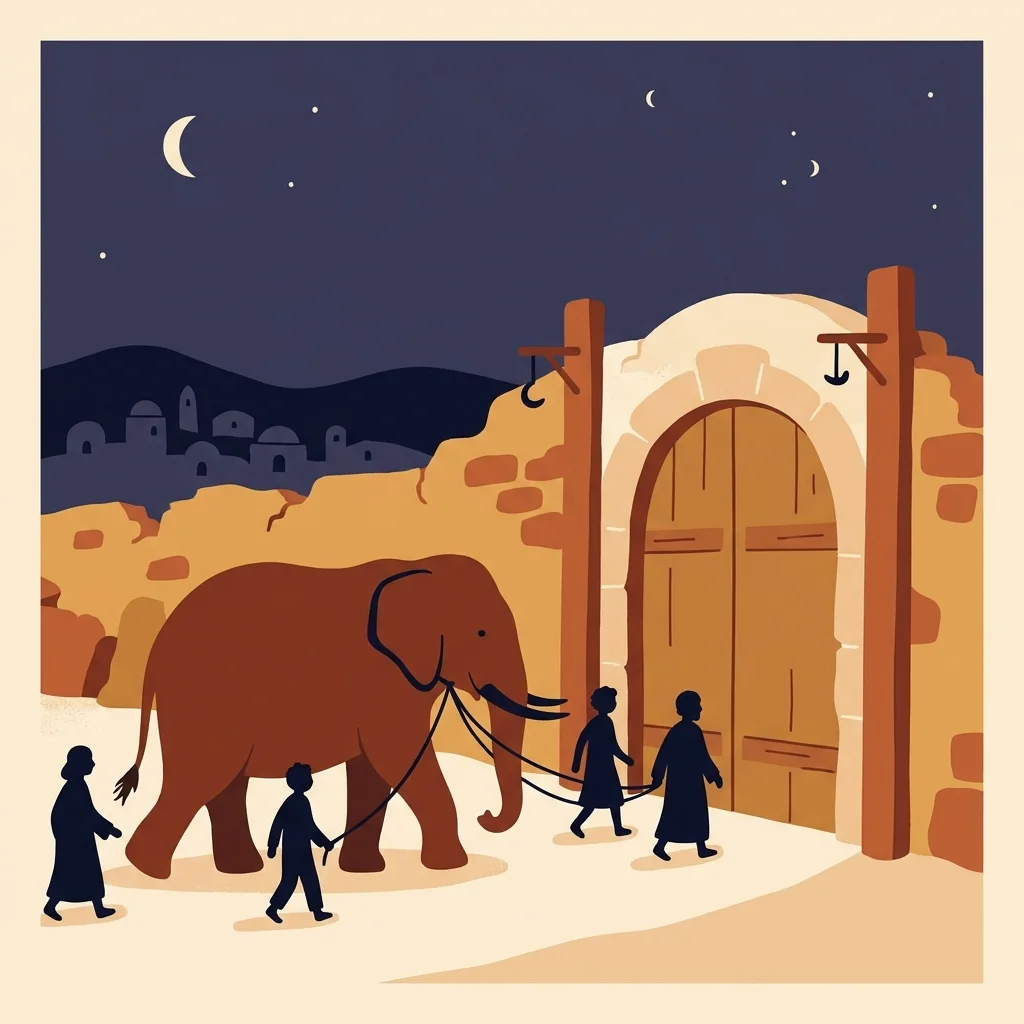
Some travellers bring an elephant to a town where no one has ever seen one.
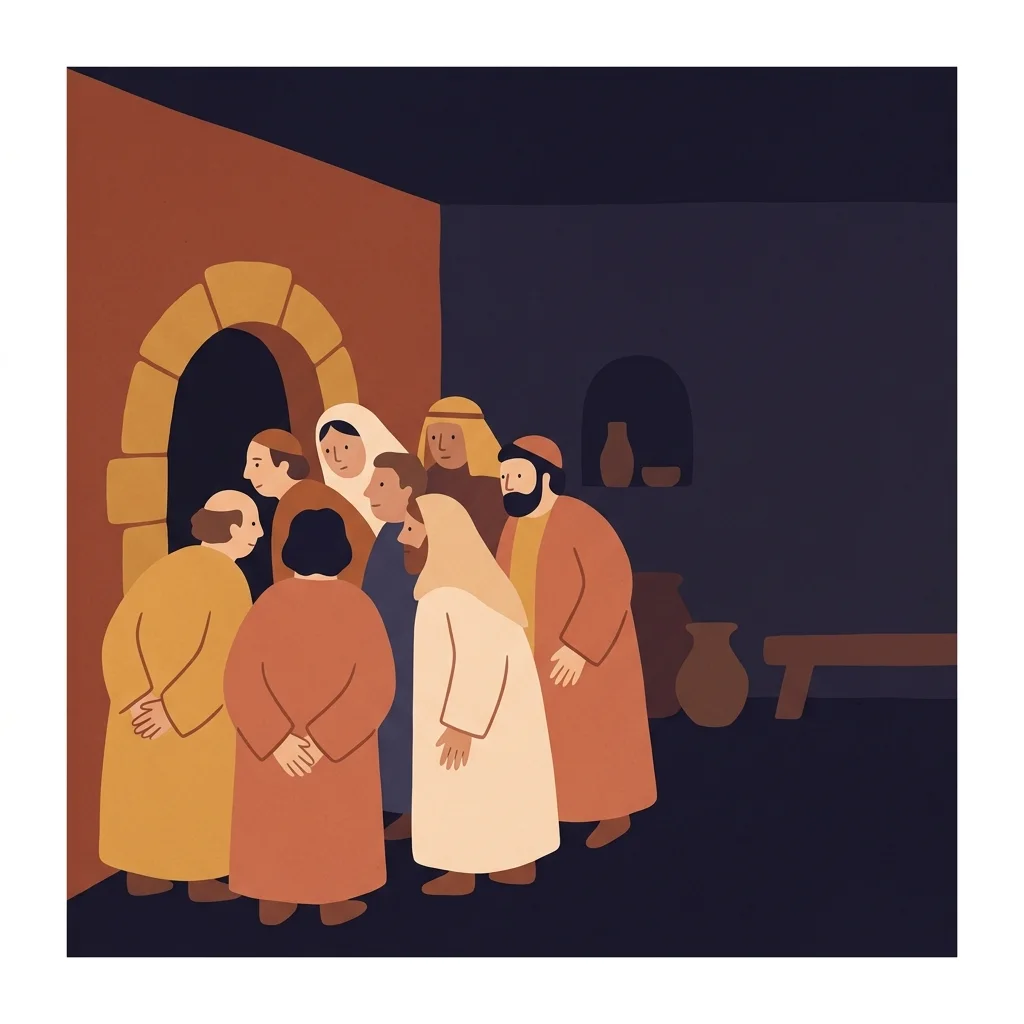
They keep it in a dark room. Curious people come at night to find out what an elephant is.
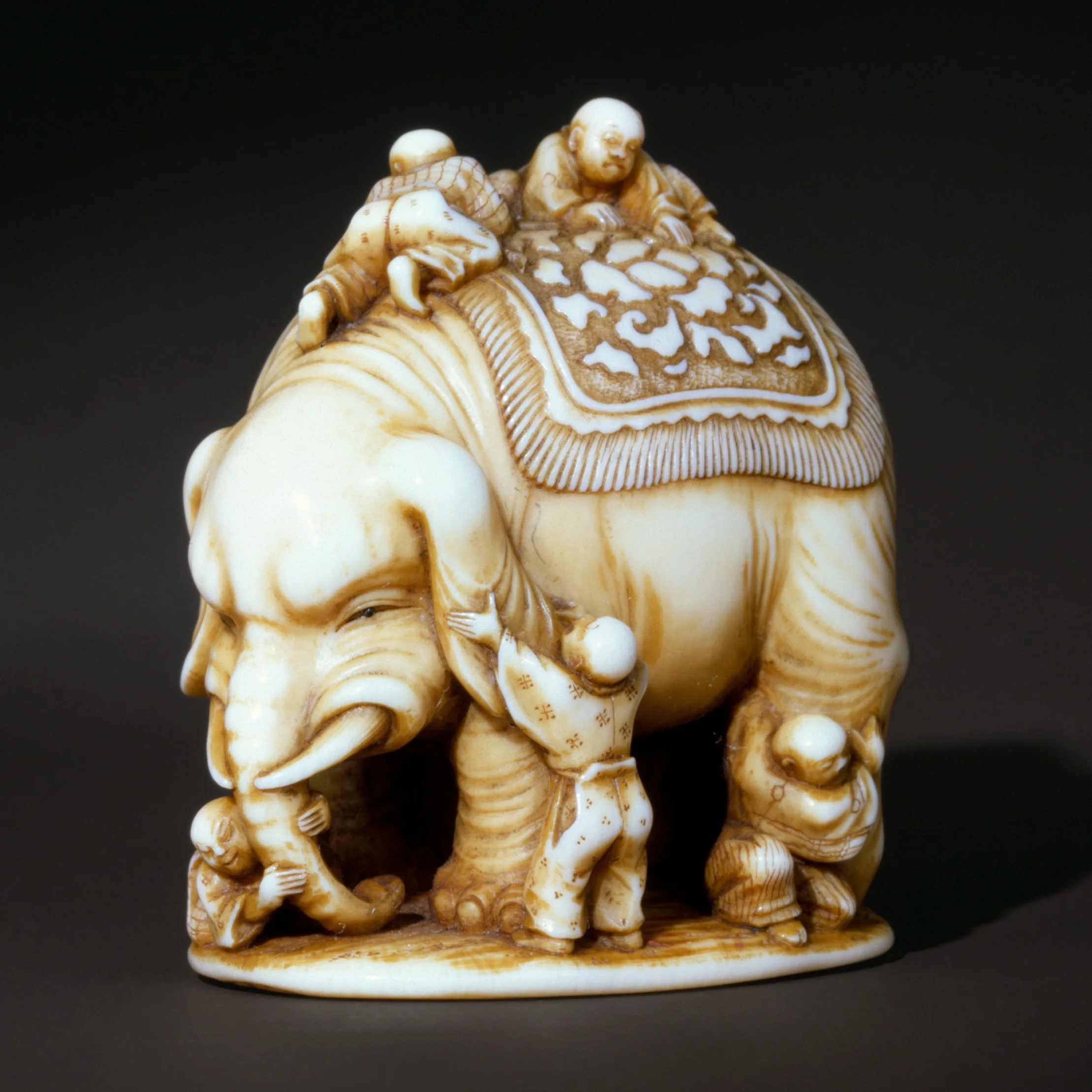
It is too dark to see. So each one reaches out and feels with a hand.
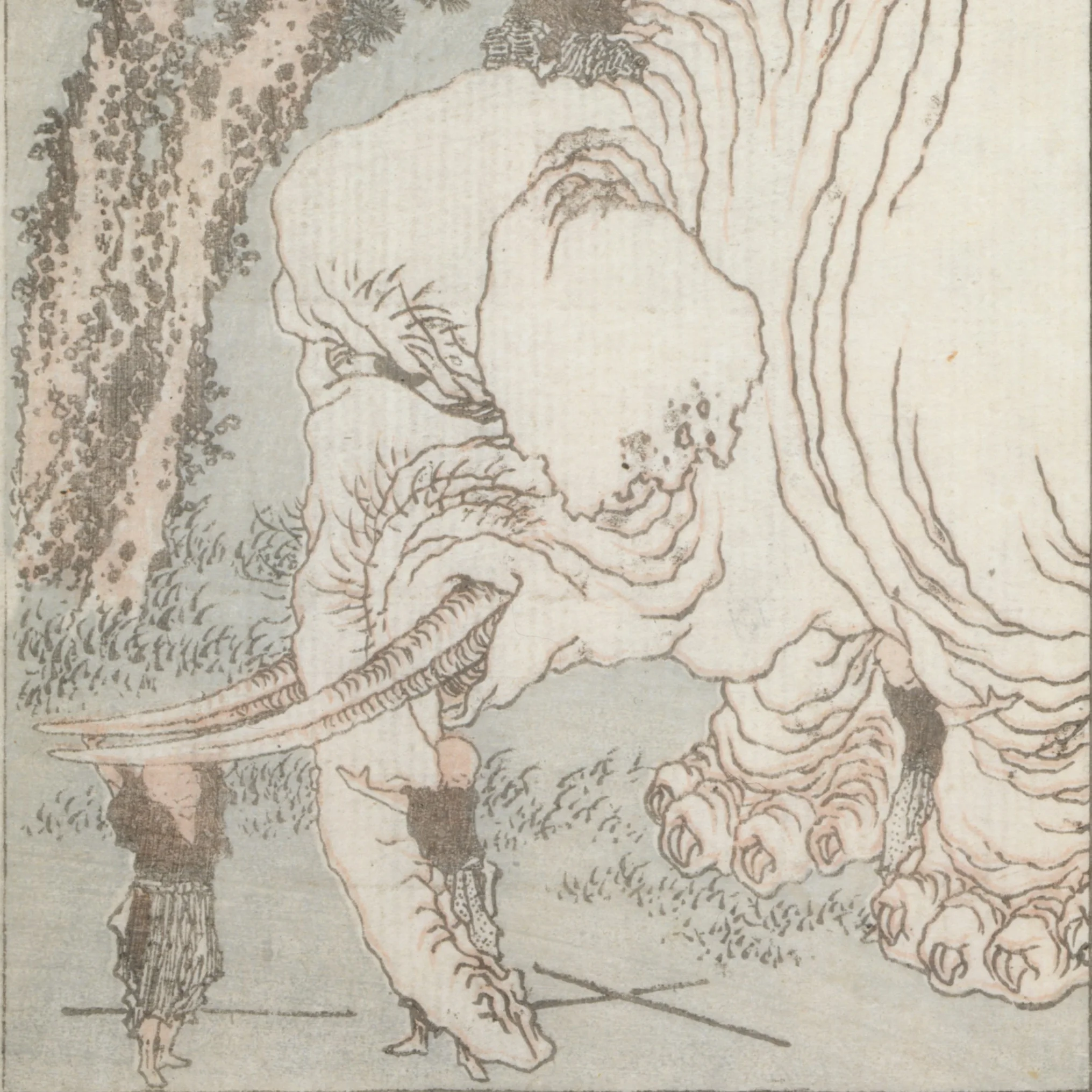
One touches the trunk. “An elephant is like a water pipe.”
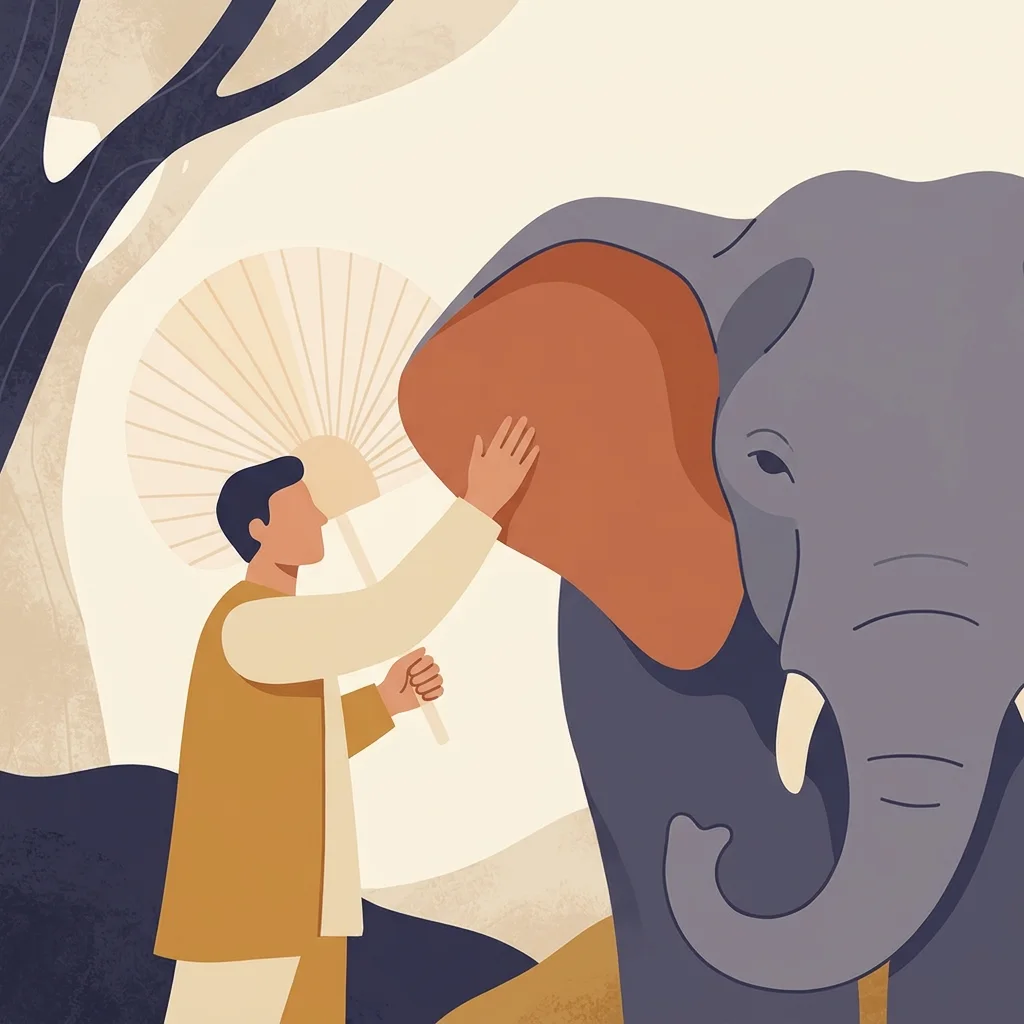
Another touches the ear. “No, it is like a great fan.”
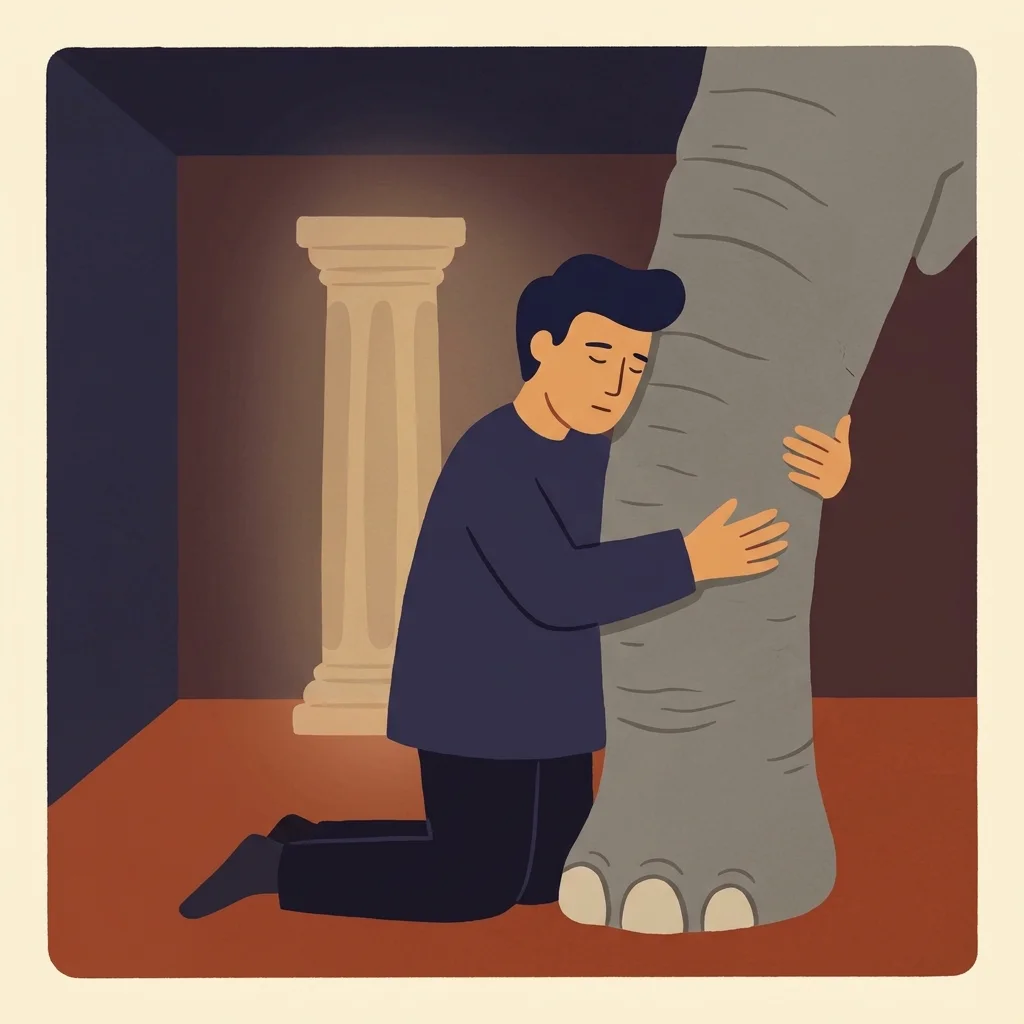
Another touches a leg. “You are both wrong. It is a pillar.”
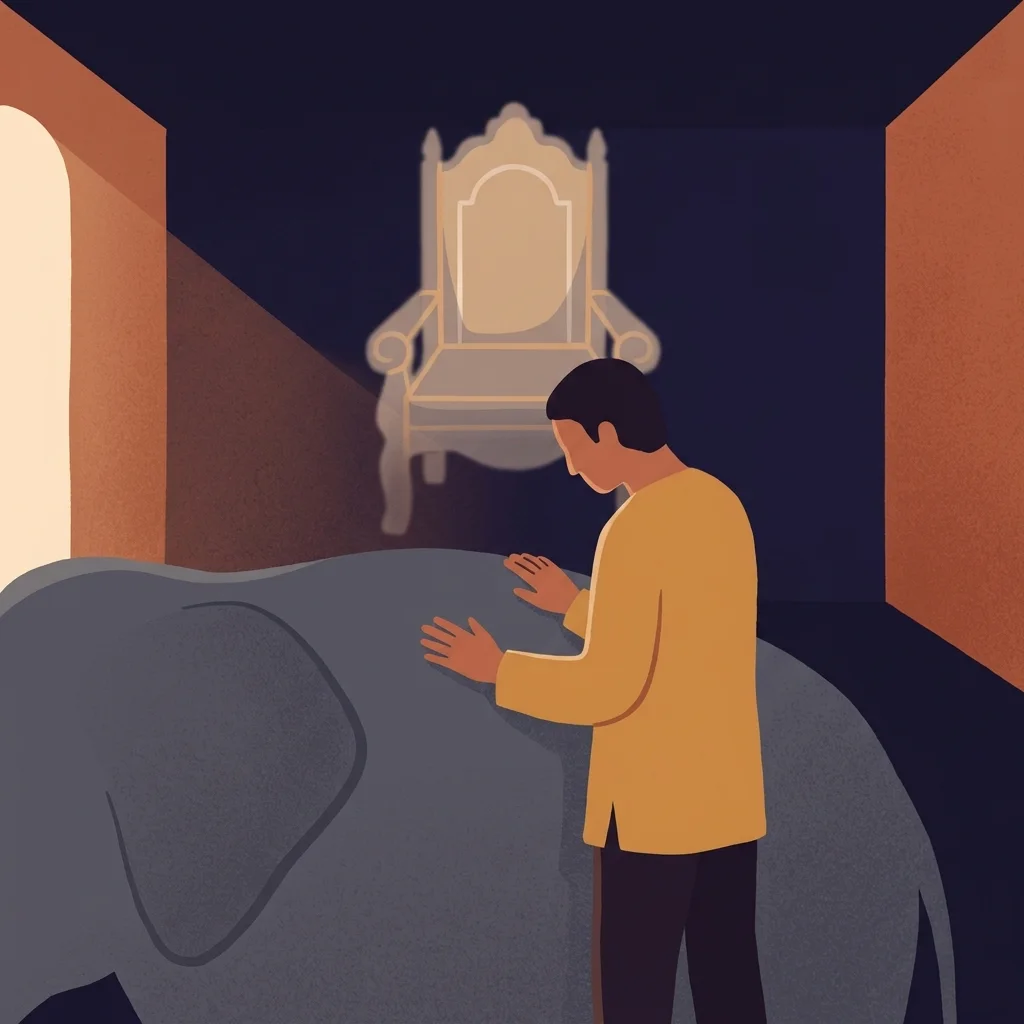
Another touches the back. “It is a throne.”
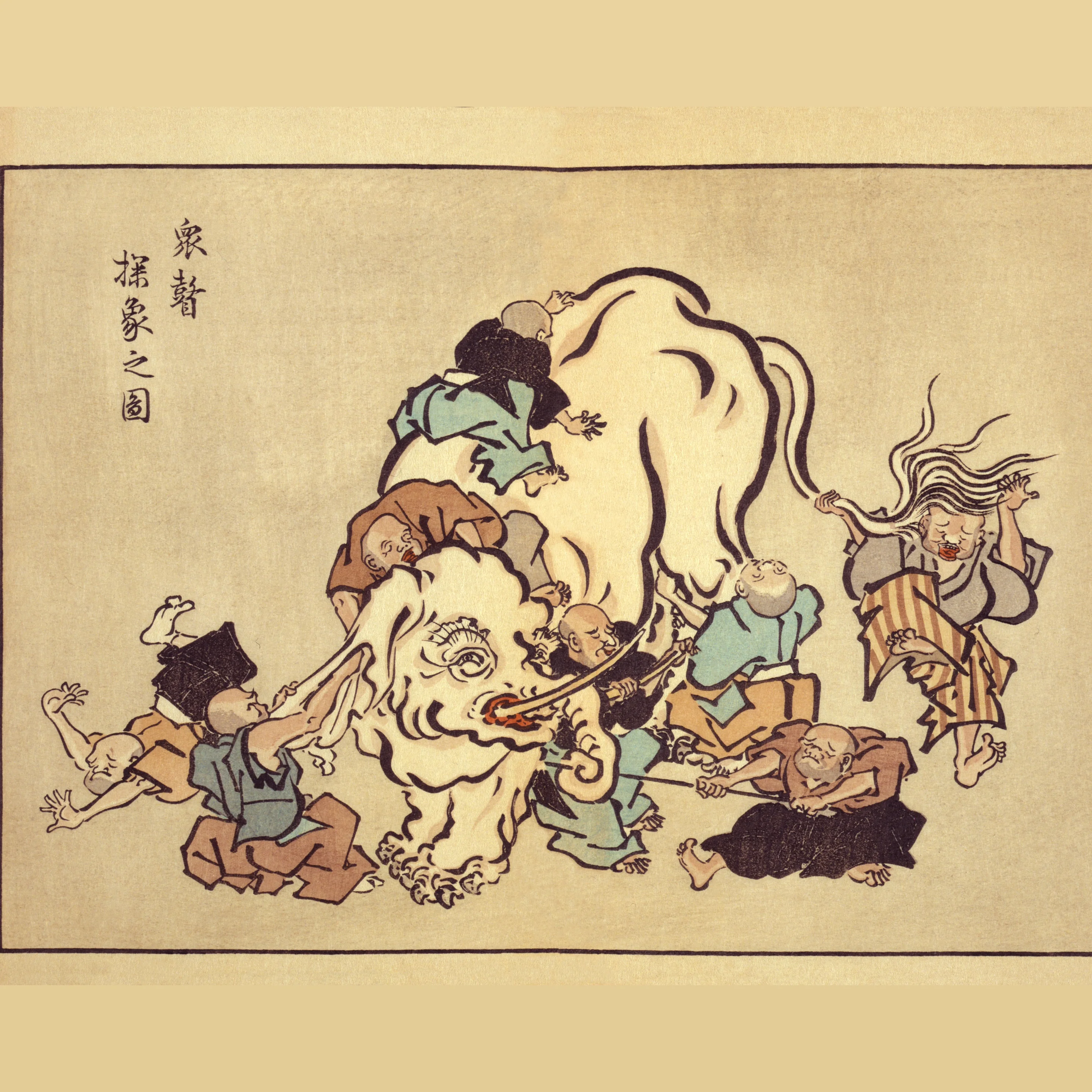
They argue all night. Each is right about what he touched, and wrong about the elephant.
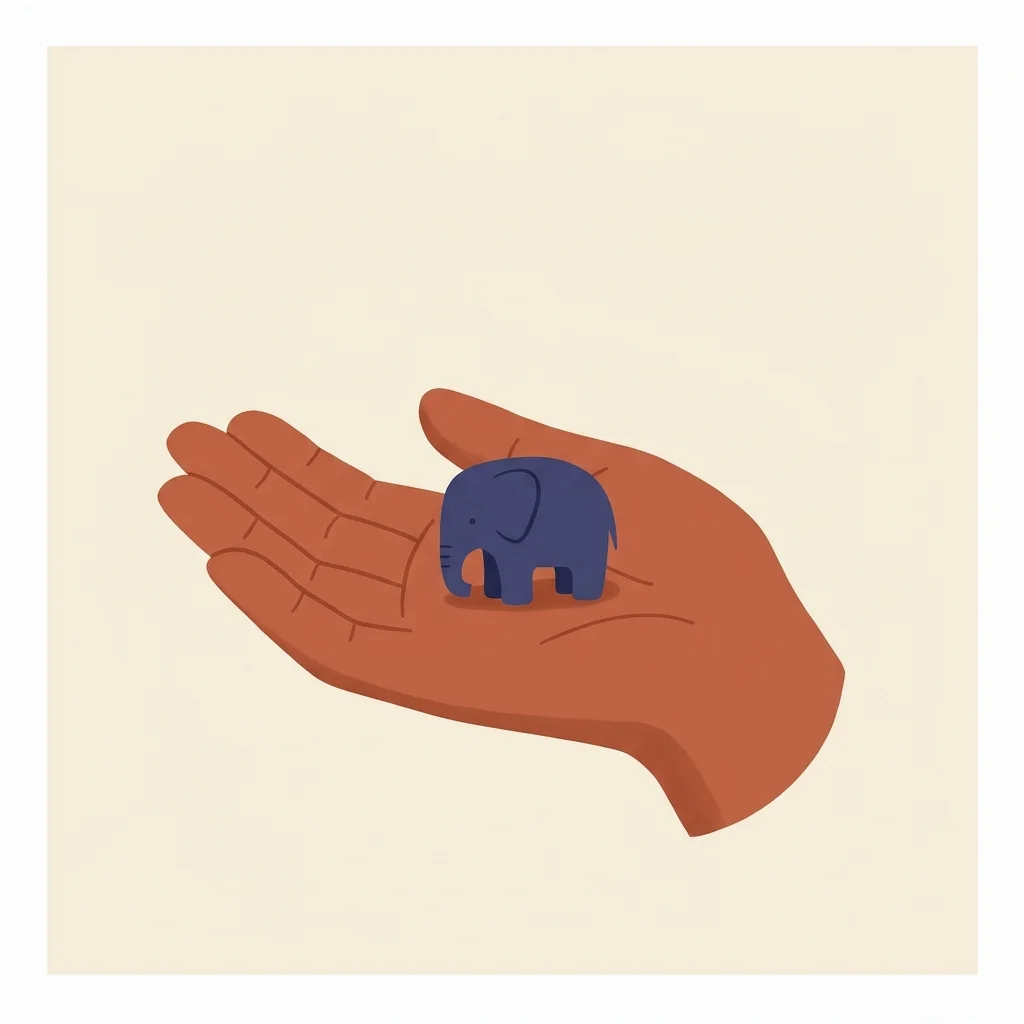
Rumi says: a hand can hold only a part. The senses give us pieces, and we mistake the piece for the whole.
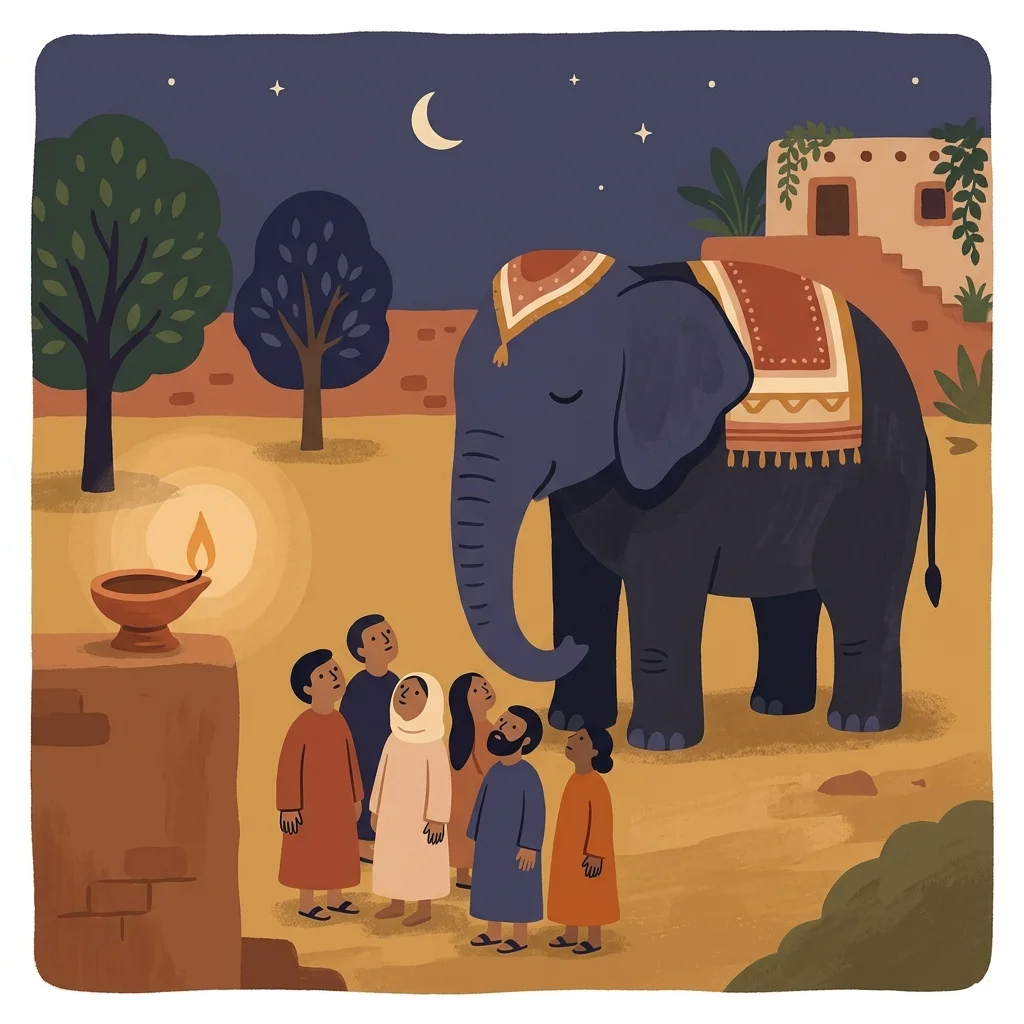
Had they had a light, he says, their quarrel would have ended. They would have seen one animal.

So too with the truth. The quarrels between paths are often quarrels in the dark, over the same elephant.
“The eye of outward sense is as the palm of a hand, / The whole of the object is not grasped in the palm.”
Rumi, Masnavi, Book III, Story 5, tr. E. H. Whinfield (1898)
Read the full text