Madhusudana Sarasvati
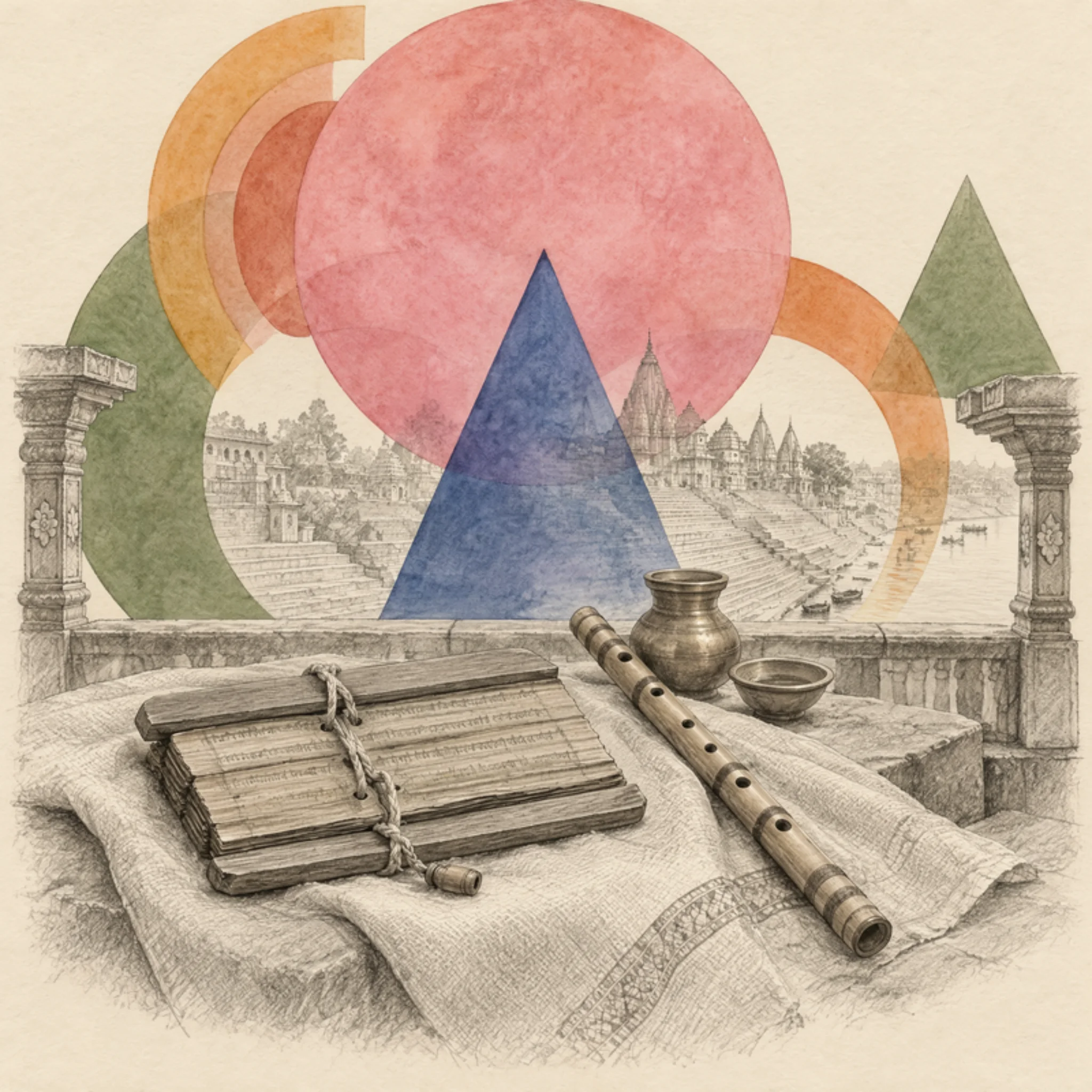
c. 16th century CE (exact dates uncertain) · Born in Bengal; taught in Varanasi
Life
Madhusudana Sarasvati was born in Bengal and taught in Varanasi. His Advaitasiddhi is a long, close reply to Vyasatirtha's Nyayamrita, an attack on Advaita from the dualist (Dvaita) school; it is still studied as a high point of Indian argument. He also wrote a commentary on the Bhagavad Gita, the Gudhartha Dipika, and a work on devotion, the Bhaktirasayana.
What they saw
Madhusudana held two things together that many thought were opposed: strict non-duality and warm devotion. Knowledge frees, he said, and devotion to Krishna makes the heart ready and is sweet in itself, even for the one who knows.
For him, devotion ends in not two. One can love the whole as Krishna without forgetting that the lover and the beloved are not two. He is remembered for saying, at the close of his Gita commentary, that he knows no reality higher than Krishna.
In their words
In paraphrase: I know no truth beyond Krishna.
Madhusudana Sarasvati, closing verse of his commentary on the Gita (Gudhartha Dipika), as commonly cited; paraphrase
Where this path meets the others
His union of knowledge and love is close to Rumi, for whom love is the way to the end of separation. See Rumi and the Upanishads.
Love does not need two in the end.
Works
- Advaita Siddhi16th century CE
- Gudhartha Dipika (on the Bhagavad Gita)16th century CE
- Bhakti Rasayana16th century CE
Further reading
- Bhagavad-Gita with the Annotation Gudhartha-Dipika, tr. Swami Gambhirananda (in copyright, for further study)
Next on your path
Sources
- Dates: often given as about 1540 to 1640; uncertain.
- The closing words of the Gudhartha Dipika are cited from secondary sources and paraphrased; the verse placement should be checked.