Hastamalaka
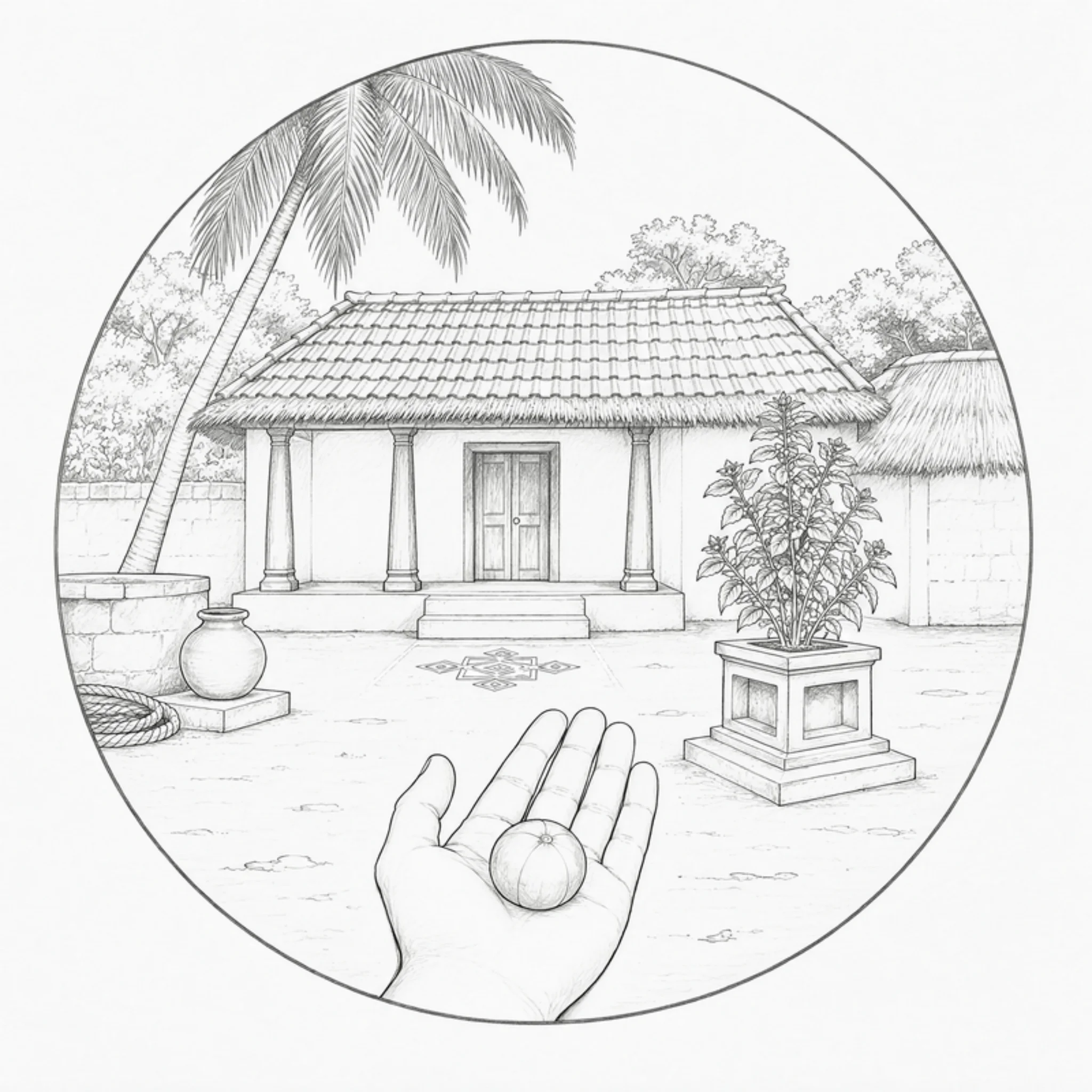
c. 8th century CE · India; by tradition the first head of the monastery at Dwarka
Life
Hastamalaka was the fourth of Shankara's direct students named by the tradition. The story goes that his father brought him to Shankara because the boy never spoke and seemed simple. Shankara asked him: who are you, whose son, where are you going? The boy answered in verses, saying he was none of the roles the question assumed, but awareness itself. Shankara said the boy knew the Self as clearly as one sees a gooseberry (amalaka) held in the hand (hasta), and so he was named Hastamalaka. His verses are called the Hastamalakiyam. Tradition makes him the first head of the monastery at Dwarka.
What they saw
His verses answer the question by setting aside every answer that could be pointed to. I am not a human being, nor a god. I have no caste. I am not a student, householder or renunciate. I am the awareness that is my own nature, in which the mind and senses do their work, as the world goes about its business in the light of the sun.
The sun does nothing to make people work. Its presence is enough. So awareness does not drive the mind; the mind moves in its light. This is the witness. No one is watching; there is only the presence in which everything is known.
In their words
Paraphrase of the opening reply (verse 2 where Shankara's question is counted as verse 1): I am not a human being, nor a god; I belong to no caste and no stage of life; I am awareness itself.
Hastamalakiyam, paraphrase made for notdual.org
Where this path meets the others
His sun image is close to the witness as this site uses the word, and to the Meeting with Krishnamurti, who agrees that the observer is thought but does not name a witness. Ramana Maharshi taught the same question, “who am I?”, twelve centuries later.
Ask “who am I?” and set aside every answer you can point to.
Works
- Hastamalakiyamc. 8th century CE
Further reading
- Hastamalakiyam with commentary (traditionally attributed to Shankara; many translations)
Next on your path
Sources
- The story of the boy and the gooseberry is traditional, told in the lives of Shankara; it cannot be checked historically.
- Hastamalakiyam: paraphrased here; the sun image is from its verses.