Akho (Akha Bhagat)
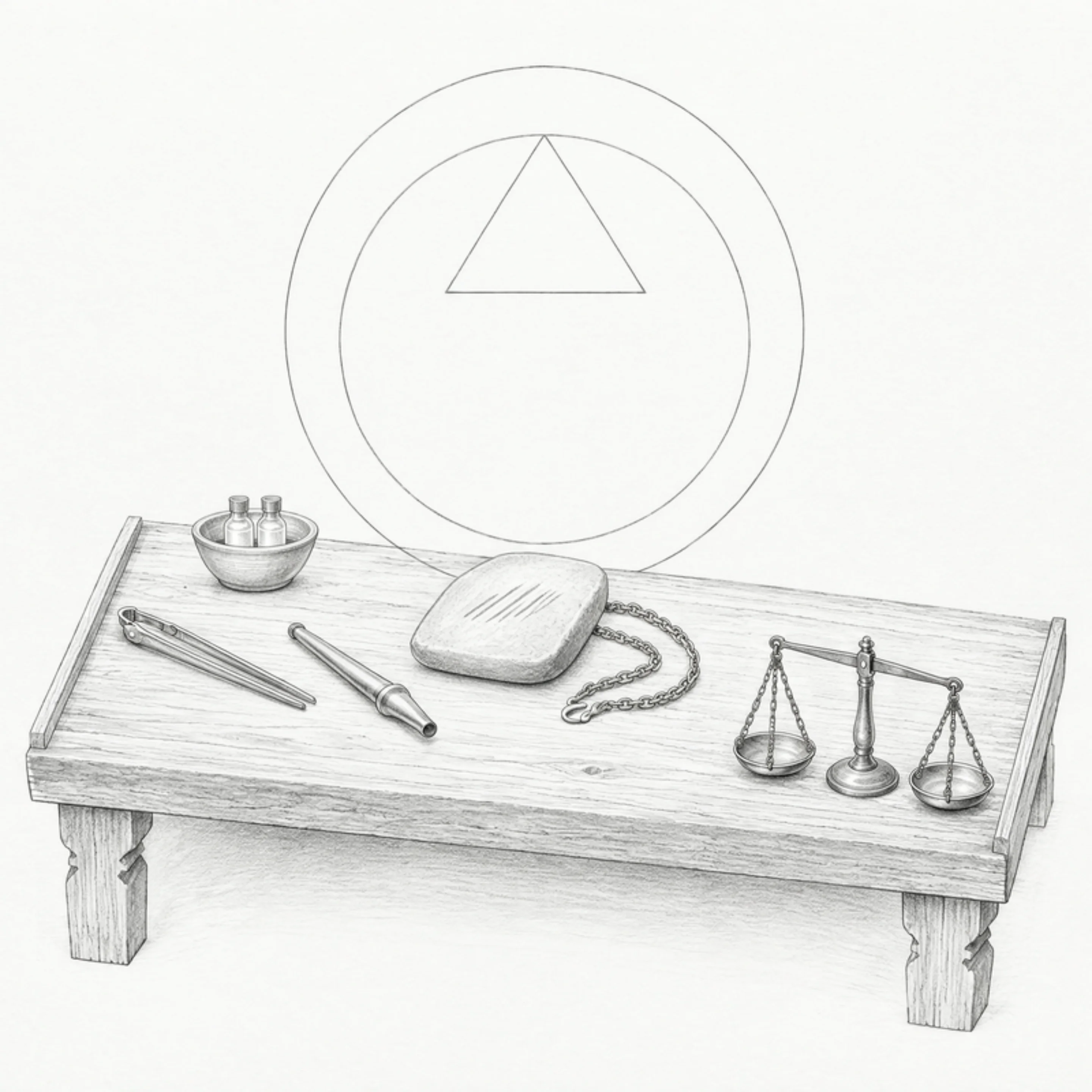
About 1615 to about 1675 · Ahmedabad, Gujarat
Life
Akha Rahiyadas Soni was a goldsmith in 17th-century Ahmedabad; tradition says he also worked at the Mughal mint. The story of the necklace, told about him for centuries, explains why he gave up his trade. He went to Gokul and other centres looking for a teacher, found that many were hollow, and later learned Vedanta from a teacher in Varanasi. He wrote in Gujarati. His works are the Akhegita (1649) and hundreds of chhappas, six-line verses of satire.
What they saw
Akho's chhappas laugh at pilgrims, priests and pundits, at people who bathe in pilgrimage rivers and stay the same.
Beneath the satire is plain Advaita: one reality, the Self; the world as its appearing; caste and sect as mistaking the body for the Self.
He wrote for traders and artisans, not scholars, and is still quoted in Gujarati as a proverb. He is the bridge between India's devotional poets and its philosophers.
In their words
In paraphrase: you bathe at every holy place and come back the same; you change your clothes and keep your heart.
After Akho's chhappas; paraphrase, not a quotation.
Where this path meets the others
Akho's satire stands beside Kabir's, and his Vedanta beside Shankara's. See Kabir and Narsinh Mehta.
He tested the gold and found the goldsmith.
Works
- Akhegita1649
- Chhappas17th century
Further reading
- Umashankar Joshi, Akho: Ek Adhyayan (Gujarati; in copyright)
Next on your path
Sources
- General literary histories of Gujarati for the life and works; dates approximate.
- The necklace story is tradition. The mint is tradition.