Yajnavalkya and Maitreyi
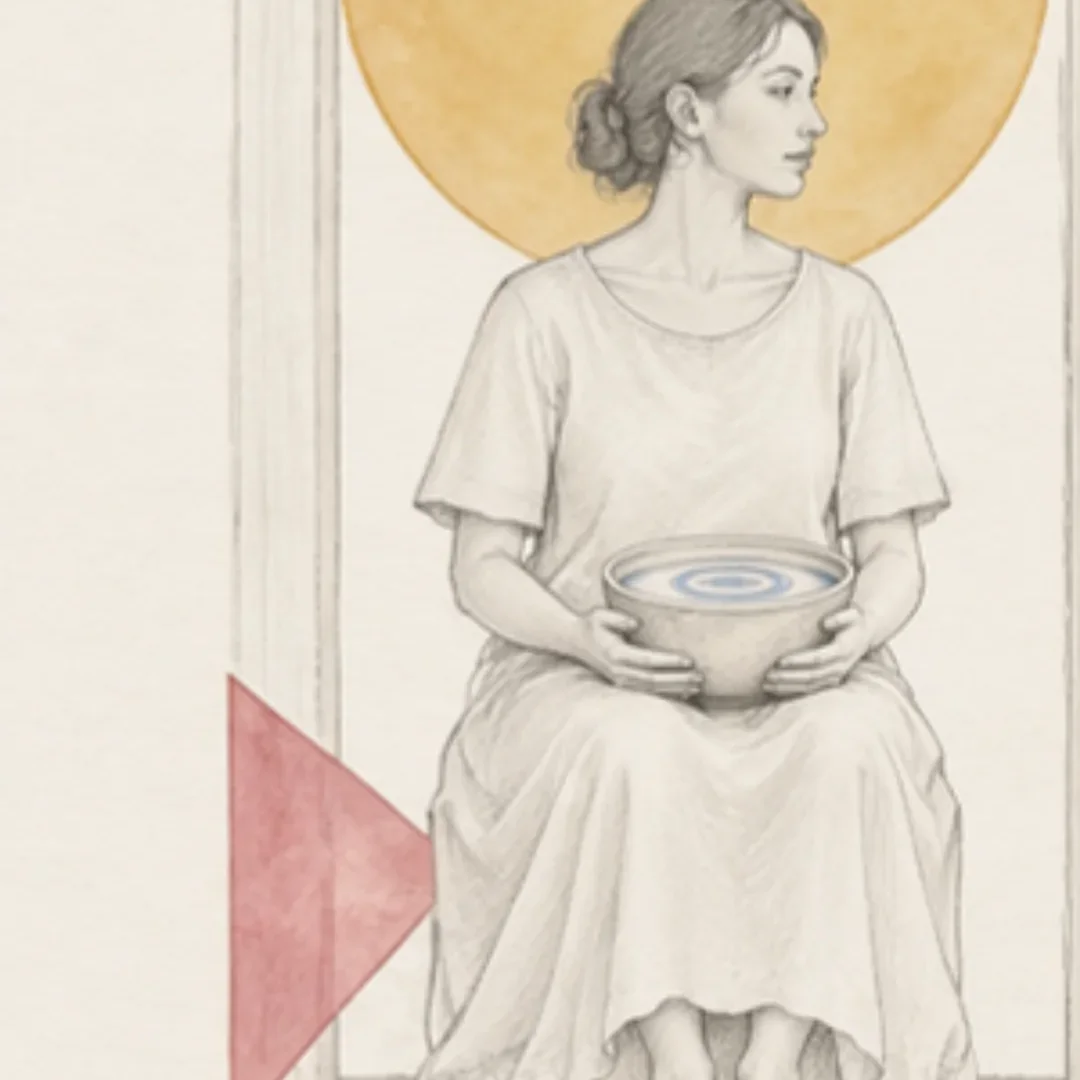
The sage Yajnavalkya is leaving home to live as a wandering monk. He has two wives, Maitreyi and Katyayani.
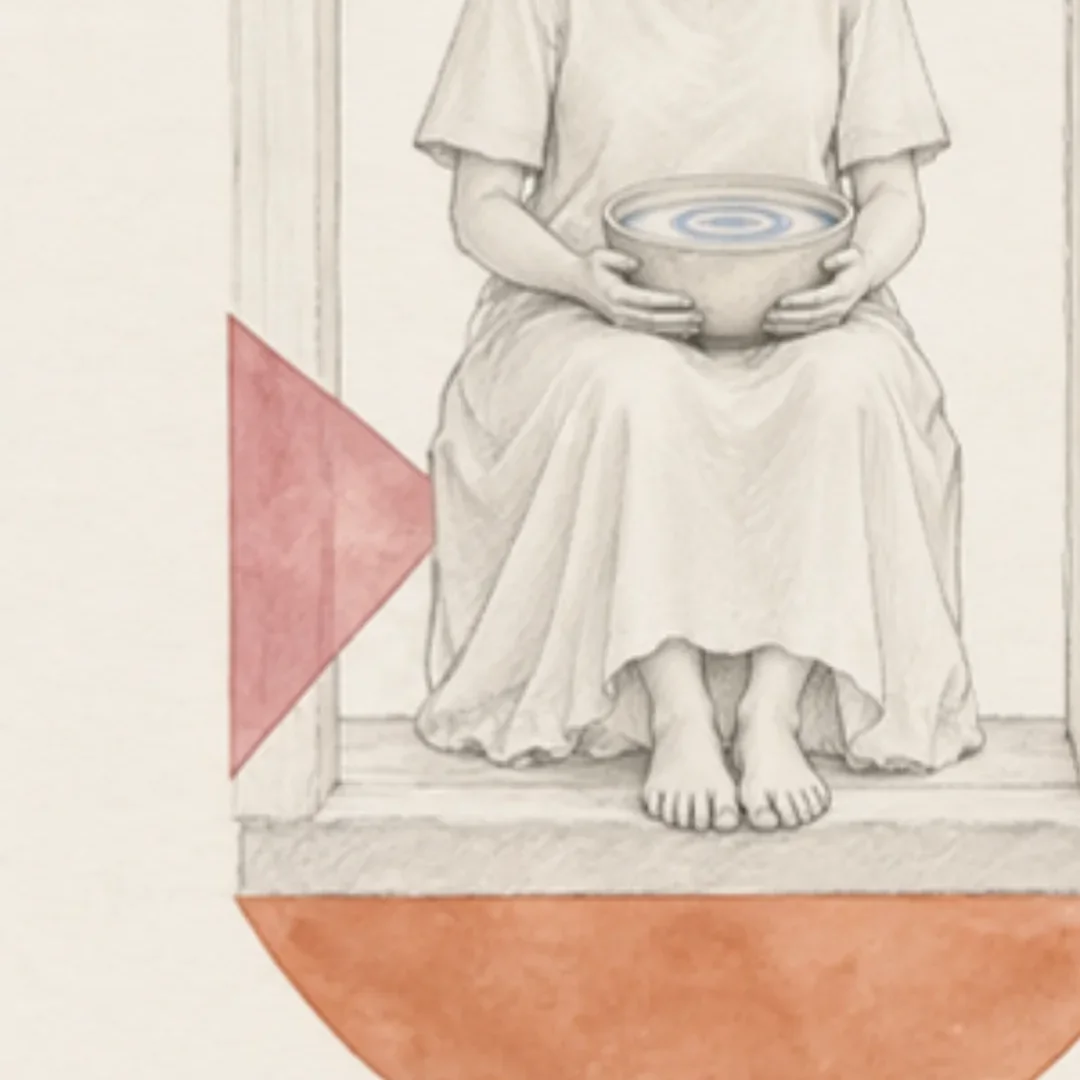
“Let me divide what I own between you,” he says to Maitreyi, “before I go.”
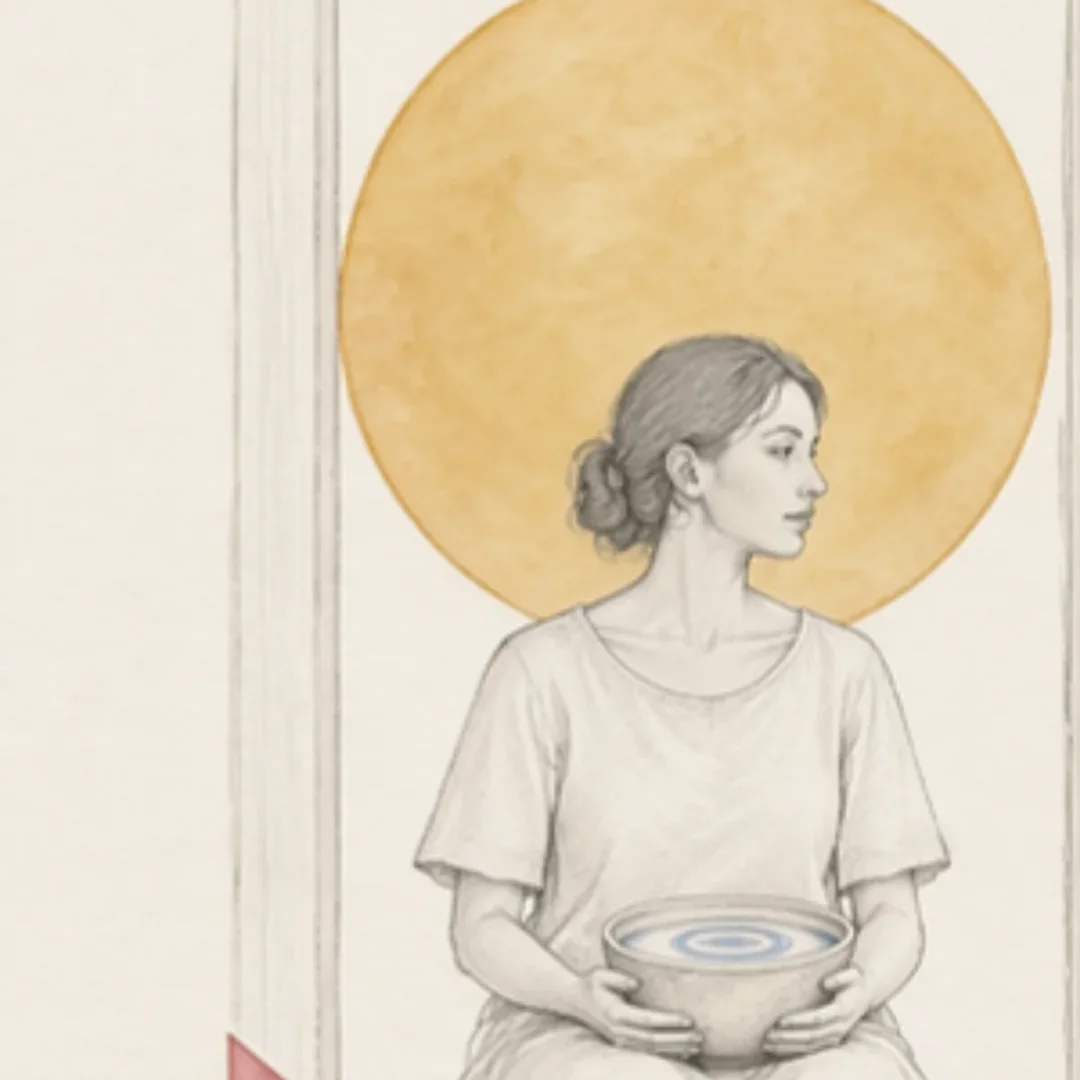
Maitreyi asks: “If the whole earth, full of wealth, were mine, would it make me free of death?”
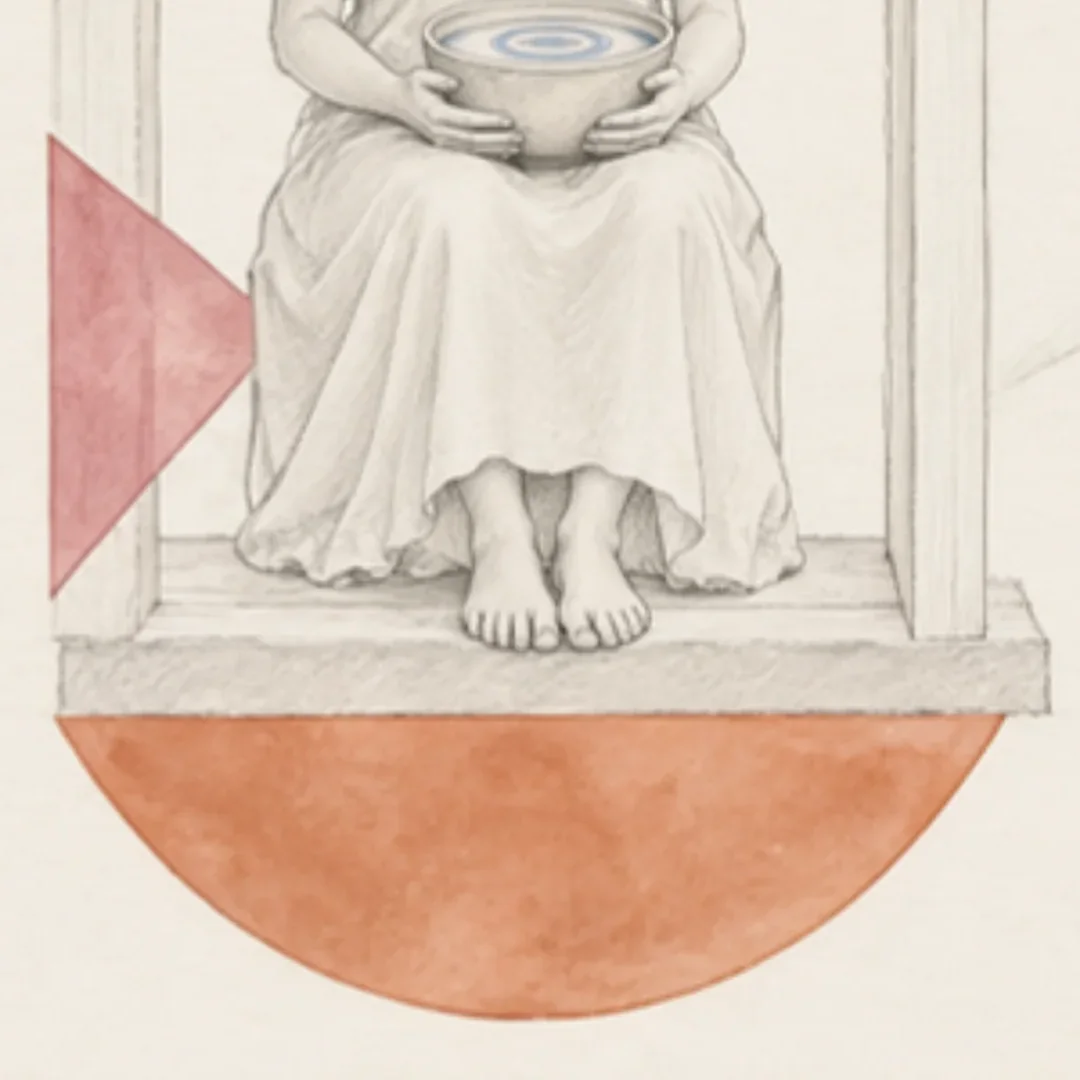
“No,” he says. “Your life would be like the life of the rich. There is no hope of deathlessness through wealth.”
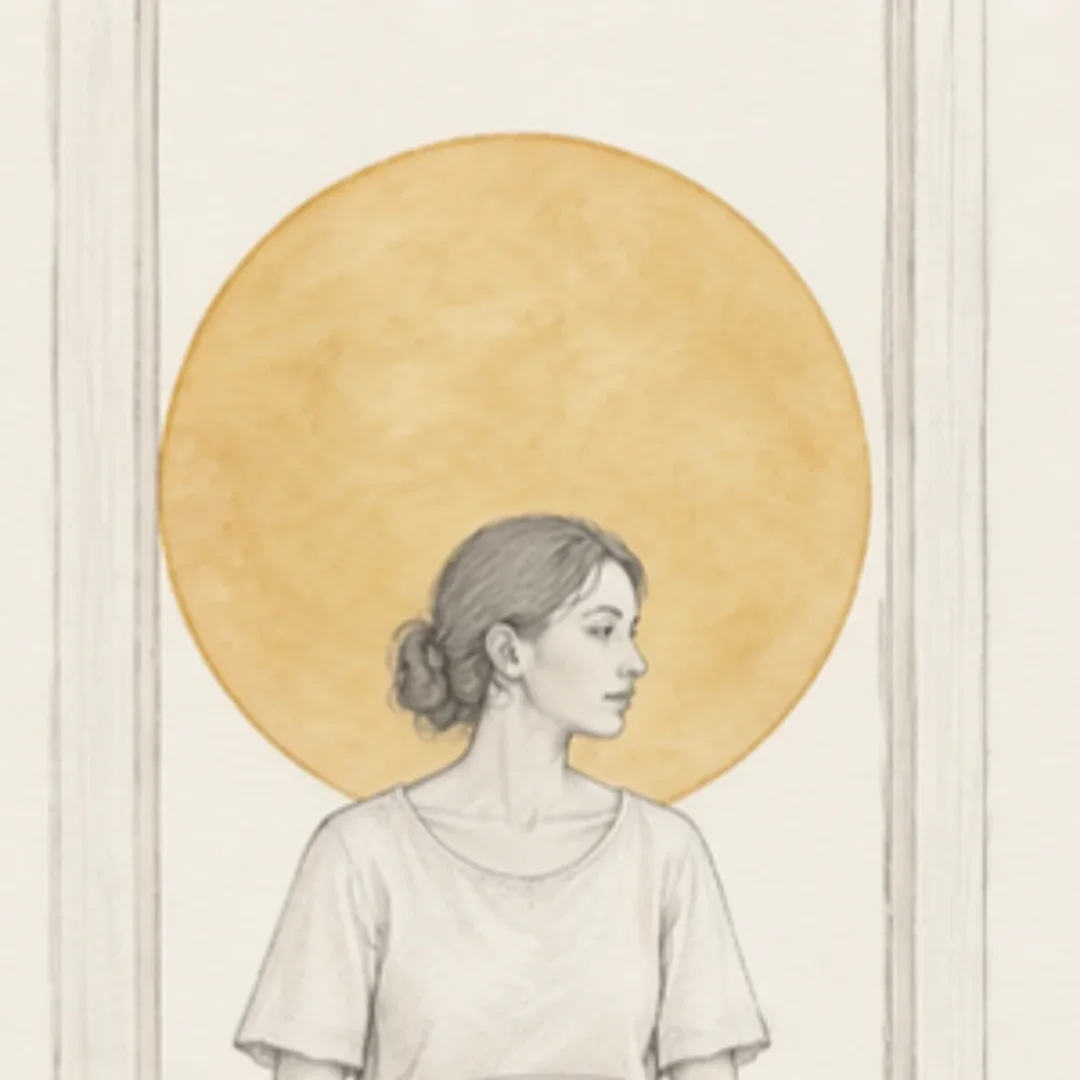
“Then what should I do with what will not make me free?” she says. “Tell me what you know.”
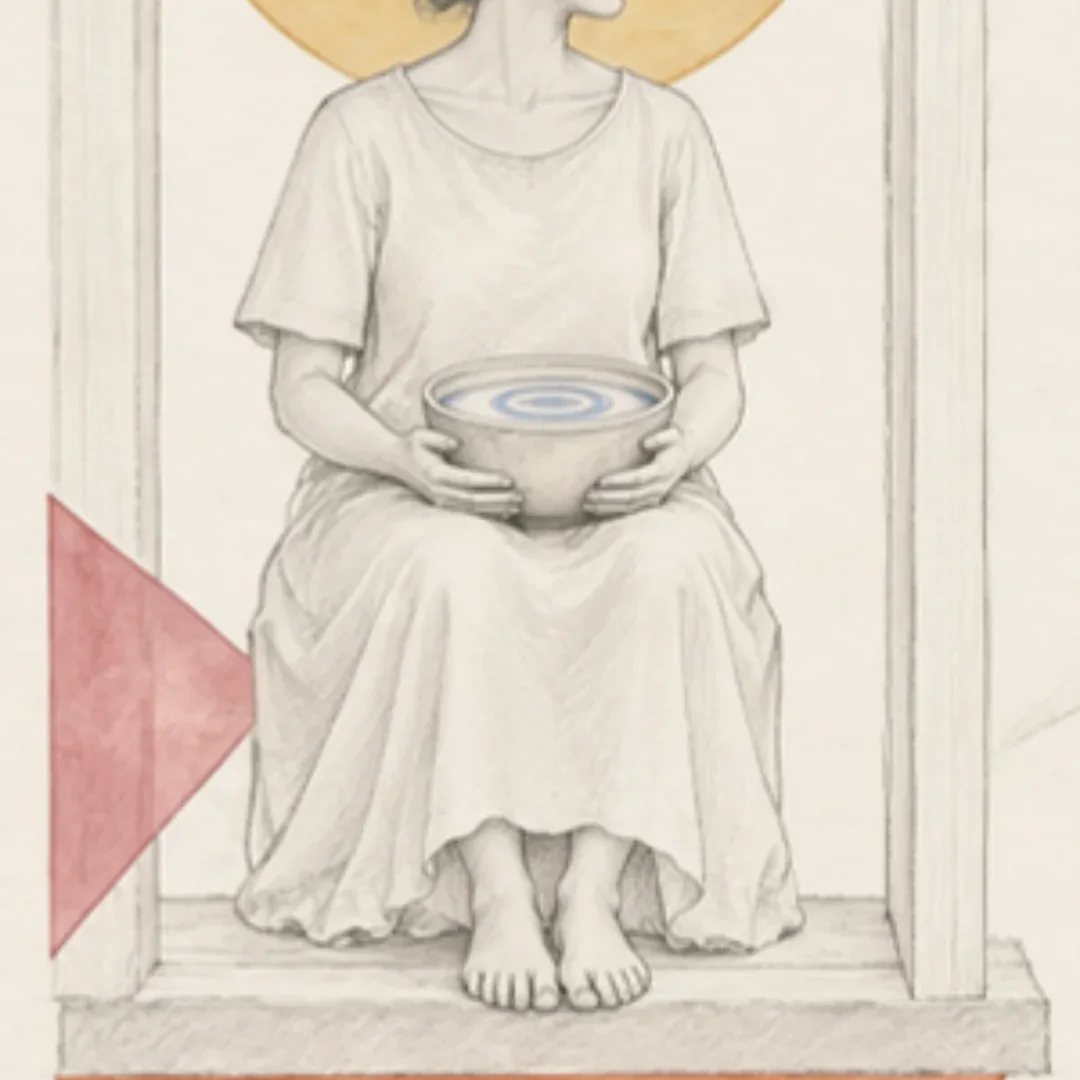
Yajnavalkya is glad. “You were dear to me before,” he says, “and now you ask what is dearest. Sit, and I will explain.”
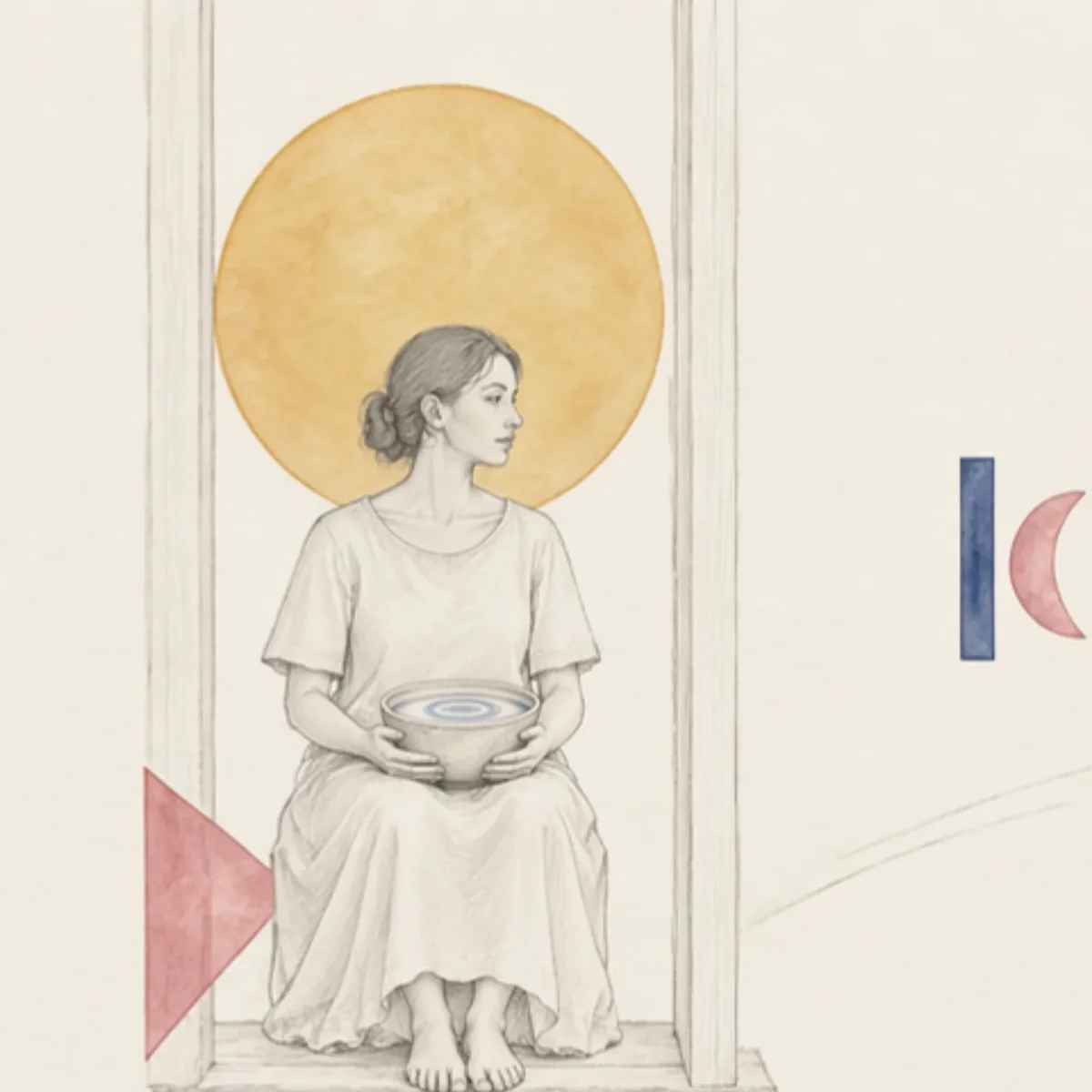
“A husband is not dear for the husband's sake. He is dear for the sake of the Self. So with a wife, children, wealth, the whole world.”
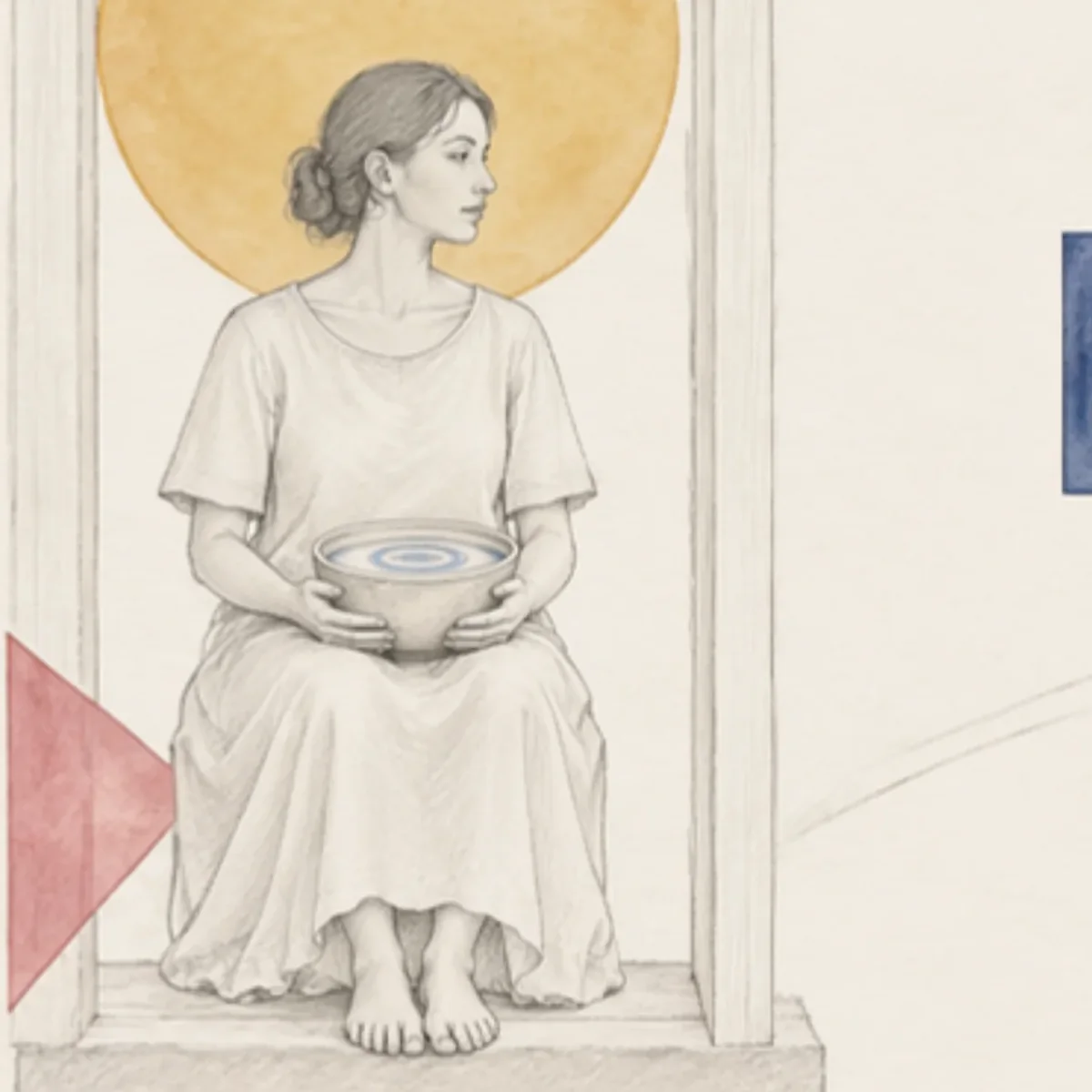
“So the Self is what must be seen, heard of, thought about and known. Know it, and all this is known.”
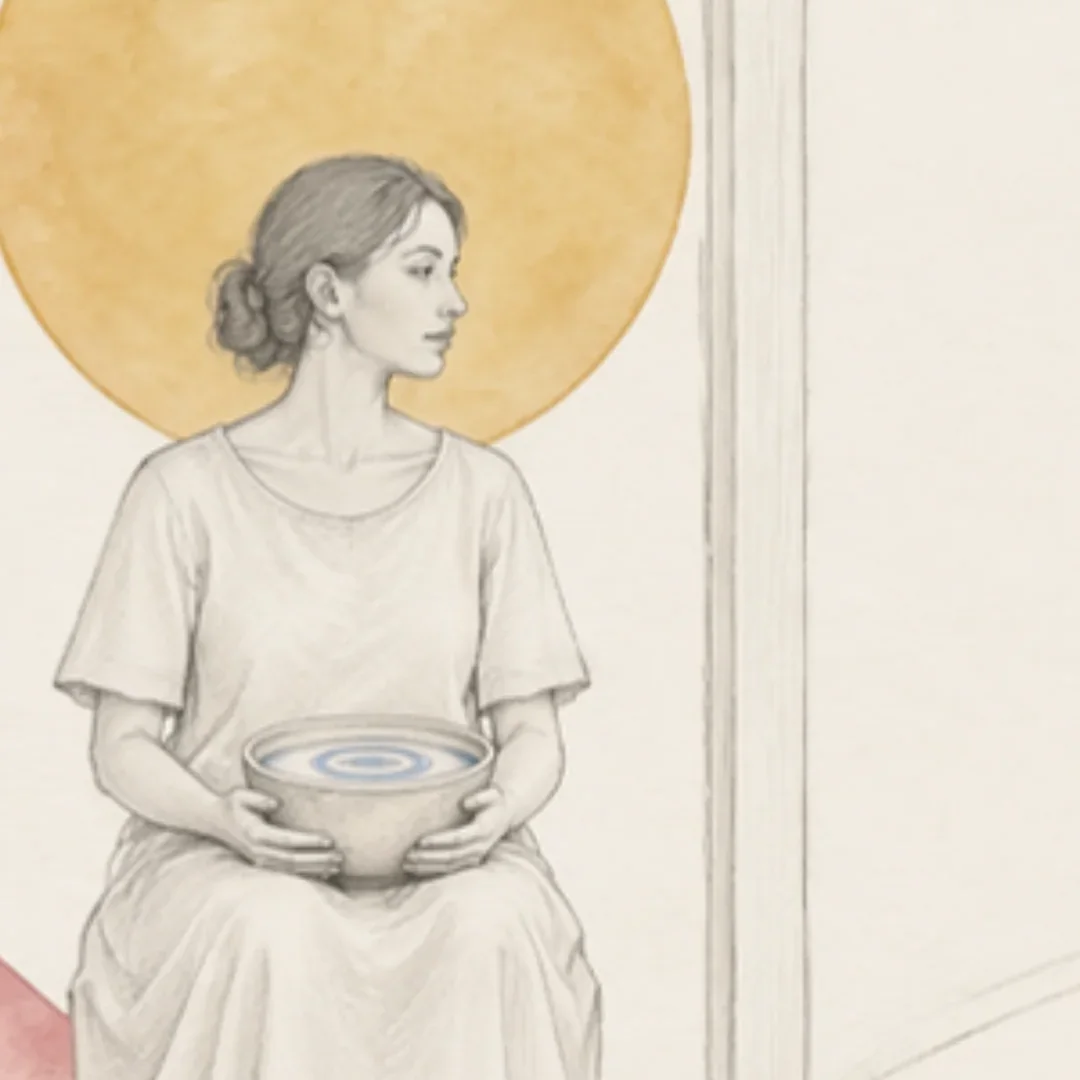
“Drop a lump of salt in water. It dissolves, and you cannot take it out again. But taste the water anywhere: it is salt.”
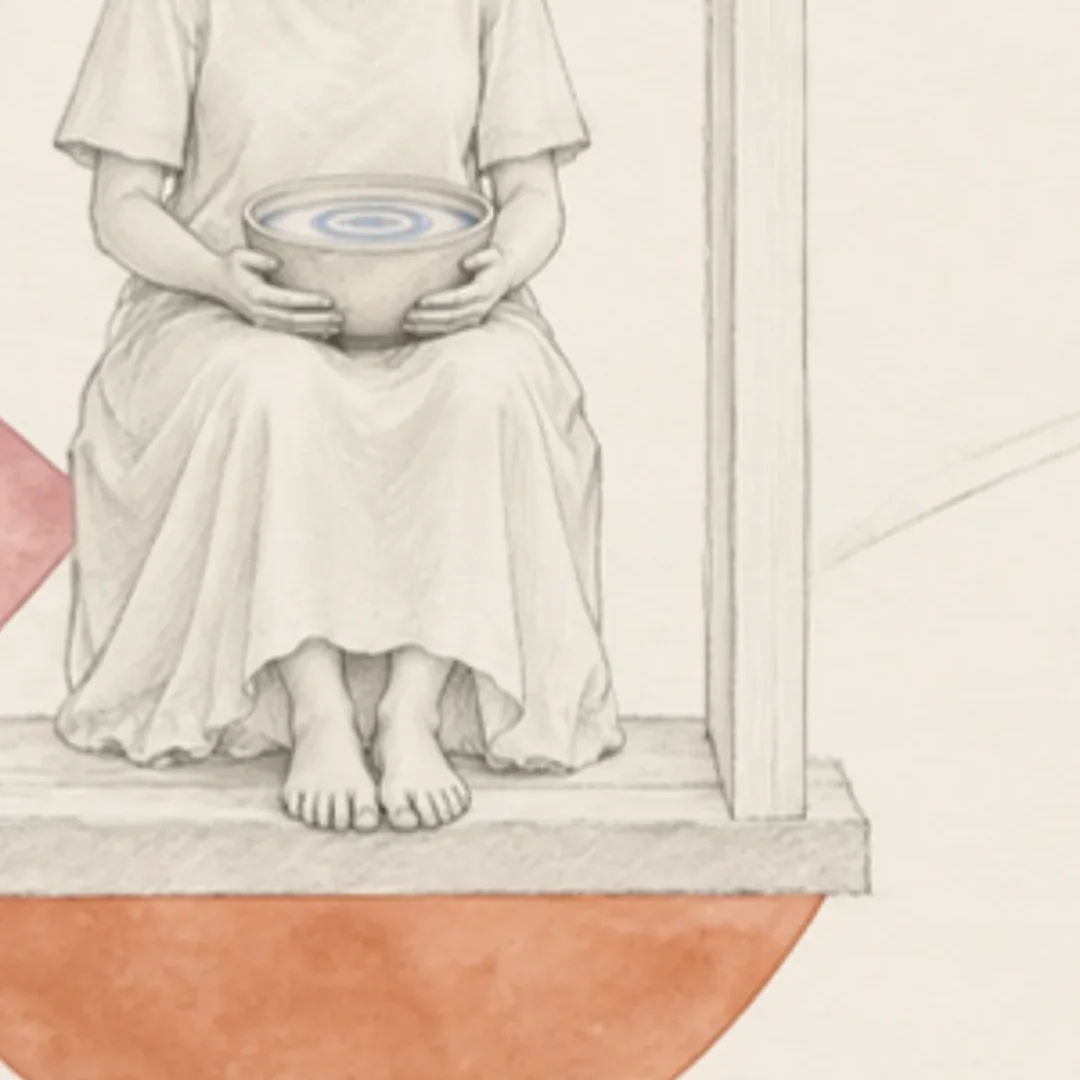
Maitreyi is puzzled. Yajnavalkya says: “Where there seems to be two, one sees another. But where everything has become the Self, by what could one see what?”
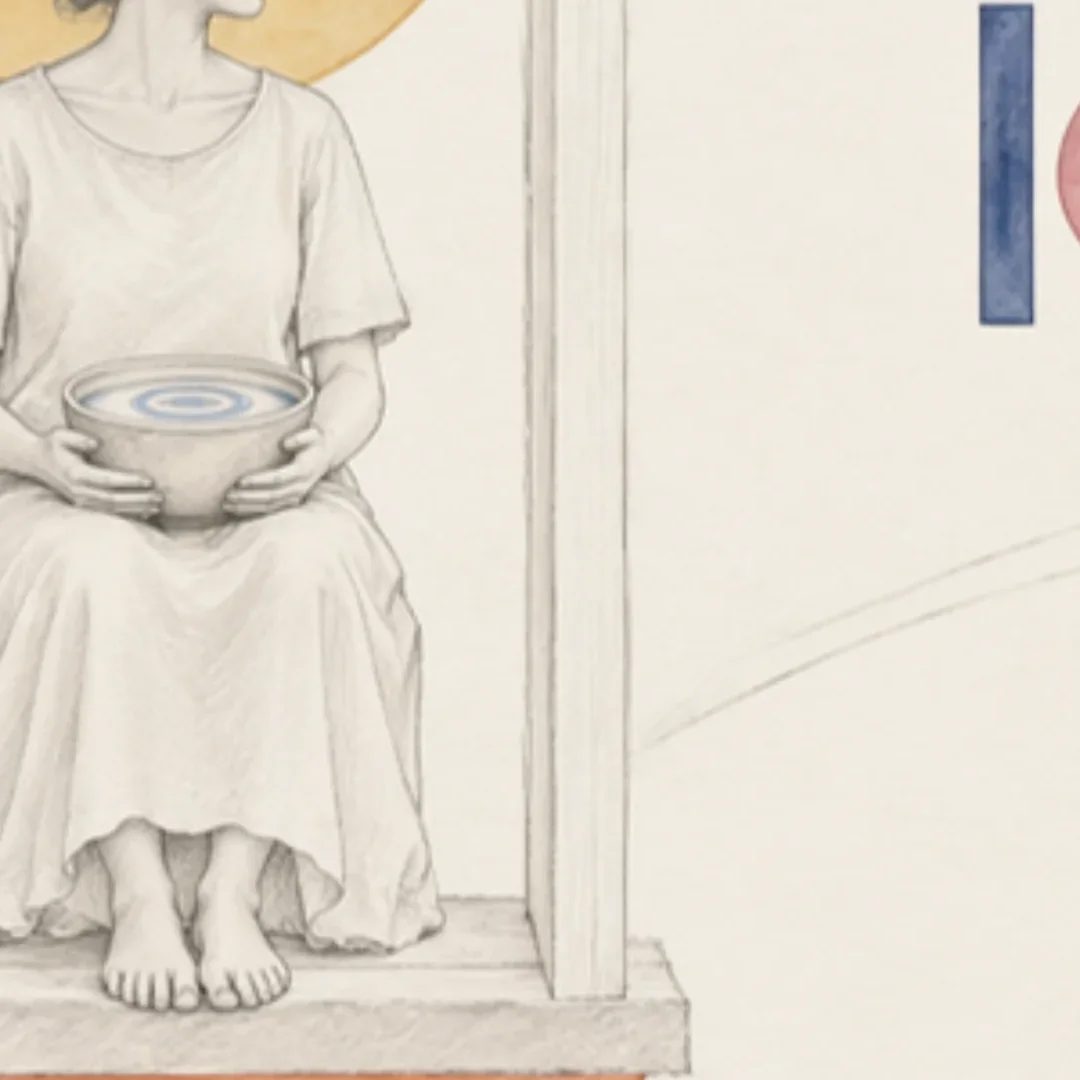
“How could you know the one by whom you know everything? How, dear, could you know the knower?”

He goes into the forest. She stays, with the one thing that cannot be divided.
“Verily, a husband is not dear, that you may love the husband; but that you may love the Self, therefore a husband is dear.”
Brihadaranyaka Upanishad 2.4.5, tr. Max Müller (1884)
Read the full text