Ryokan Taigu
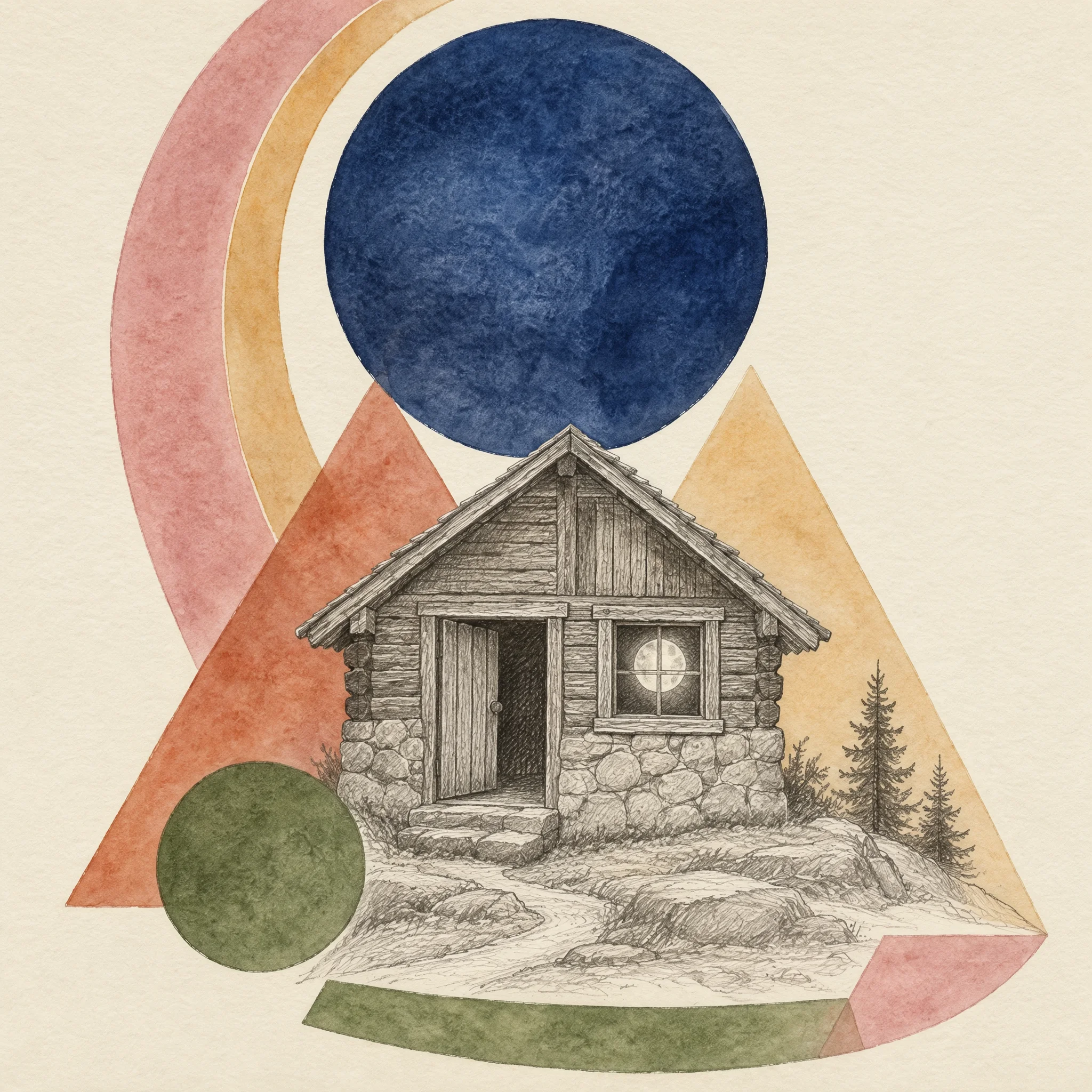
1758 to 1831 · Izumozaki, Echigo province (Niigata), Japan
Life
Ryokan was born in 1758, the eldest son of a village headman and poet in Izumozaki on the Japan Sea coast. He left home to become a Soto Zen monk, trained for about twelve years under Kokusen at Entsu-ji, then wandered and finally settled in a hut, the Gogo-an, on Mount Kugami. He begged for food, wrote poems in Japanese and Chinese, made fine calligraphy and played with the village children. In old age he befriended a young nun, Teishin, who collected his poems after his death in 1831. He called himself Taigu, Great Fool.
What they saw
Ryokan never founded anything or taught a method. His poems are about rain, begging bowls, children's games, fleas, the cold. They are honest about loneliness and age.
He had nothing to protect. He let the children win, gave away what he had, and wrote that he had no wish to be anyone in particular. The name Great Fool was a joke and a teaching: cleverness is one more thing to carry.
He is the Japanese picture of the one free while living, with no outward mark except, perhaps, that he was poorer and happier than his neighbours.
In their words
盗人に取り残されし窓の月。Plain rendering: The thief left it behind: the moon in the window.
Ryokan, haiku; Japanese original with a rendering made for notdual.org (draft)
Where this path meets the others
Ryokan is the Zen face of No outward mark, and of Chop wood, carry water.
The thief left the moon.
Works
- Poems (collected by Teishin as Dewdrops on a Lotus Leaf)collected 1835
Further reading
- Ryokan, One Robe, One Bowl, tr. John Stevens (1977; in copyright)
- Kazuaki Tanahashi, Sky Above, Great Wind (2012; in copyright)
Next on your path
Sources
- Stevens (1977) and Tanahashi (2012), for the life, paraphrased.
- The thief story is told with the haiku in the Ryokan literature and is probably legend.