Narayana Guru
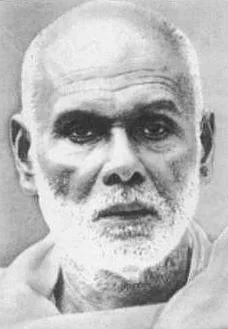
1856 to 20 September 1928 · Born at Chempazhanthy near Thiruvananthapuram, Kerala; his centre was at Sivagiri, Varkala
Life
Narayana was born into the Ezhava community of Kerala, then treated as low in caste and kept out of temples. He studied Sanskrit and Malayalam, lived as a wandering ascetic, and became a respected teacher of Advaita. After the Aruvippuram consecration he founded temples, schools and the Sree Narayana Dharma Paripalana Yogam (1903), which led a social reform movement. He wrote in Malayalam, Sanskrit and Tamil, including the Atmopadesa Satakam (One Hundred Verses of Self-Instruction). Gandhi and Tagore visited him. He died at Sivagiri in 1928.
What they saw
Narayana Guru's Advaita was strict and his use of it practical. If there is one Self in all, then caste is a mistake built on the body, and so is every wall between religions.
The Atmopadesa Satakam opens with the light that shines both inside and out, and asks the reader to bow to it with the five senses withdrawn. Its verses move from that light to the plainest ethics: what one does for one's own happiness should also be for another's.
He is one of the clearest cases of the site's position that being is equal in all, put into public life.
In their words
Oru jāti, oru matam, oru daivam manuṣyanŭ. Plain rendering: One caste, one religion, one God for humankind.
Narayana Guru, motto (1910s); Malayalam with a rendering made for notdual.org (draft)
Where this path meets the others
Narayana Guru lived out the lesson of Shankara and the outcaste. See The person and Shankara and the outcaste.
One caste: the human one.
Works
- Atmopadesa Satakam (One Hundred Verses of Self-Instruction)1897 (approximate)
- Darsana Malaearly 20th century
Further reading
- Nataraja Guru, The Word of the Guru (1952; in copyright)
- Narayana Guru, Atmopadesa Satakam, many translations
Next on your path
Sources
- Nataraja Guru (1952) and the SNDP Yogam's published biography, for the life; the birth day is variously given.
- The motto is widely cited in Malayalam; given with the site's rendering.