Ibn Sina (Avicenna)
980 to June 1037 · Born at Afshana, near Bukhara (Uzbekistan); died at Hamadan, Iran
Life
Abu Ali al-Husayn ibn Sina was born near Bukhara in 980. By eighteen he had mastered medicine. He was soon treating the Samanid ruler. He wrote some 200 works and moved from court to court across Persia as patrons rose and fell. His Canon of Medicine was taught in European universities into the 17th century. His Book of Healing (Kitab al-Shifa) is an encyclopedia of logic, the sciences and metaphysics. Known in Latin as Avicenna, he died at Hamadan in 1037.
What they saw
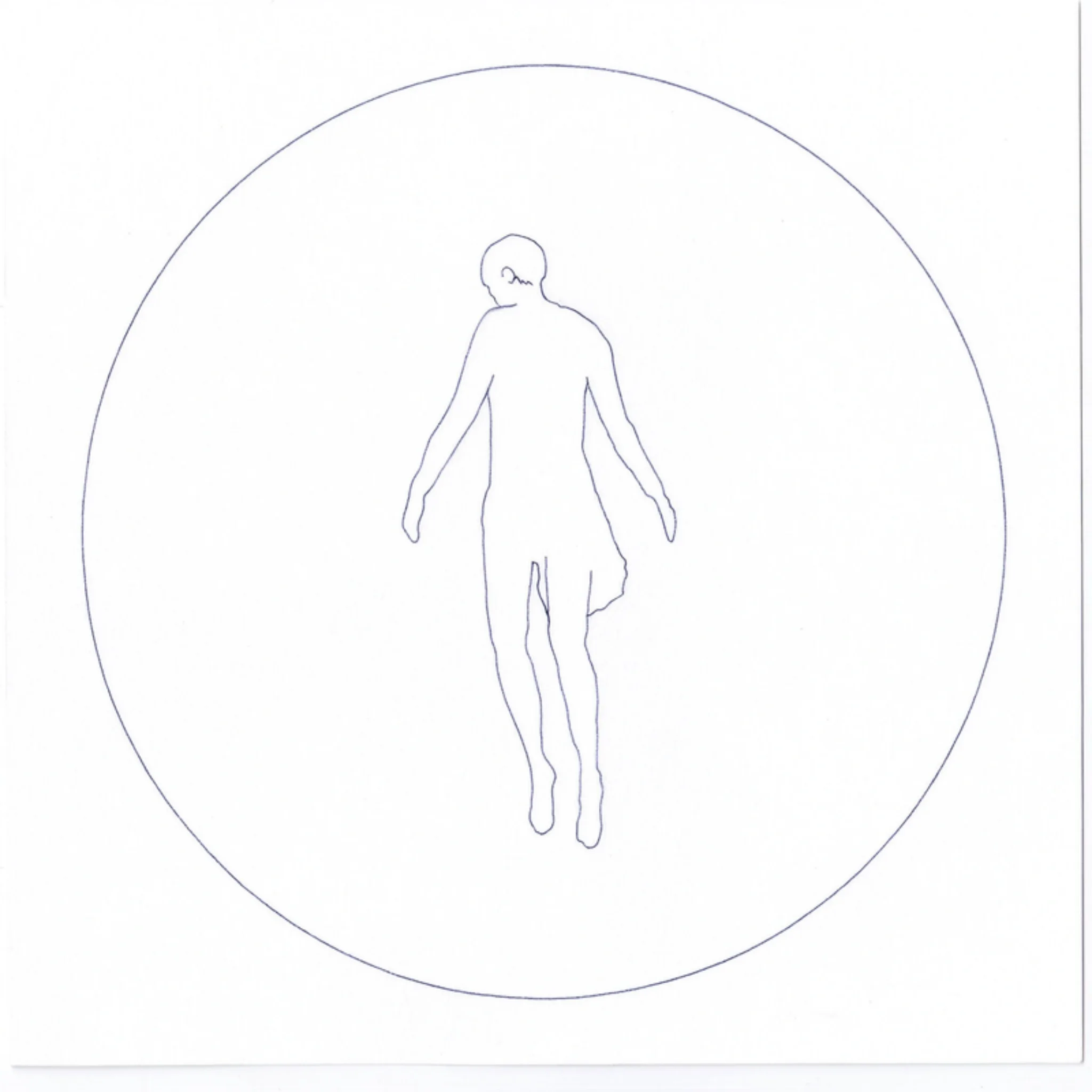
The floating man appears in his book on the soul in the Shifa. Ibn Sina's answer is yes: the floating man would affirm his own existence, though he knows nothing of a body. So that self is not the body.
He also drew a careful line between what a thing is and that it exists. Everything we meet could have not existed; only one being exists necessarily, by its own nature, and everything else exists from it.
He was a philosopher in the Greek line of Aristotle and Plotinus, and his late writings lean toward mysticism. The floating man is Advaita's witness reached by argument: the knower known without the body.
In their words
In paraphrase: a man created whole, floating in air, touching nothing, would still affirm that he exists, though he could not affirm that he has a body.
After Ibn Sina, Kitab al-Shifa, On the Soul, 1.1; paraphrase, not a quotation.
Where this path meets the others
The floating man meets the Mandukya's deep sleep and Descartes's later “I think”. See The witness and The body.
No body to feel, and still: I am.
Works
- The Canon of Medicine (al-Qanun fi al-Tibb)completed c. 1025
- The Book of Healing (Kitab al-Shifa)c. 1020 to 1027
Further reading
- Avicenna's De Anima, ed. F. Rahman (1959)
- Lenn E. Goodman, Avicenna (1992; in copyright)
Next on your path
Sources
- Goodman, Avicenna (1992), for the life, paraphrased.
- The floating man: Shifa, On the Soul (Kitab al-Nafs), 1.1 and 5.7, paraphrased.