David Loy
Born 1947 · Born in the Panama Canal Zone; taught in Singapore, Japan and the United States
Life
David Loy was born in 1947. He studied philosophy and trained in the Sanbo Kyodan Zen tradition, becoming a qualified teacher. He taught for many years at universities in Singapore and Japan, and later held a chair in ethics and religion at Xavier University in Ohio. His books include Nonduality: A Study in Comparative Philosophy (1988), Lack and Transcendence (1996) and books on Buddhism and ecology.
What they saw
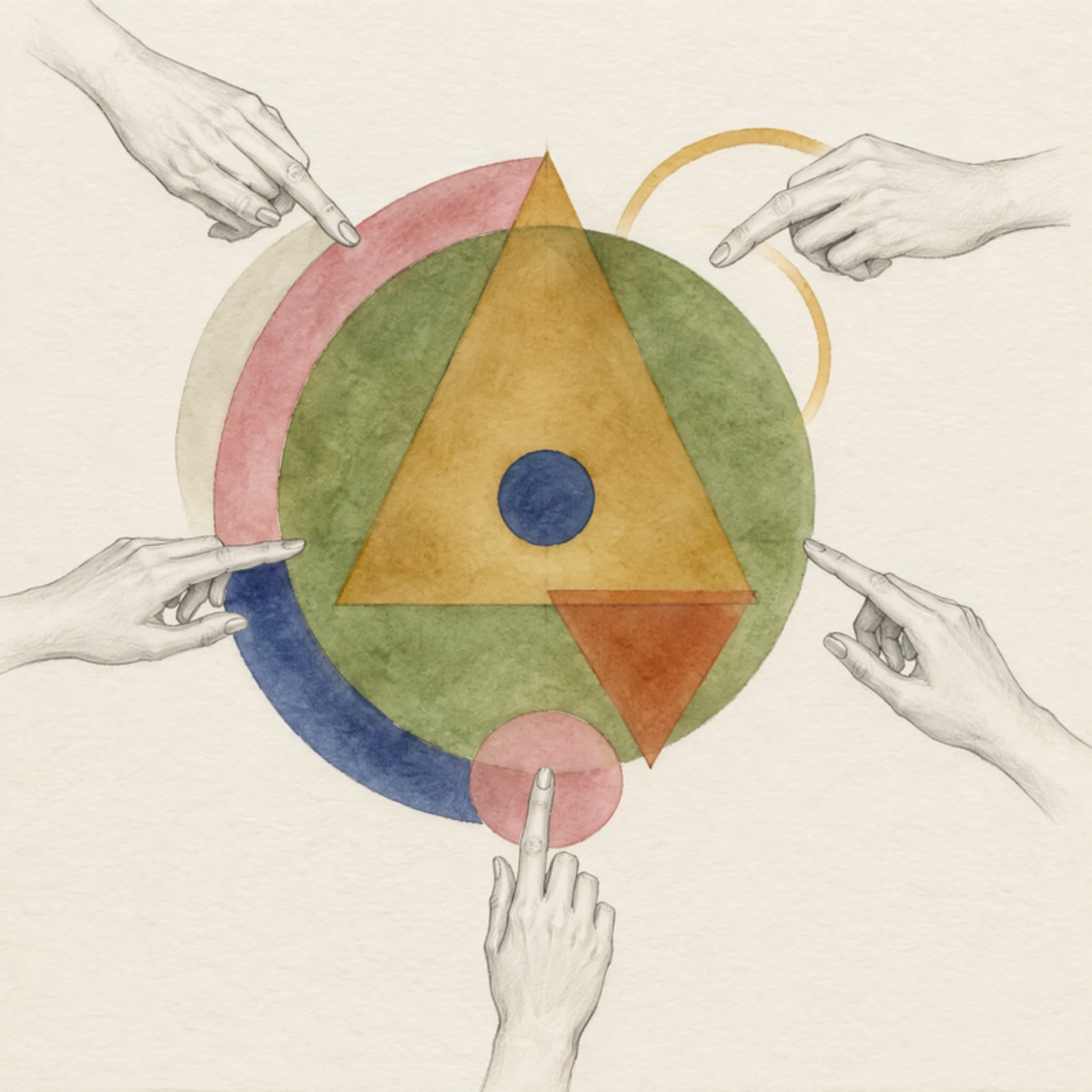
Nonduality, his first book, compares Advaita, Buddhism and Taoism. What does each mean by the word? He distinguishes several senses: the negation of dualistic thinking; the nonplurality of the world, that it is not made of separate things; and the nondifference of subject and object, the seer and the seen. Traditions stress different senses, which is why they can seem to agree when they don't, or disagree when they don't.
In later work he argued that the sense of a separate self is driven by a feeling of lack, and that much of personal and social life, money, fame, nation, is an attempt to fill it.
His distinctions are useful for any reader of this site.
In their words
In paraphrase: “nonduality” covers different claims, about thinking, about the world and about the seer and the seen; compare the traditions sense by sense.
After David Loy, Nonduality: A Study in Comparative Philosophy (1988; in copyright); paraphrase.
Where this path meets the others
Loy's senses of nonduality help read every Meeting on this site. See What every path points to and Not two.
Ask which “one” is meant.
Works
- Nonduality: A Study in Comparative Philosophy1988
- Lack and Transcendence1996
Further reading
- David Loy, Nonduality: A Study in Comparative Philosophy (1988; in copyright)
- David Loy, Lack and Transcendence (1996; in copyright)
Next on your path
Sources
- Publishers' notes and his own published biography, for career details; check before publishing.
- His books are in copyright and paraphrased only.