“You are that”
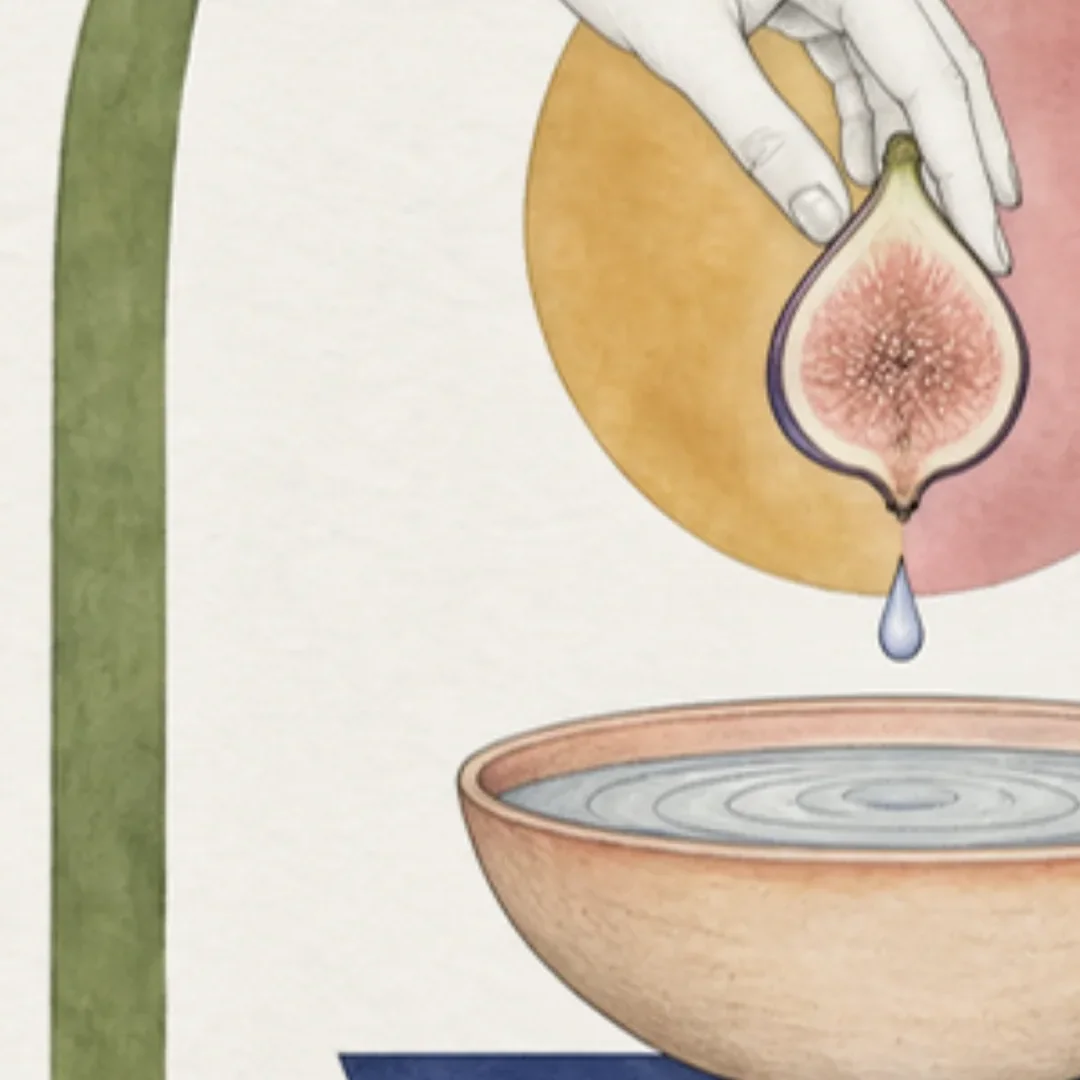
Svetaketu comes home at twenty-four, after twelve years of study. He is proud of how much he knows.
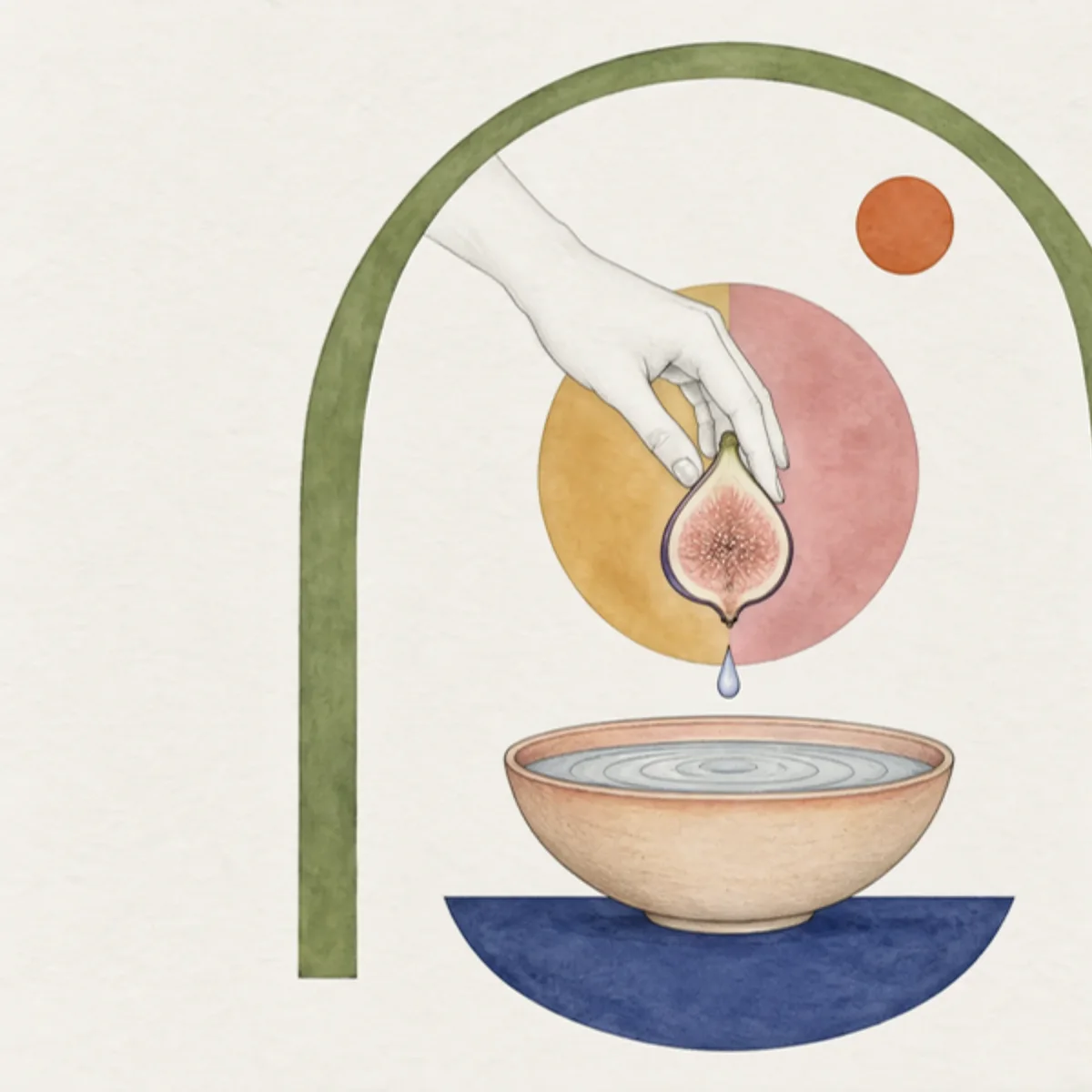
His father, Uddalaka, asks: “Did you learn the teaching by which the unheard becomes heard, and the unknown known?”
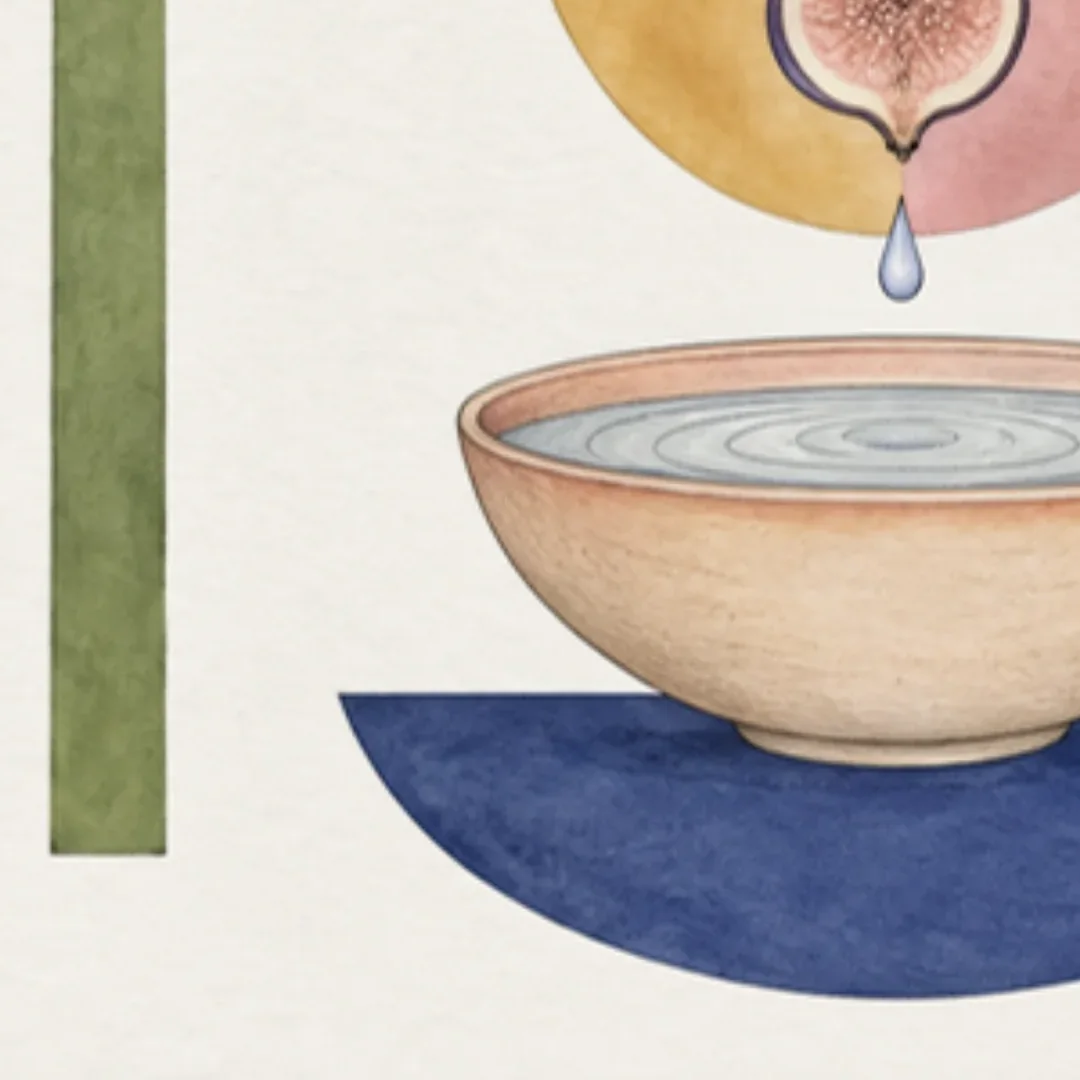
“What teaching is that?” says Svetaketu. His teachers never gave it.
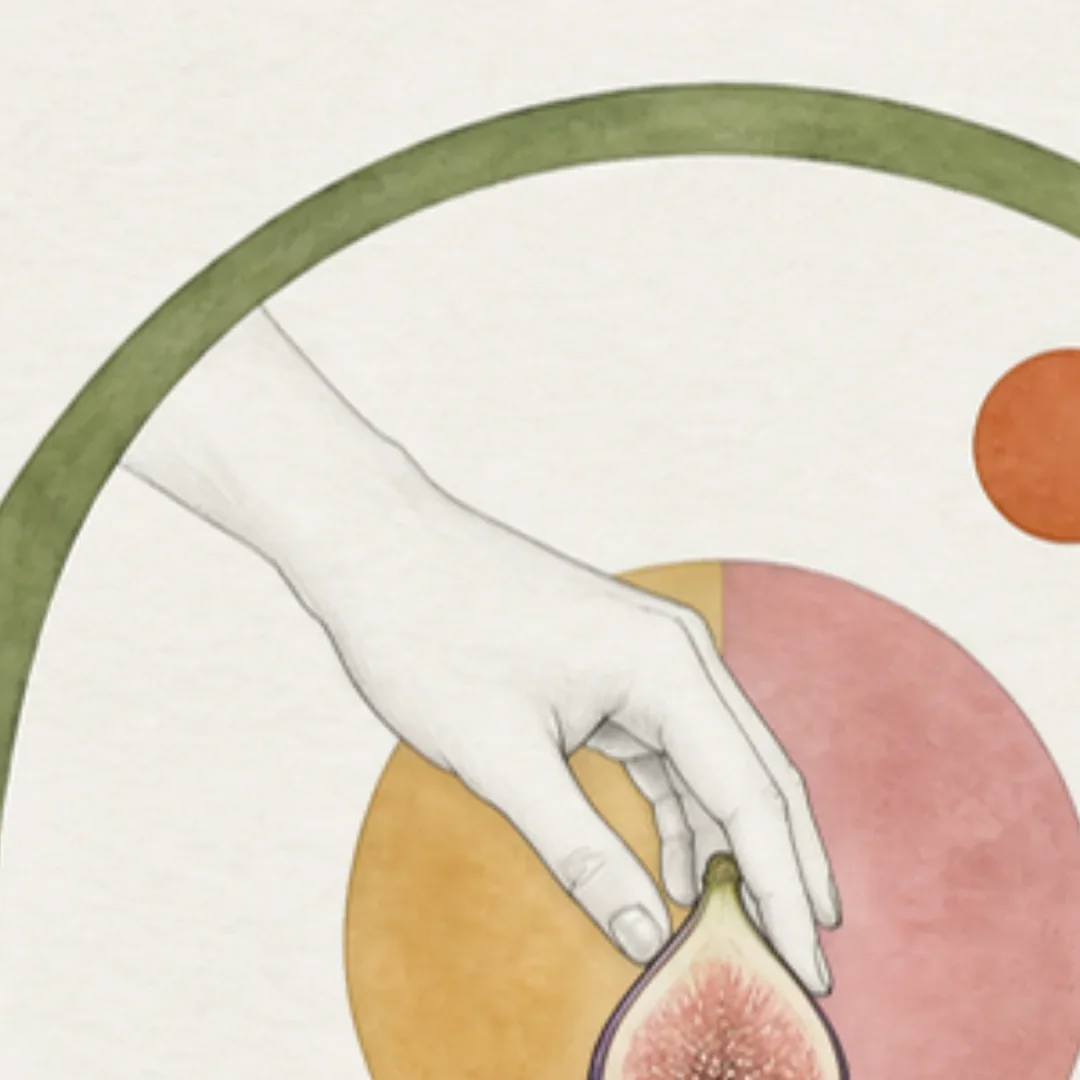
“My dear,” says the father, “by one lump of clay all that is made of clay is known. The pots differ only in name. The truth is: it is all clay.”
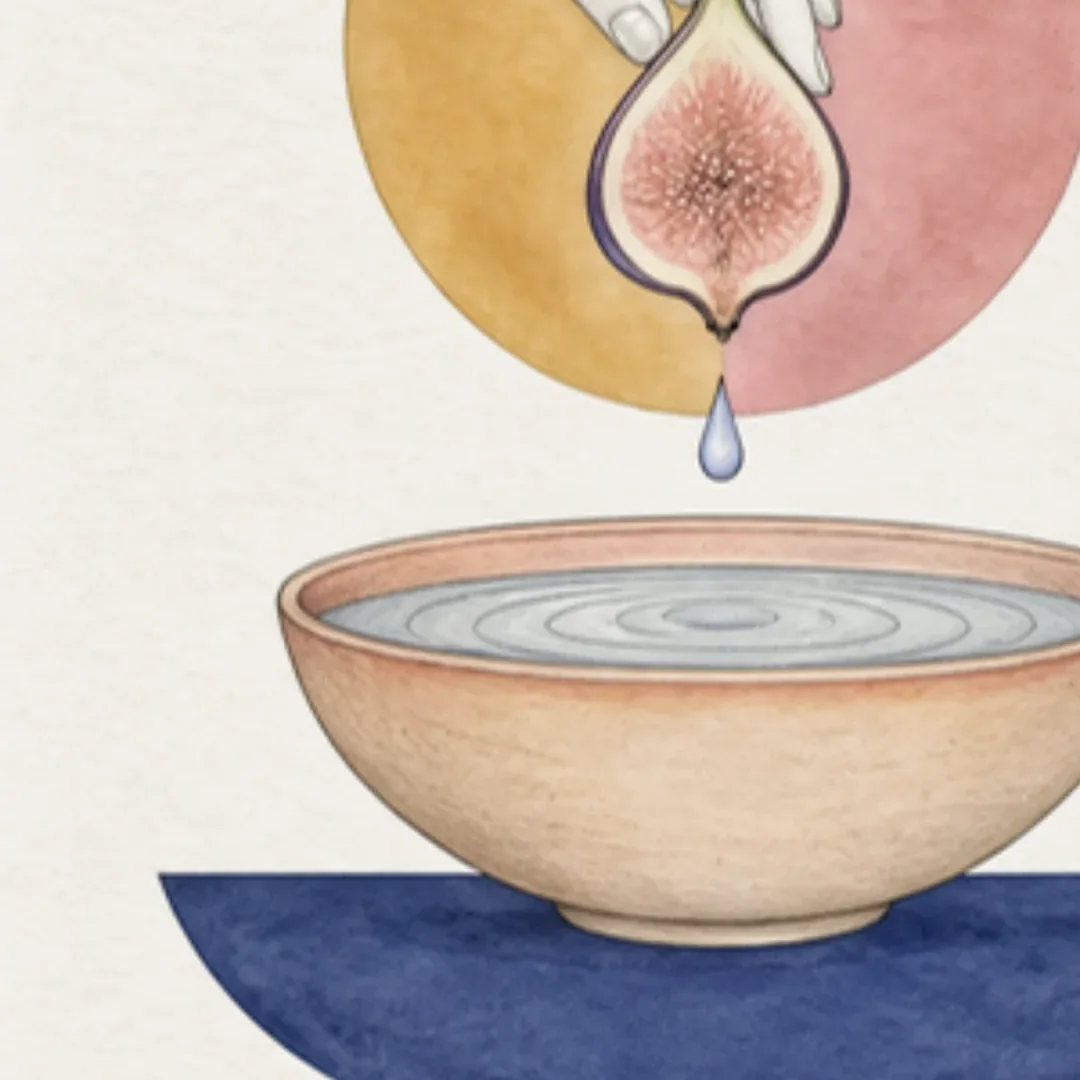
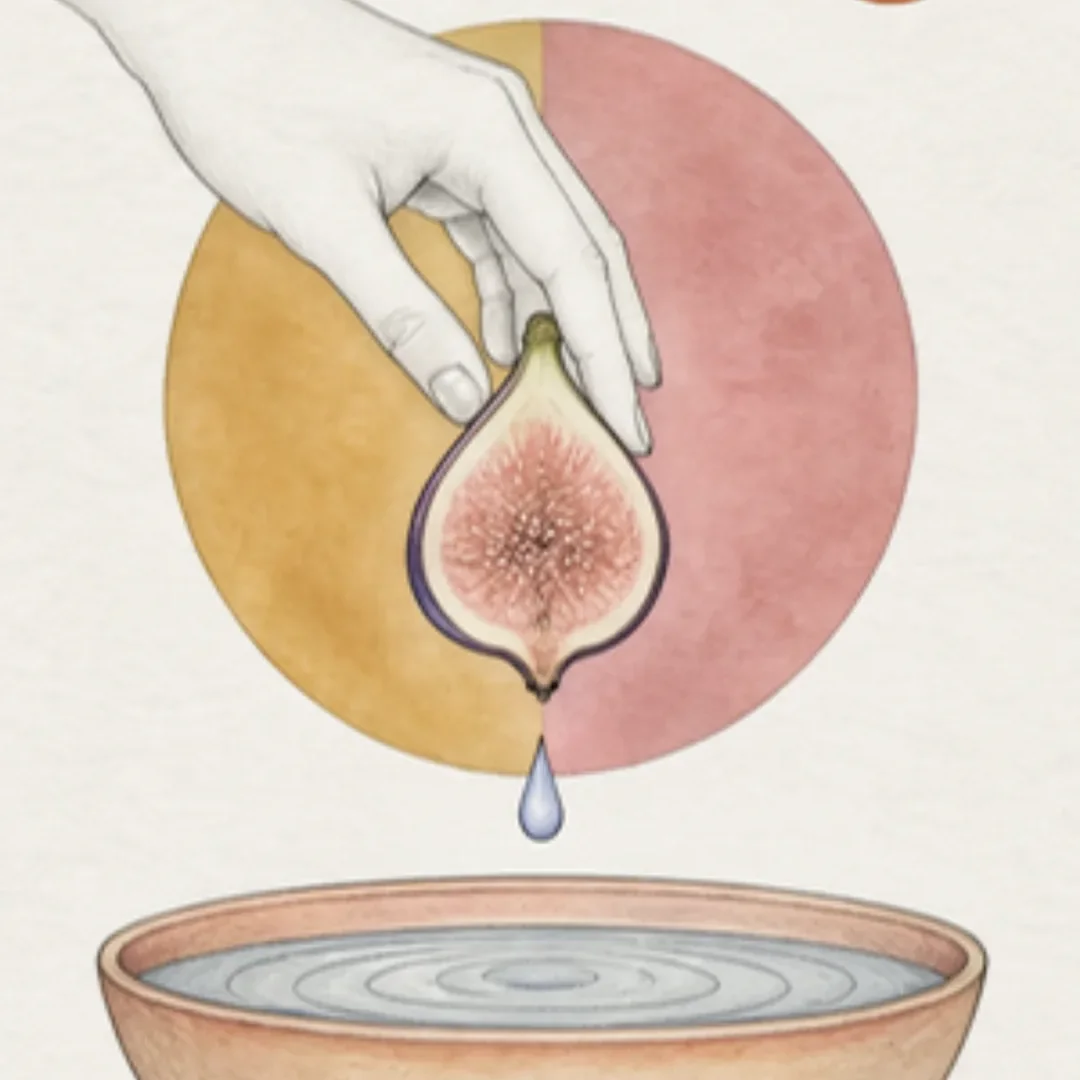
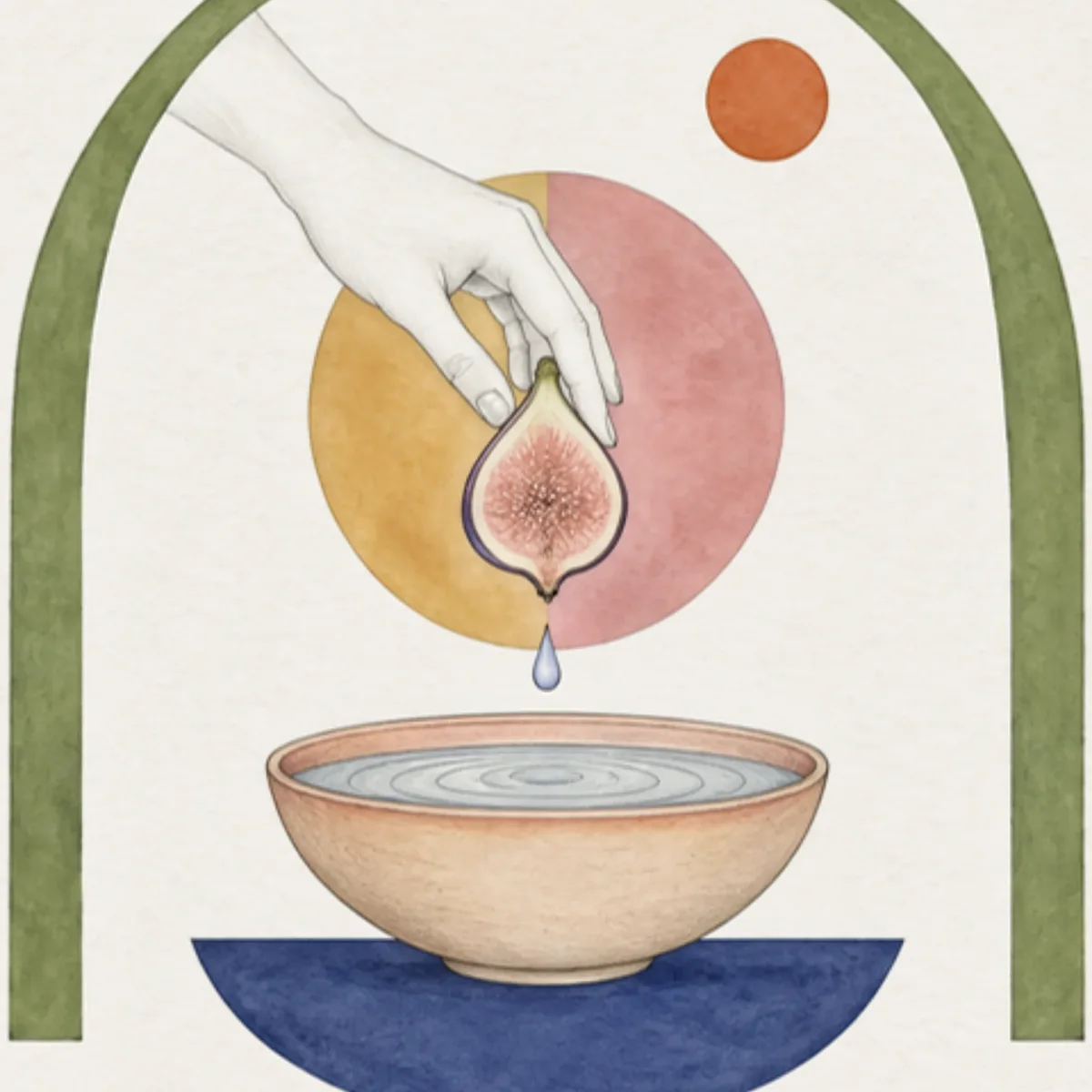
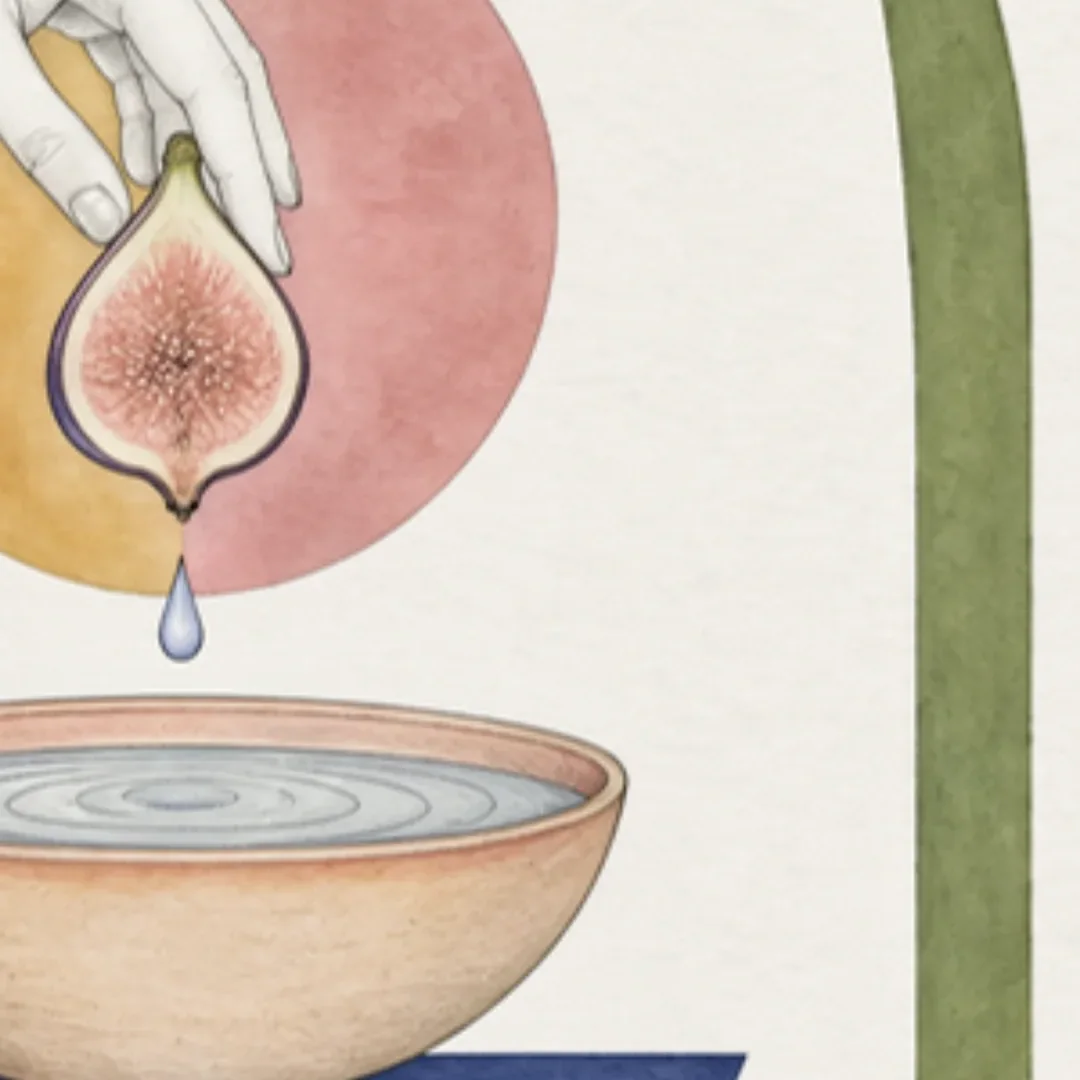
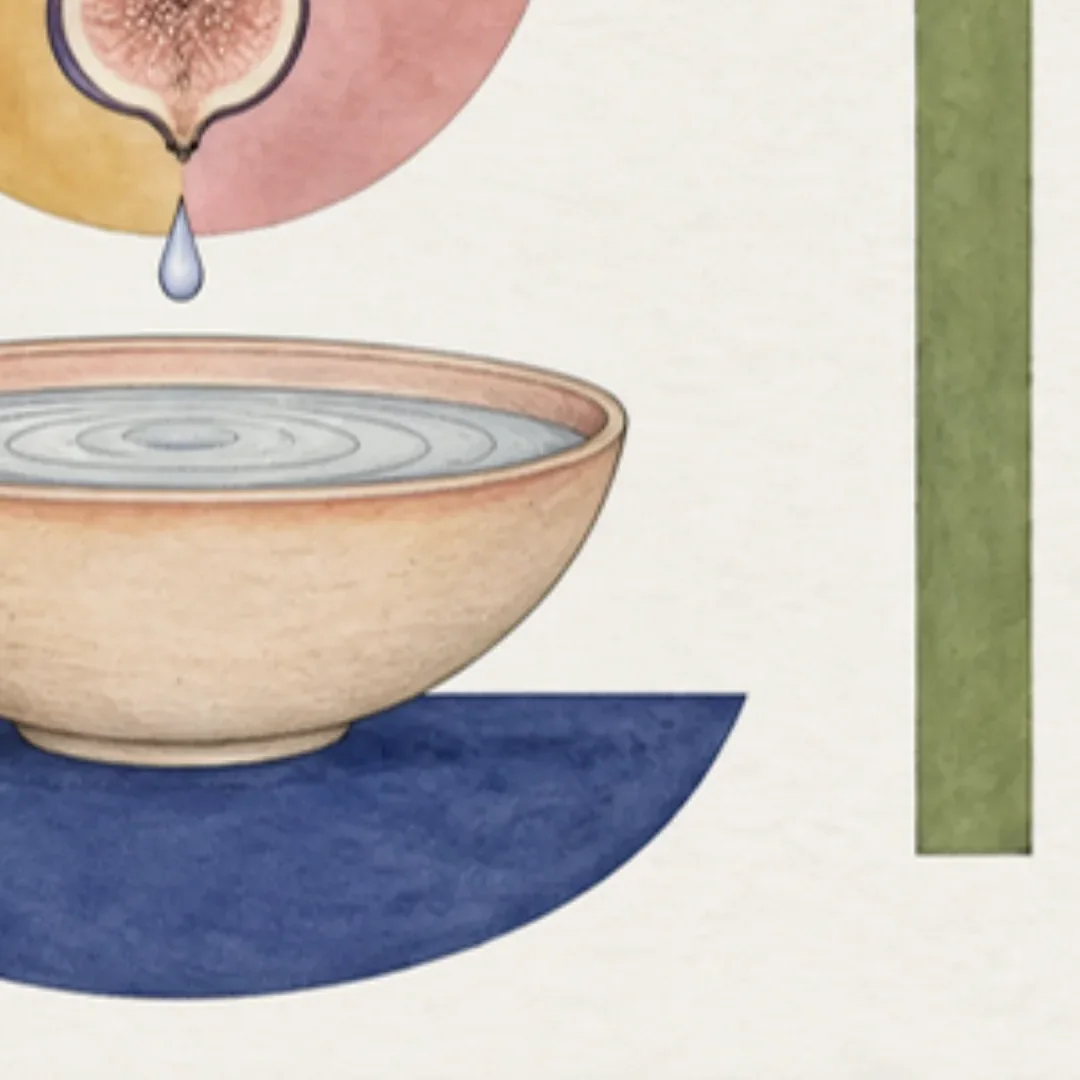
Then he asks for a fig from the great banyan tree. “Break it. What do you see?” “Tiny seeds.” “Break one. What do you see?” “Nothing at all.”
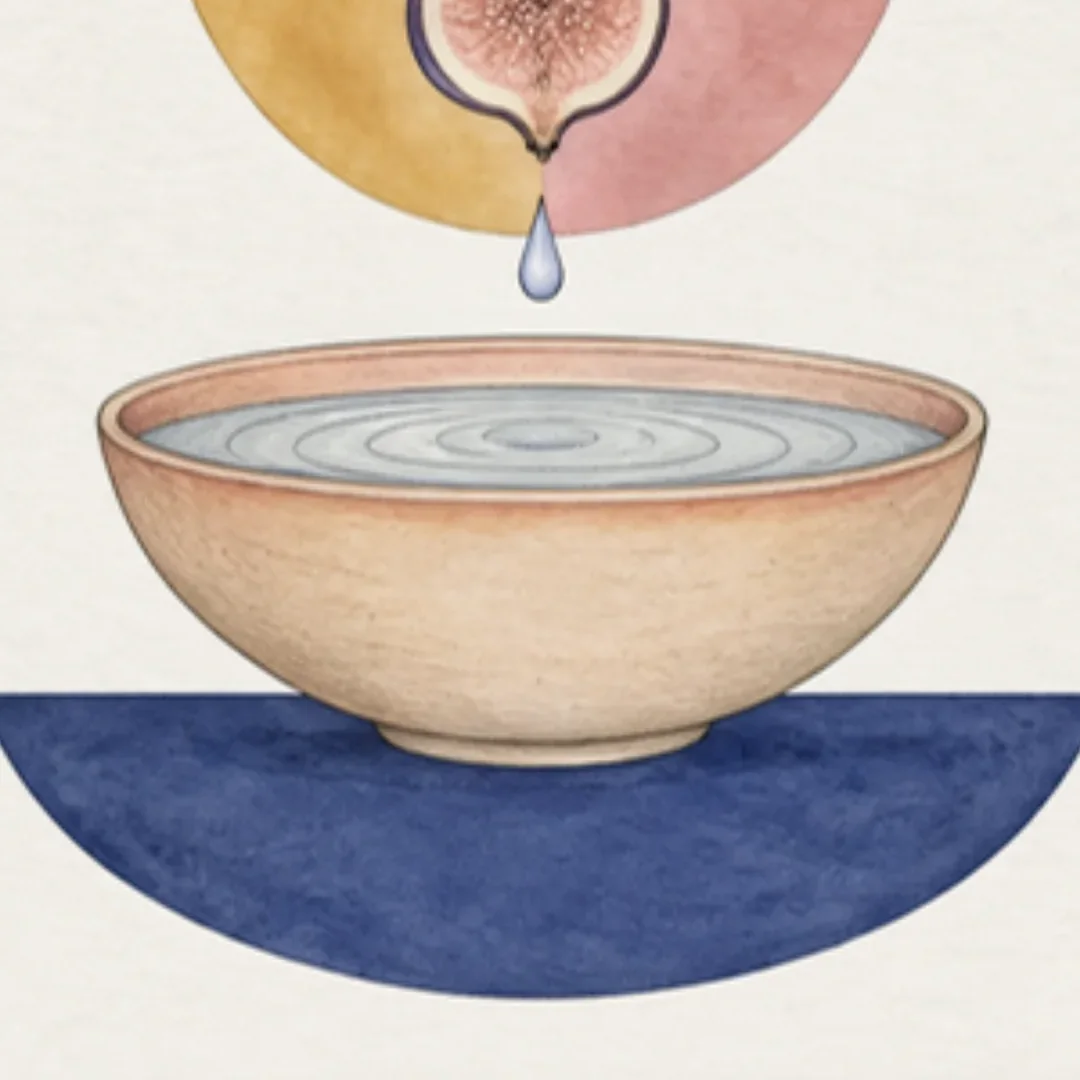
“From that nothing you cannot see, this great tree has grown. That fine essence is the Self of all this. You are that, Svetaketu.”
Next, the father gives him salt. “Put it in water, and come back in the morning.”
In the morning: “Bring me the salt.” The son looks, and cannot find it.
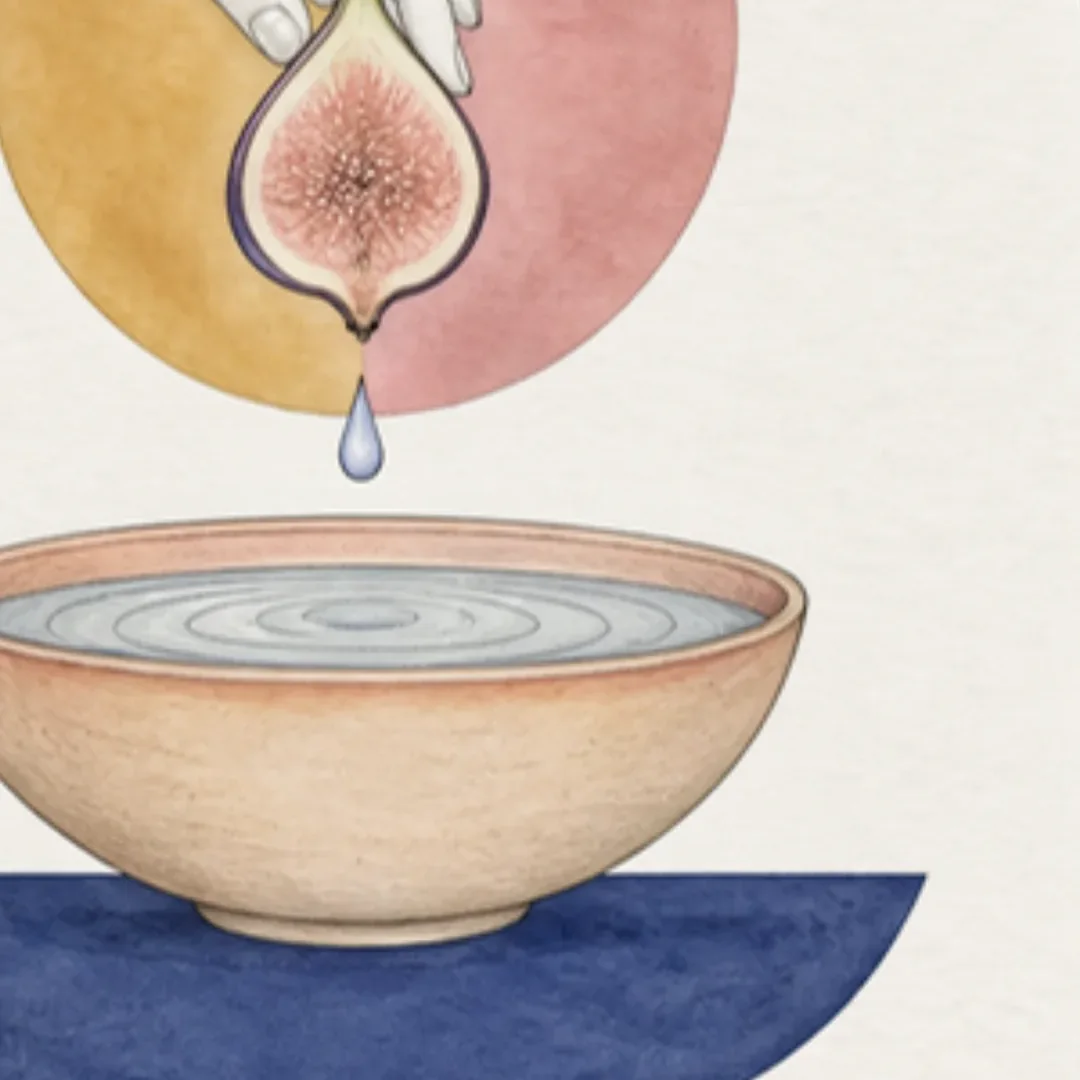
“Taste from the top. From the middle. From the bottom.” “It is salt.” “You do not see it, but it is here. You are that.”
Again and again the father shows him, nine times in all, and each time ends the same way.
Svetaketu understands. What he is was never something he could learn. It is what knows.
“It is the True. It is the Self, and thou, O Svetaketu, art it.”
Chandogya Upanishad 6.13.3, tr. Max Müller (1879)
Read the full text