Nachiketa and Death
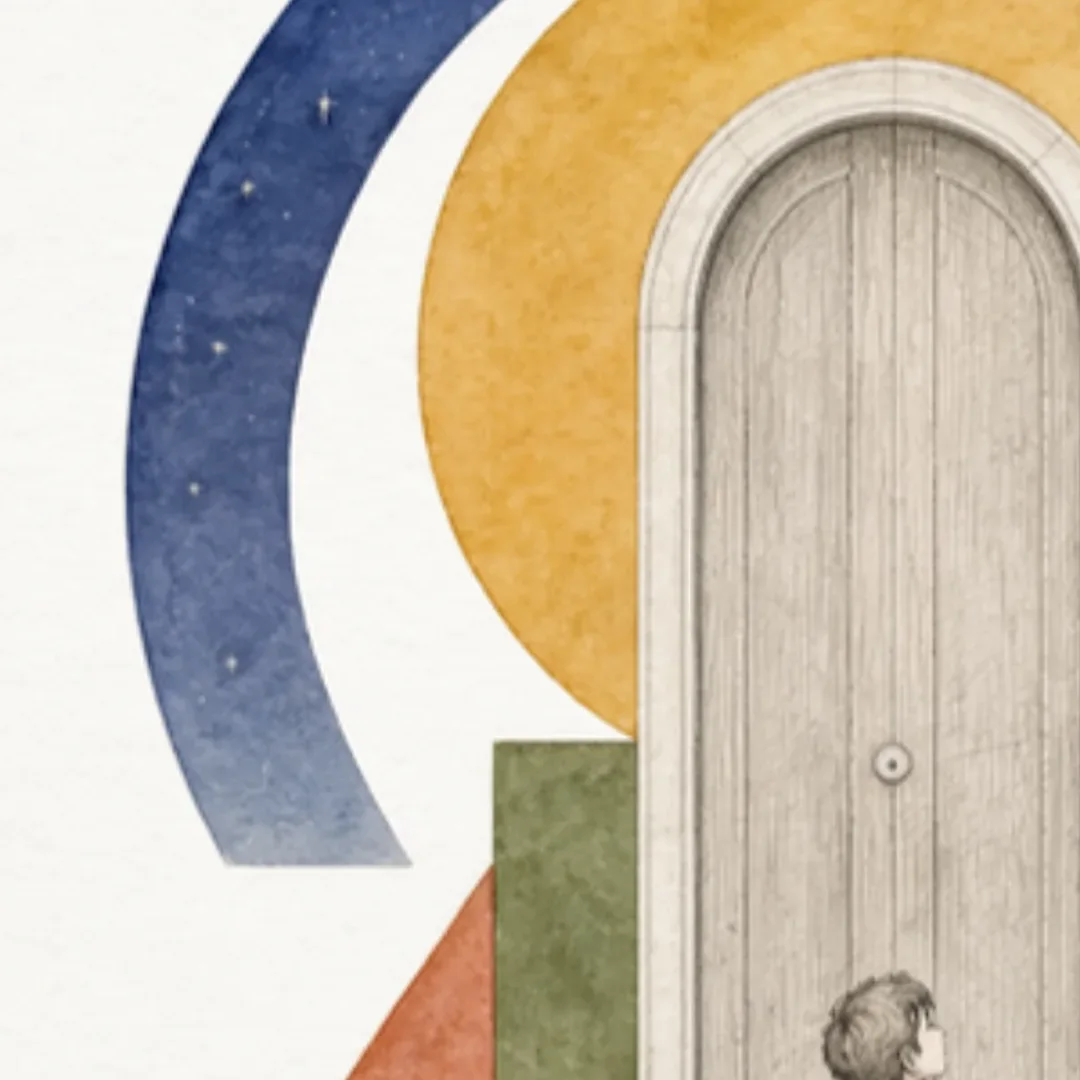
A father is giving away everything he owns, to win merit. But the cows he gives are old and dry, past giving milk.
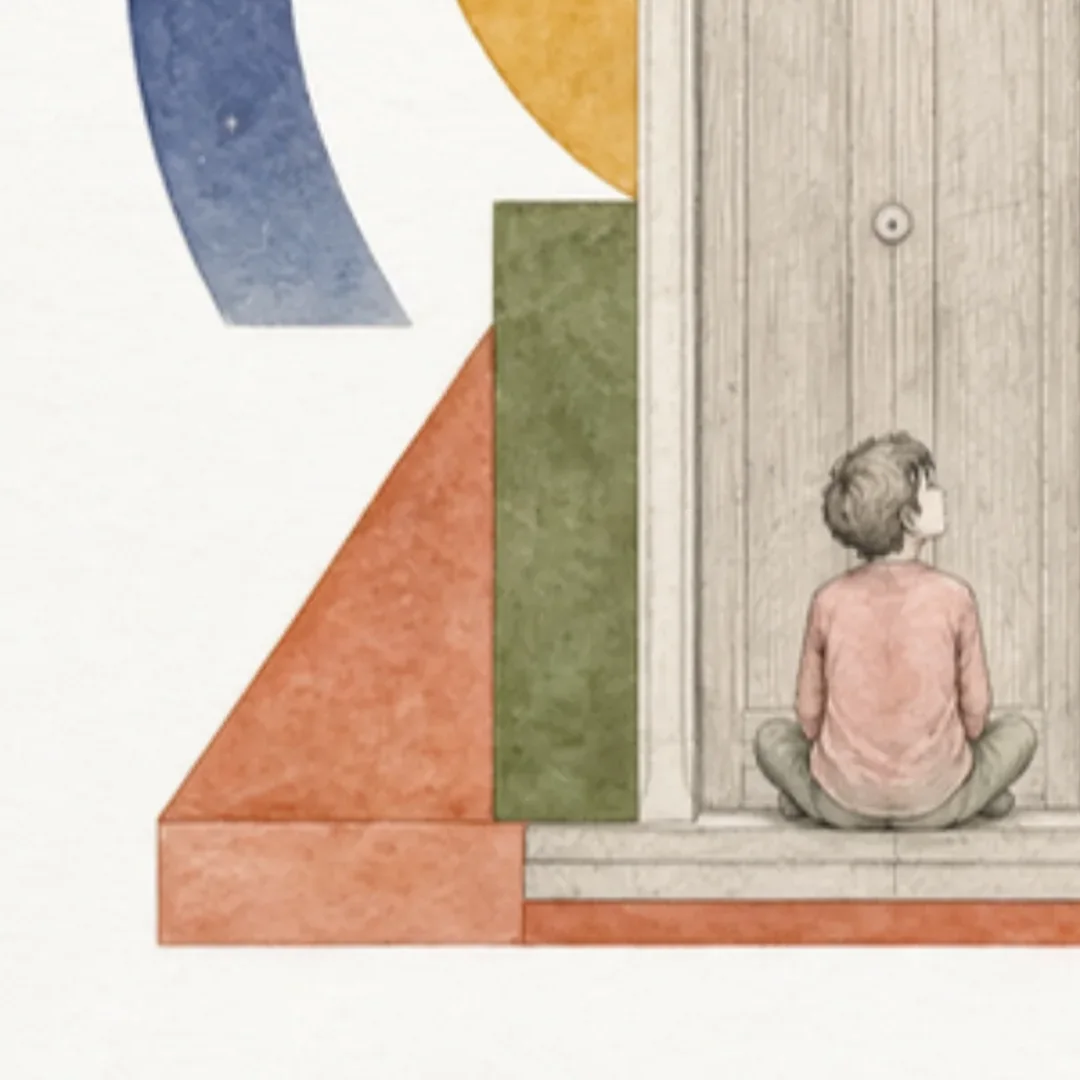
His young son, Nachiketa, watches and is troubled. “And to whom will you give me?” he asks. He asks again, and a third time.
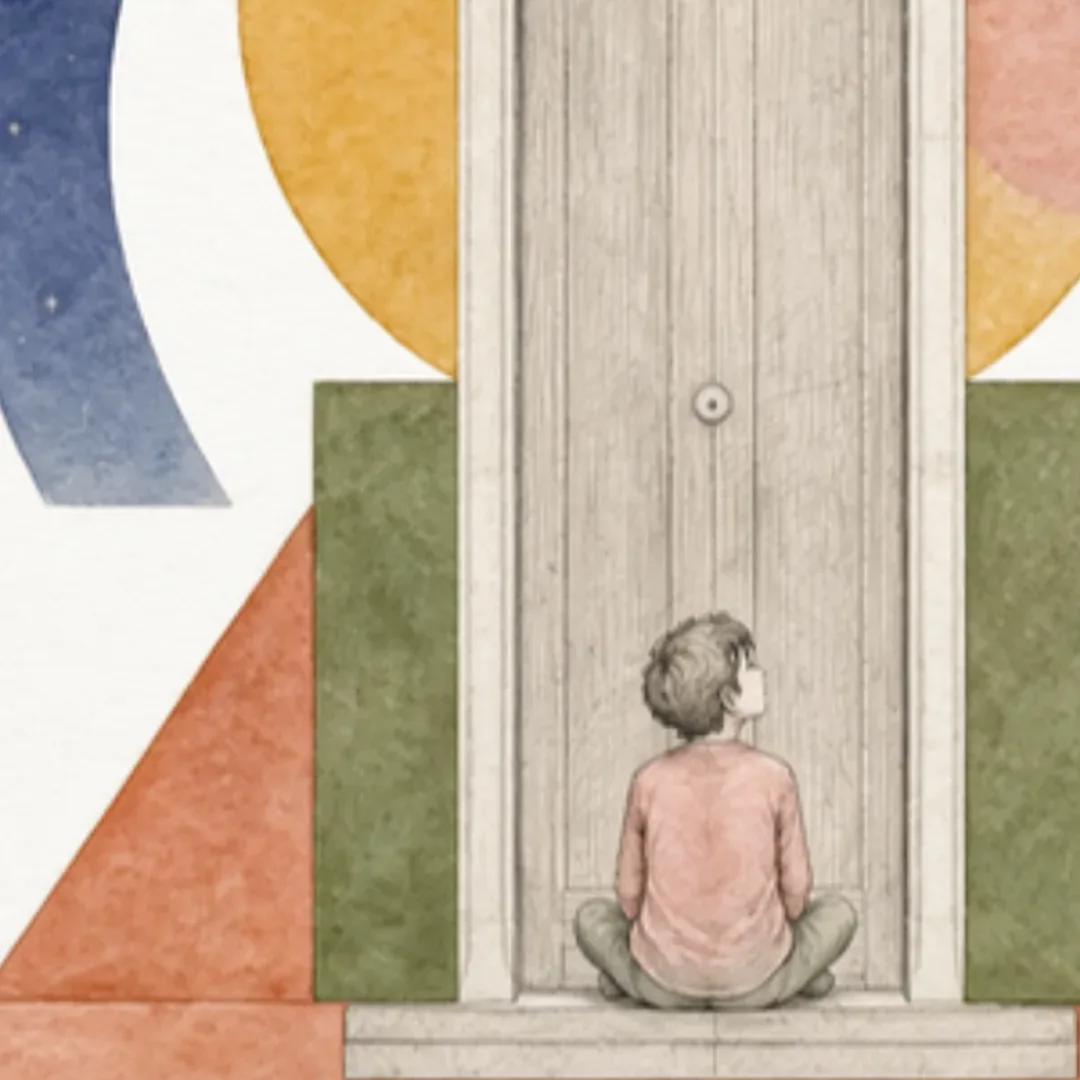
Angry, the father snaps: “I give you to Death!”
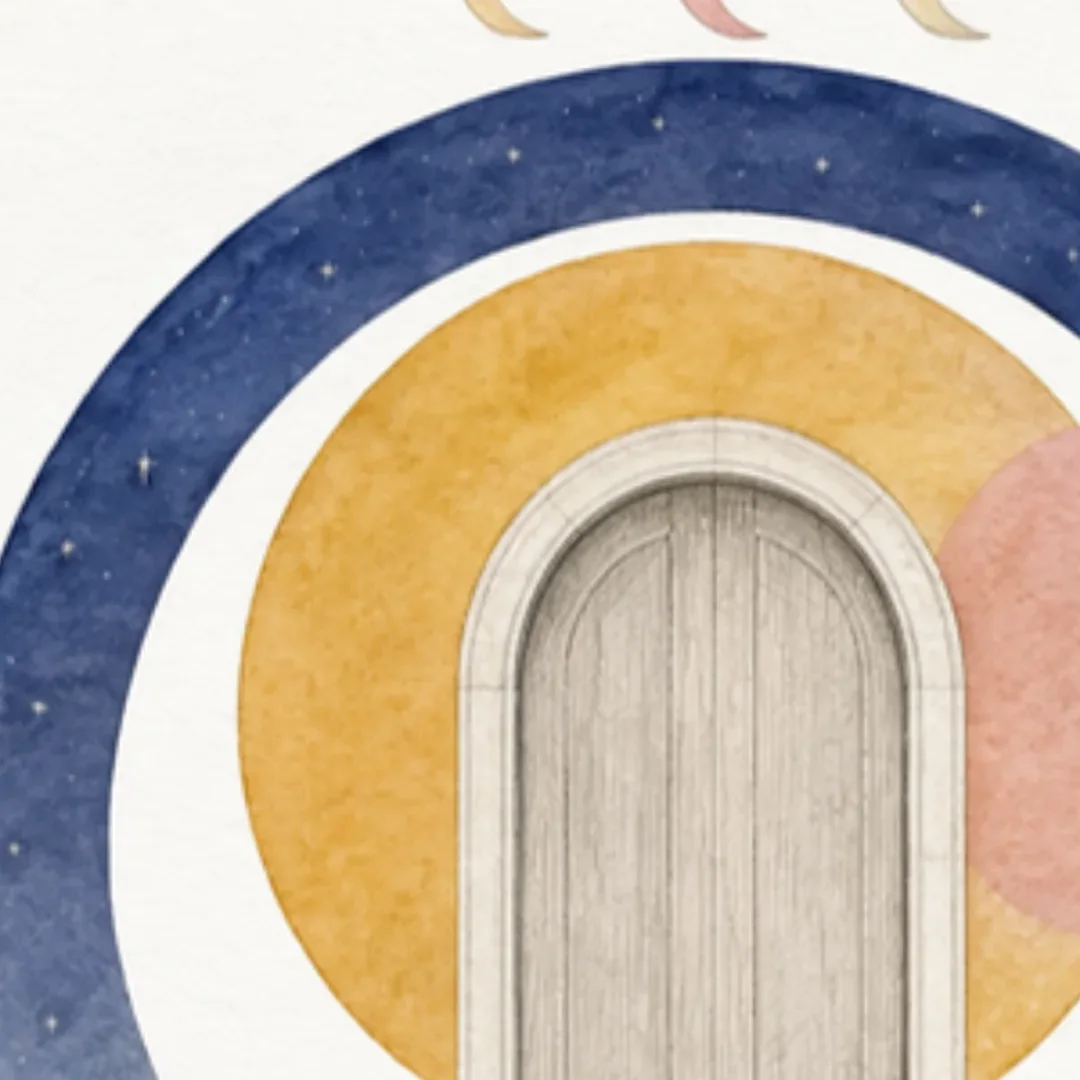
So the boy goes to the house of Death. Death is away. Nachiketa waits at the door for three days and nights, without food.
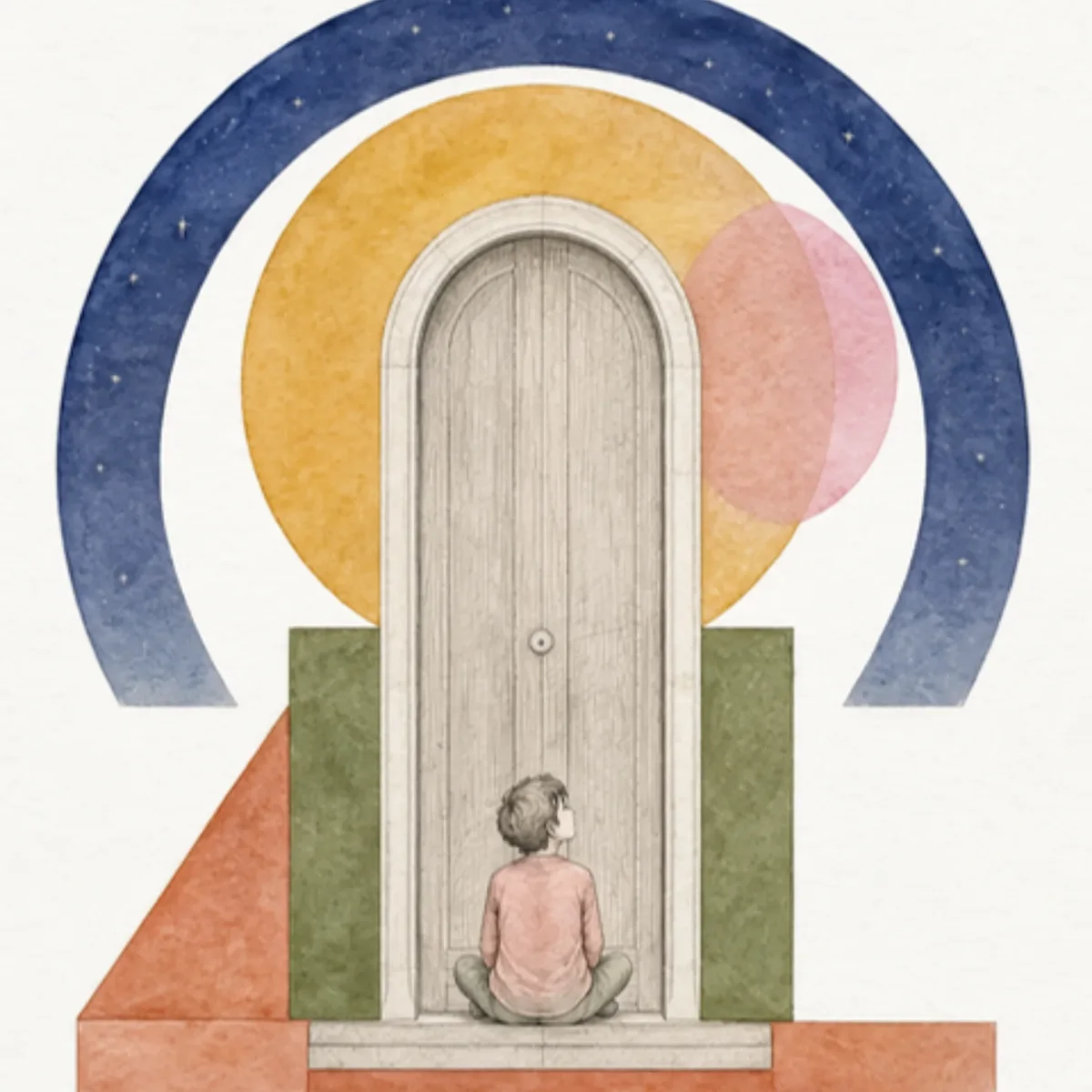
Death returns and is ashamed to have left a guest waiting. “Choose three wishes,” he says, “one for each night.”
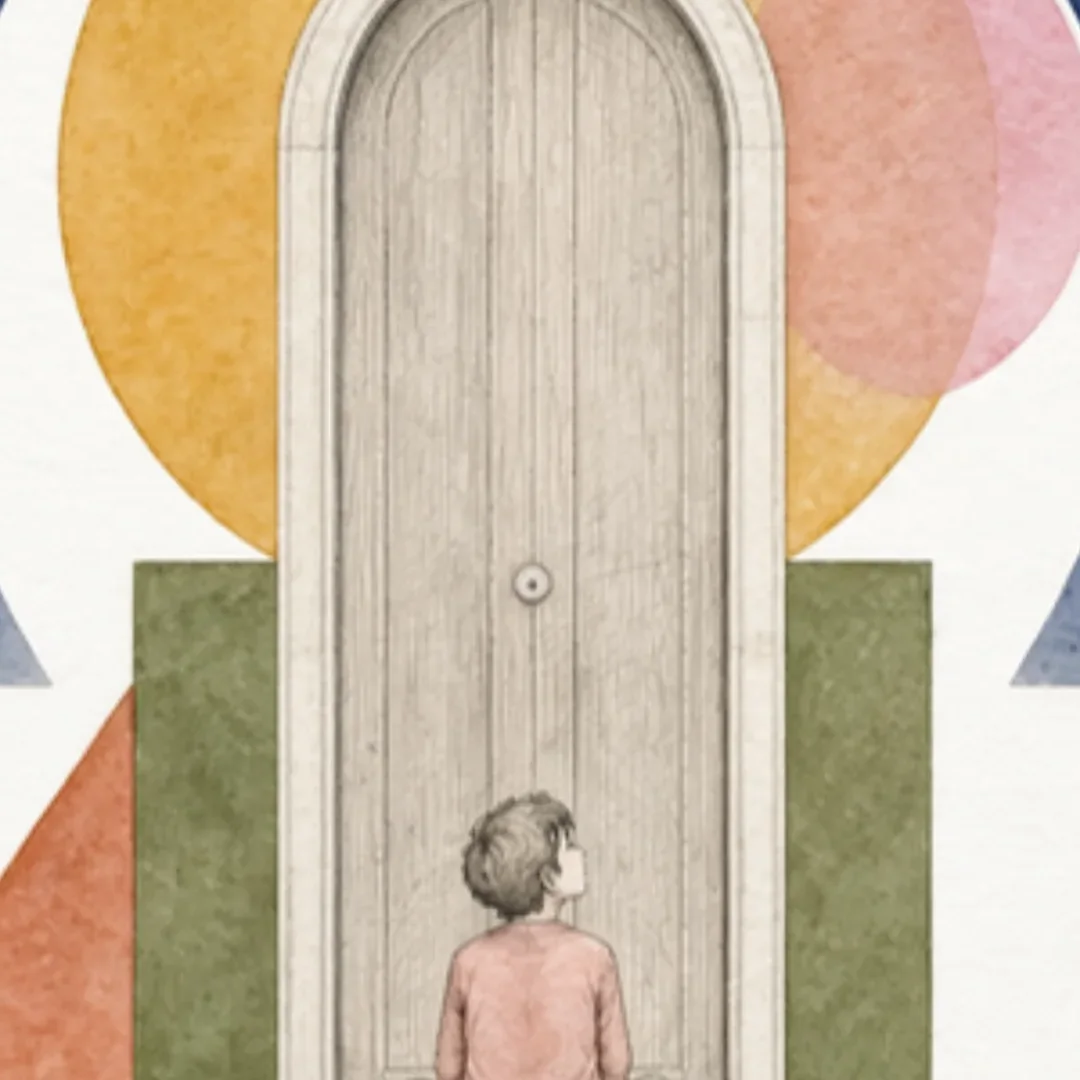
First, Nachiketa asks that his father be calm and welcome him home. Second, he asks to learn the fire ritual. Death grants both gladly.
Third, he asks: “When a man dies, some say he is, some say he is not. Teach me which is true.”
Death tries to put him off. “Even the gods have doubted this. Ask for something else: long life, sons, gold, kingdoms, music, beautiful company.”
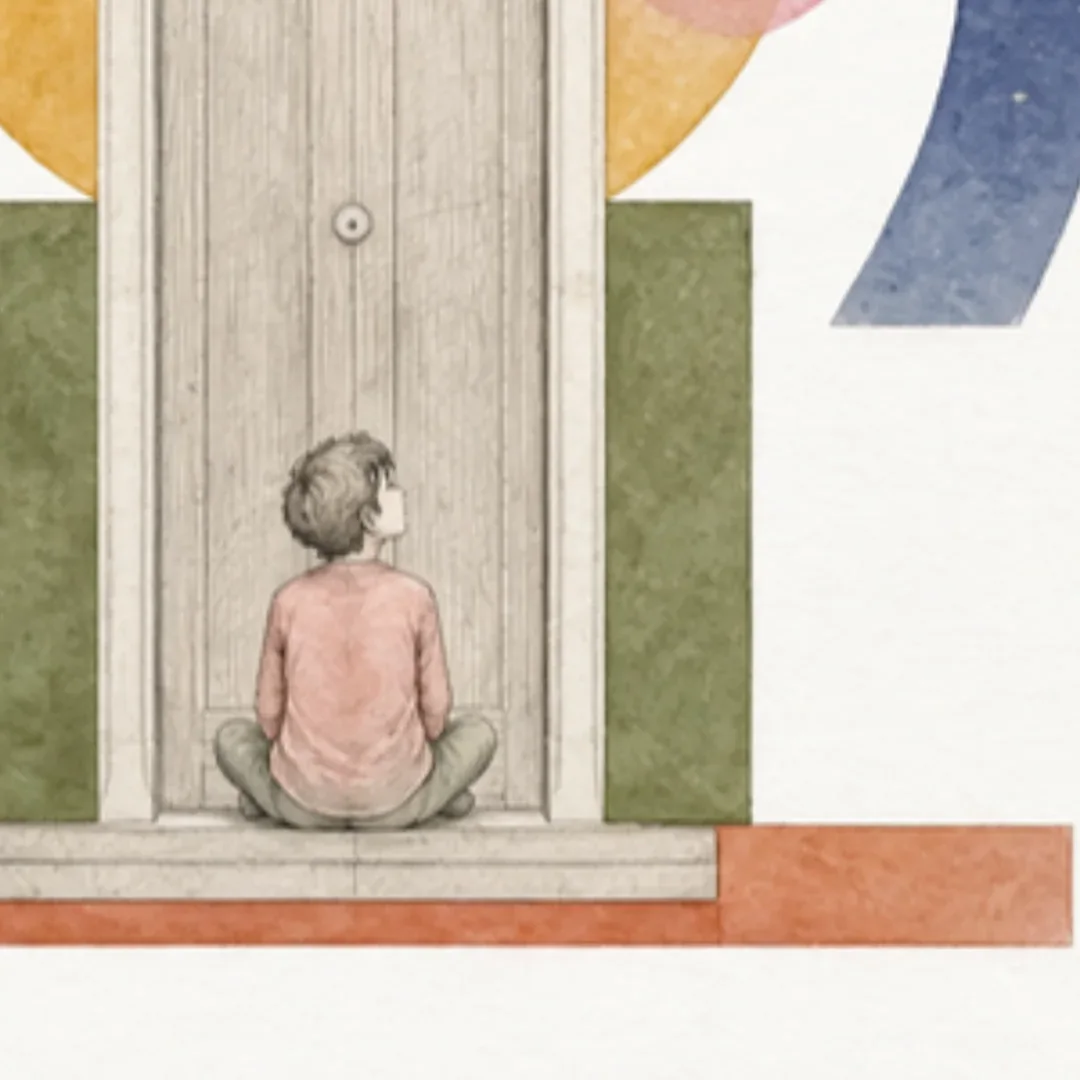
Nachiketa says: “All these last until tomorrow, and wear the senses out. Keep your horses and your songs. I want only the answer.”
Death is pleased. There are two roads, he says: the pleasant and the good. Most people take the pleasant. You chose the good.
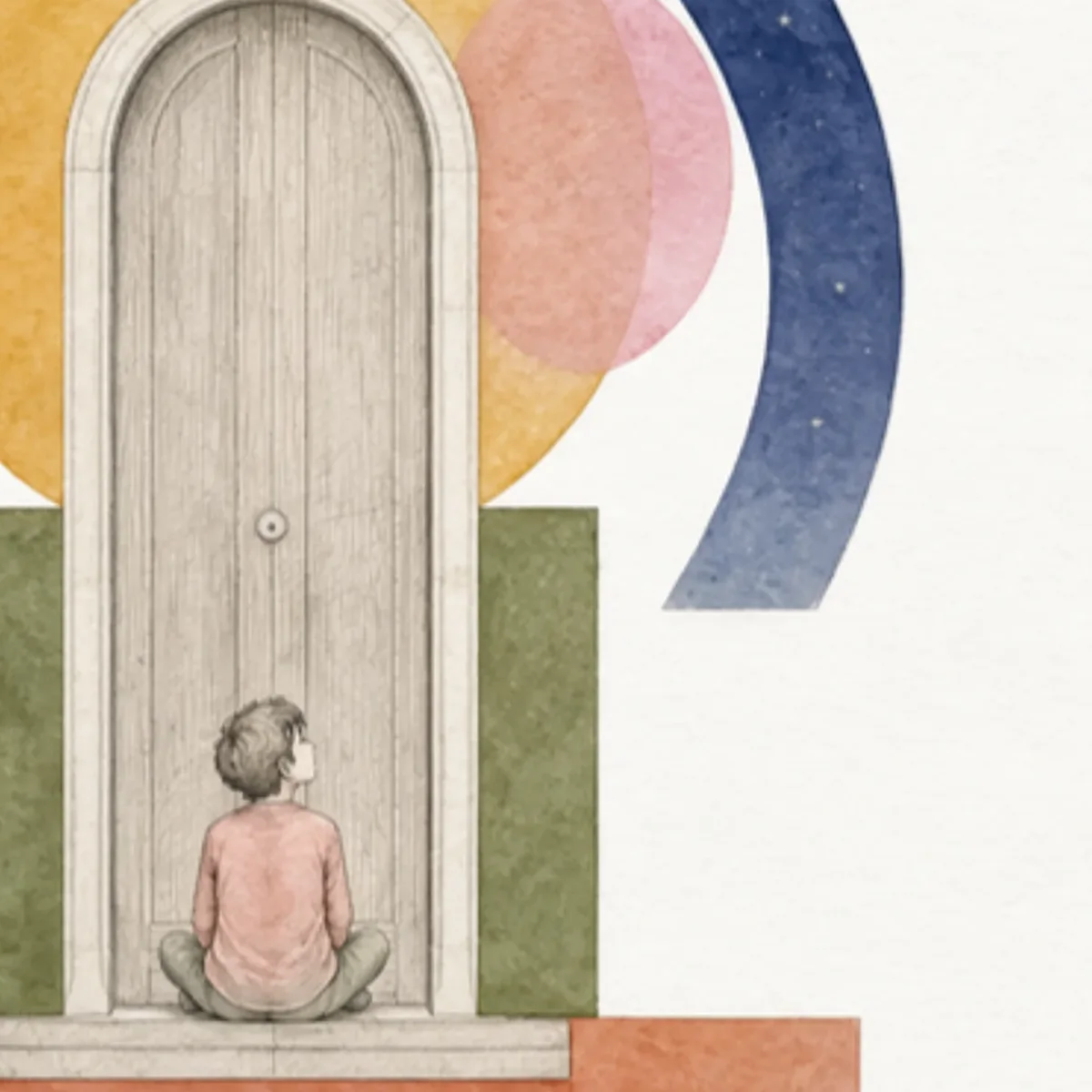
Then he teaches him. The Self is not the body. It was not born and does not die. It is hidden in every being, and it is what you are.
Nachiketa returns home with the one thing Death could not take from him: knowing who he is.
“The knowing (Self) is not born, it dies not; it sprang from nothing, nothing sprang from it.”
Katha Upanishad 1.2.18, tr. Max Müller (1884)
Read the full text